
How To Store Hard Boiled Eggs In The Refrigerator

Okay, so you've conquered the hard-boiled egg. Congratulations! Seriously, it's a bigger feat than it sounds. I mean, getting that perfect, creamy yolk without the dreaded green ring? Chef's kiss! But now what? You're staring at a pile of these little protein bombs, and the question nagging at the back of your mind is: "How do I keep these guys from turning into rubbery, eggy grenades in my fridge?"
Don't worry, we've all been there. Think of your fridge as a bustling city for food. You gotta have a good zoning plan, or things are gonna get... well, smelly and weird. Storing hard-boiled eggs correctly is like having a good parking spot in that chaotic city – essential for peace of mind.
The Shell Game: To Peel or Not To Peel?
This is the million-dollar question, isn't it? The general consensus is: leaving the shell on is your best bet. Think of the shell as a tiny, natural fortress protecting the egg from the elements (aka, the dry, circulating air of your fridge, which sucks the moisture right out). Peeled eggs are basically naked and vulnerable.
Must Read
Imagine walking around your house without any clothes on. You'd dry out pretty quick, right? It's the same principle! A peeled egg is just begging to become a hard, sad, little hockey puck.
That said, life happens. Maybe you peeled them all already (we've all been overzealous!). If that's the case, fear not! We have a strategy for that too.
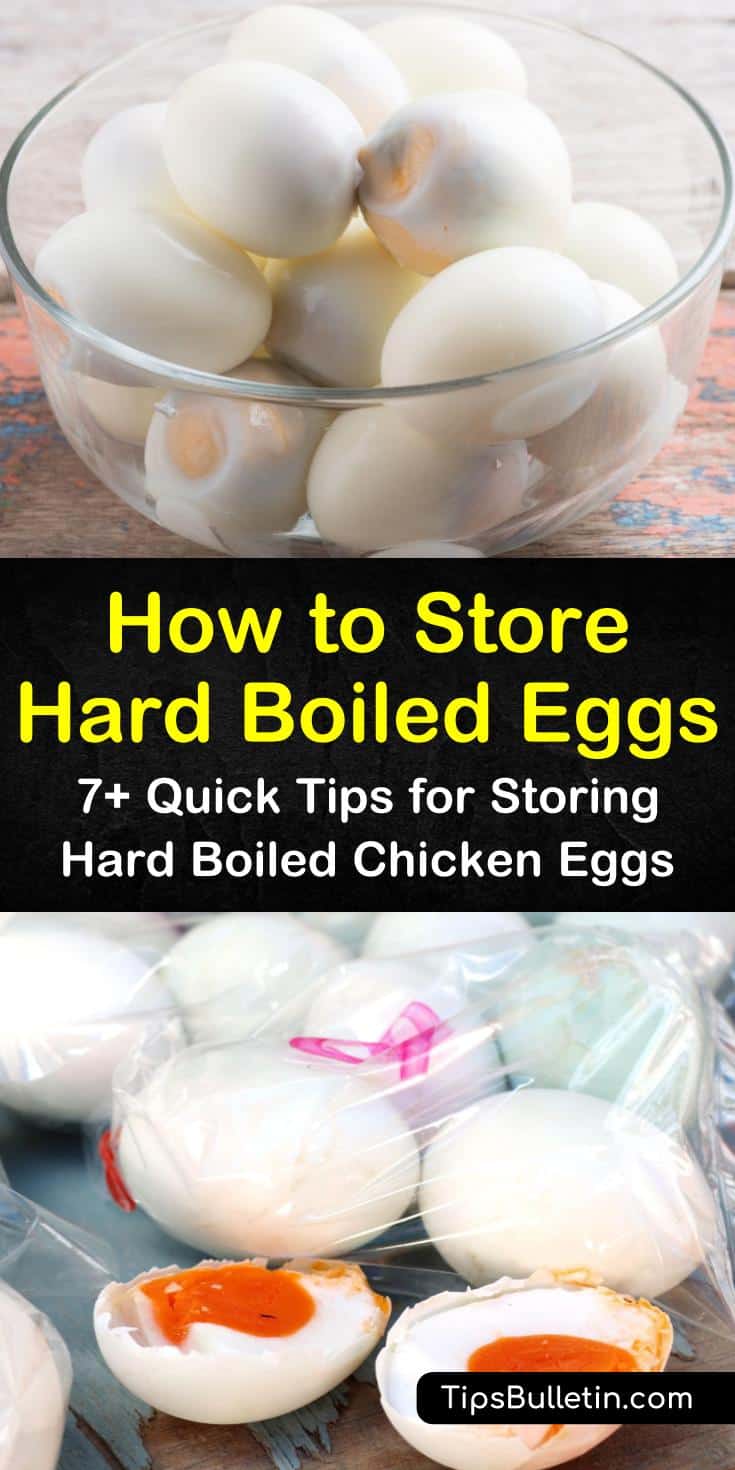
Shell-Shocked: Storing Unpeeled Eggs
Alright, you're keeping the shell on. Smart move! Now, here's how to maximize their freshness:
- Cool 'em down: Don't chuck hot eggs straight into the fridge. Let them cool completely first. This prevents condensation from forming inside the container, which can lead to bacterial growth (yuck!).
- Containerize: Place the cooled, unpeeled eggs in an airtight container or a resealable plastic bag. This is your primary line of defense against the fridge's drying forces.
- Moisture is your friend (sort of): You can lightly dampen a paper towel and place it in the container with the eggs. This helps maintain some humidity, but be careful not to make it soggy! A damp paper towel is like a gentle hug; a soggy one is like being trapped in a swamp.
- Location, Location, Location: Store them on a shelf inside the fridge, not in the door. The temperature in the door fluctuates more, which isn't ideal.
Naked and Afraid: Storing Peeled Eggs
Okay, damage is done. You've got a bunch of peeled eggs staring back at you, accusingly. Don't panic! We can still salvage this.
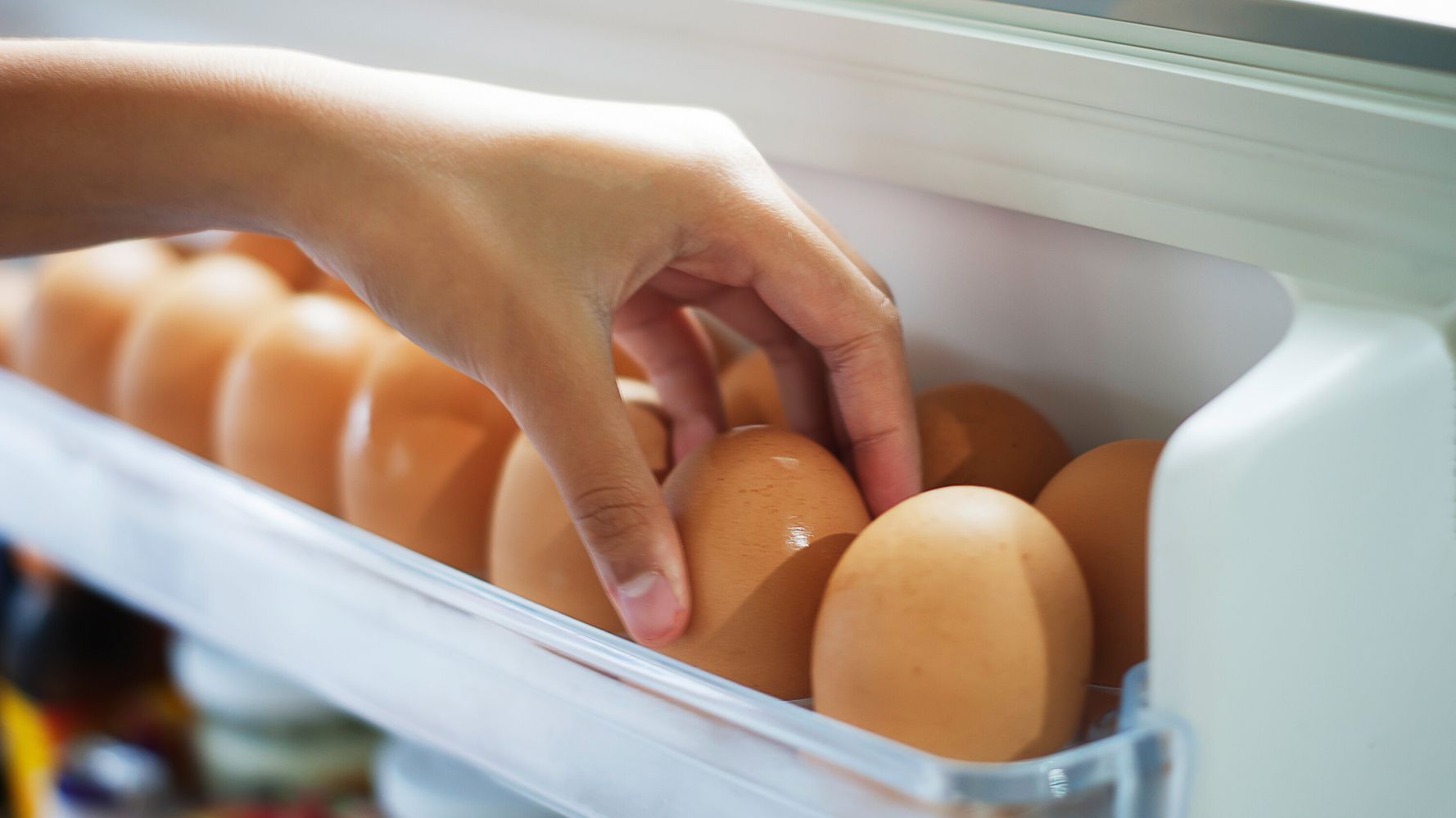
- Water Works: The key here is to keep them submerged. Place the peeled eggs in a container and cover them completely with cold water. Change the water daily to keep things fresh.
- Airtight is Key: Even under water, an airtight container will further protect the eggs from absorbing fridge odors. Nobody wants eggs that taste like leftover lasagna.
Keep in mind, peeled eggs stored in water won't last as long as unpeeled ones. Aim to eat them within a couple of days.
The Golden Rule: How Long Do They Last?
No matter how diligently you store them, hard-boiled eggs aren't immortal. The USDA recommends eating hard-boiled eggs within one week. After that, they're playing a risky game of bacterial roulette. Don't do it! It's not worth the potential stomachache.

If you're unsure how long they've been in the fridge, trust your senses. If they smell funky or look slimy, toss them. It's better to be safe than sorry. Think of it as an opportunity to practice your compost skills!
So there you have it! Storing hard-boiled eggs is actually pretty simple. Just remember: shell on is best, airtight containers are your friend, and when in doubt, throw it out. Now go forth and enjoy your perfectly preserved protein powerhouses!
