
How To Store A Car For Winter
Ah, autumn. The leaves are putting on their final, spectacular show, pumpkin spice is back in full force, and there’s a distinct chill in the air. For many of us, this means cozy sweaters and hot cocoa. But for our four-wheeled friends, especially those not built for snowy adventures, it's a cue for a long winter nap. Think of it as sending your beloved car off to a luxurious, extended spa retreat. Preparing your car for its winter slumber isn't just about avoiding a frozen engine; it's about preserving its health, value, and ensuring a joyful reunion come spring. Let's make this hibernation hassle-free, shall we?
The Big Clean-Up: Inside and Out
First things first: a spa day for your ride! Give your car a thorough wash and wax. Road salt and grime are notorious for causing rust, so get rid of any lingering residue now. Pay extra attention to the undercarriage – it's often overlooked but crucial. Think of it as applying a protective barrier against the elements. Inside, vacuum every nook and cranny. Crumbs and forgotten snacks aren't just unsightly; they're an open invitation for unwanted critters. A clean car is a less appealing target for hungry mice looking for a warm winter home. Remove all personal belongings, especially anything that could attract moisture or pests.
Fluid Fortification: More Than Just Oil
This step is critical. First, let's talk fuel. You want to fill the gas tank completely. A full tank prevents condensation from forming inside, which can lead to rust and other fuel system issues. But don't just fill it; add a fuel stabilizer. This magical potion prevents gasoline from degrading over months of inactivity, ensuring your engine starts smoothly when spring arrives. Next, check your oil. If it's due for a change or nearing its service interval, change the oil and filter now. Old oil can become acidic and cause corrosion during storage. Finally, ensure your coolant (antifreeze) is at the proper level and mixture to prevent freezing. Remember, a well-hydrated car is a happy car, even in hibernation.
Must Read
Battery TLC: The Heart of the Matter
Your car’s battery is like a tiny, hardworking power plant, and it doesn't like sitting idle in the cold. Cold temperatures significantly reduce battery capacity. To keep it healthy, you have a couple of options. The best practice is to disconnect the negative battery terminal to prevent parasitic draws from slowly draining it. Even better, invest in a trickle charger or battery tender. This smart device maintains the battery's charge at an optimal level without overcharging, extending its lifespan. Think of it as a life support system for your car's electrical heart – steady and gentle, just enough to keep the spark alive.
Tire Talk: No Flat Spots Here
Those trusty tires carry you everywhere, and they need some love before their long rest. When a car sits for months, the weight can cause flat spots on the tires, leading to uneven wear and a bumpy ride later. To combat this, over-inflate your tires by about 5-10 PSI above the recommended pressure. This helps them maintain their round shape. If you’re really serious, or storing a classic car, consider using tire cradles or jack stands to take the weight completely off the tires. It’s like giving them a comfy hammock for the winter – pure bliss for their sidewalls.

Pest Patrol: Evicting Unwanted Guests
Remember those hungry mice we talked about? They're always looking for a warm, dry place. Beyond the clean interior, there are a few tricks to deter them. Some folks swear by dryer sheets – tuck a few in the engine bay, on the seats, and even in the trunk. The strong scent often keeps rodents at bay. Others use cotton balls soaked in peppermint oil. Make sure all windows are fully closed. Consider blocking exhaust pipes and air intakes with steel wool (which pests can’t chew through) or even a old rag – just remember to remove them before you start the car in spring!
Cover Up: A Cozy Blanket for Your Car
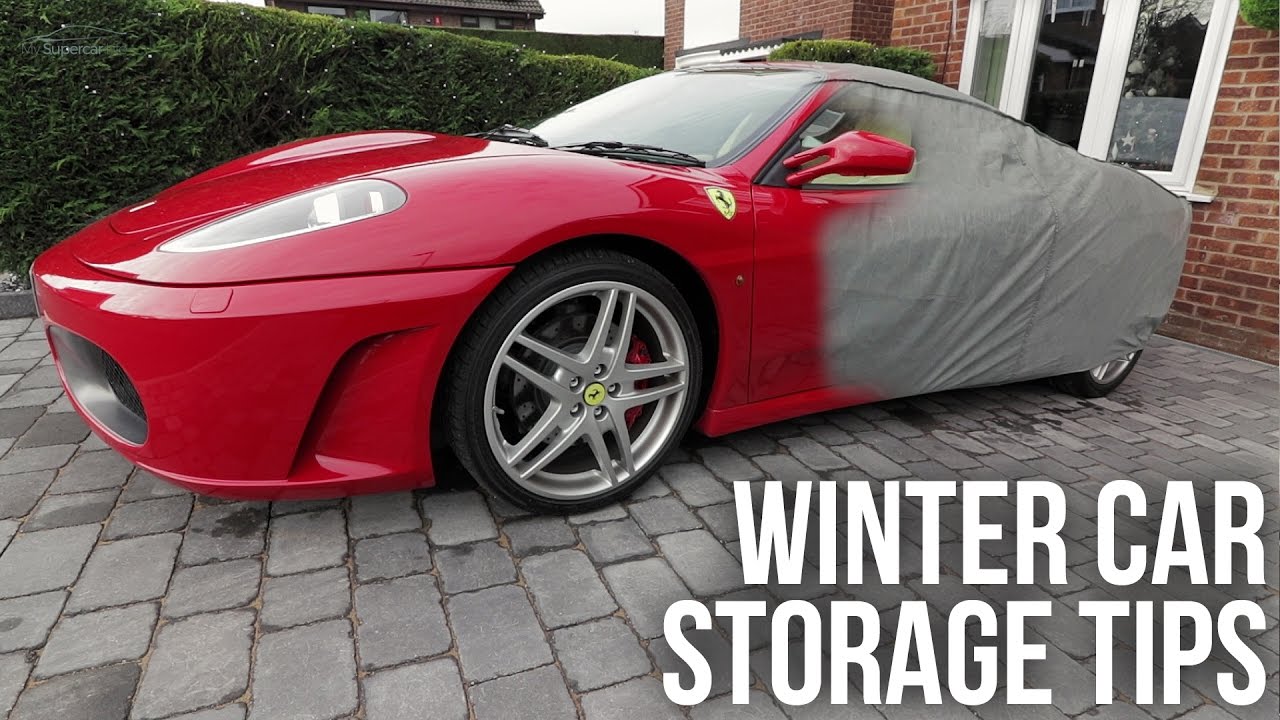
Once all the prep work is done, it's time for the final touch: a car cover. This isn’t just for aesthetics; it’s about protection. Opt for a breathable car cover, especially if your car is stored indoors. A breathable fabric prevents moisture and condensation from getting trapped underneath, which can lead to mold or rust. If storing outdoors, choose a weatherproof cover that offers protection from snow, ice, UV rays, and falling debris. It’s like tucking your car into a warm, protective blanket, ensuring it stays pristine until its grand re-entrance.

Location, Location, Location: Where to Winter
Ideally, your car should be stored in a dry, secure, and temperature-controlled environment, like a garage. If an indoor space isn't an option, a sheltered outdoor spot away from direct sunlight and falling tree branches is the next best thing. Wherever you choose, ensure the area is clean and relatively free from potential hazards. After all, a peaceful winter retreat sets the stage for a glorious return.
Preparing your car for winter storage might seem like a bit of a project, but it’s an act of love for your vehicle. Just like preparing your home for a long trip or setting up your finances for the future, a little foresight and effort now can save you headaches, money, and a lot of frustration down the road. It’s about more than just a car; it’s about the peace of mind knowing you’ve cared for something important, ensuring it’s ready to bring you joy again when the sun shines brightest. And isn’t that a wonderful feeling?

