
How To Stop Co Detector From Beeping

Ever been chilling at home, maybe binging your favorite show or finally tackling that pile of laundry, when suddenly – BEEP! BEEP! BEEP! That high-pitched, insistent chirping from your CO detector kicks in? It's like your house is suddenly trying to tell you something super urgent, right? And usually, it feels like it's happening at 3 AM.
That little device, quietly perched on your wall or ceiling, is actually a tiny superhero. It’s your Carbon Monoxide (CO) detector, and when it decides to get vocal, it's not just for kicks. It’s got a message for you. But what is that message, and more importantly, how do you get it to, you know, stop beeping without losing your cool? Let's dive in with a dose of calm curiosity!
Why the Beep-Beep-Beep? The Detector's Secret Language
Think of your CO detector's beeps like different cries for help, or perhaps just a very firm reminder. There are usually three main reasons it might be singing its siren song, each with its own rhythm and urgency.
Must Read
1. The "I'm Running on Empty" Chirp (Low Battery)
This is probably the most common culprit, and frankly, the easiest fix! Imagine your phone when it’s down to 1% battery – it starts flashing warnings, right? Your CO detector does something similar, but with an annoying, often intermittent, single chirp or a series of chirps every 30-60 seconds. It's not a full-on alarm, but more of a polite (yet incredibly persistent) reminder: "Hey, I need some juice!"
This isn't an emergency, but it is important. A detector with no power is like a superhero without their cape – useless!

2. The "I've Lived a Good Life" Alarm (End-of-Life)
Did you know your CO detector has an expiration date? It's true! Most detectors have a lifespan of about 5 to 7 years, sometimes 10. After that, their sensors can become less reliable, kind of like an old car that’s seen too many miles. When they reach the end of their useful life, they often let you know with a specific pattern of beeps – maybe a triple beep or a series of rapid chirps, different from the low battery signal. It's their way of saying, "My watch is ended; time for a new guardian!"
This is another super common reason for a persistent beep that isn't about CO itself. Look for a manufacturing or expiration date on the back or side of the unit.
3. The "Uh Oh, There's Trouble!" Siren (Actual CO Detected)
Now, this is the serious one. If your CO detector is blaring a loud, continuous, rapid series of four beeps, over and over, without stopping – usually accompanied by a flashing light – it means it’s detected carbon monoxide. This is its primary job, and when it does it, it means business.

Carbon monoxide is often called the "silent killer" because it's colorless, odorless, and tasteless. You can't see it, smell it, or taste it, but it's incredibly dangerous. So, when your detector shrieks this alarm, it's not crying wolf; it’s being a genuine hero, alerting you to a potentially invisible threat.
Okay, So How Do I Make It Stop? The Chill Fixes
Alright, armed with knowledge, let’s get to the good stuff: silencing that noisy little guardian.

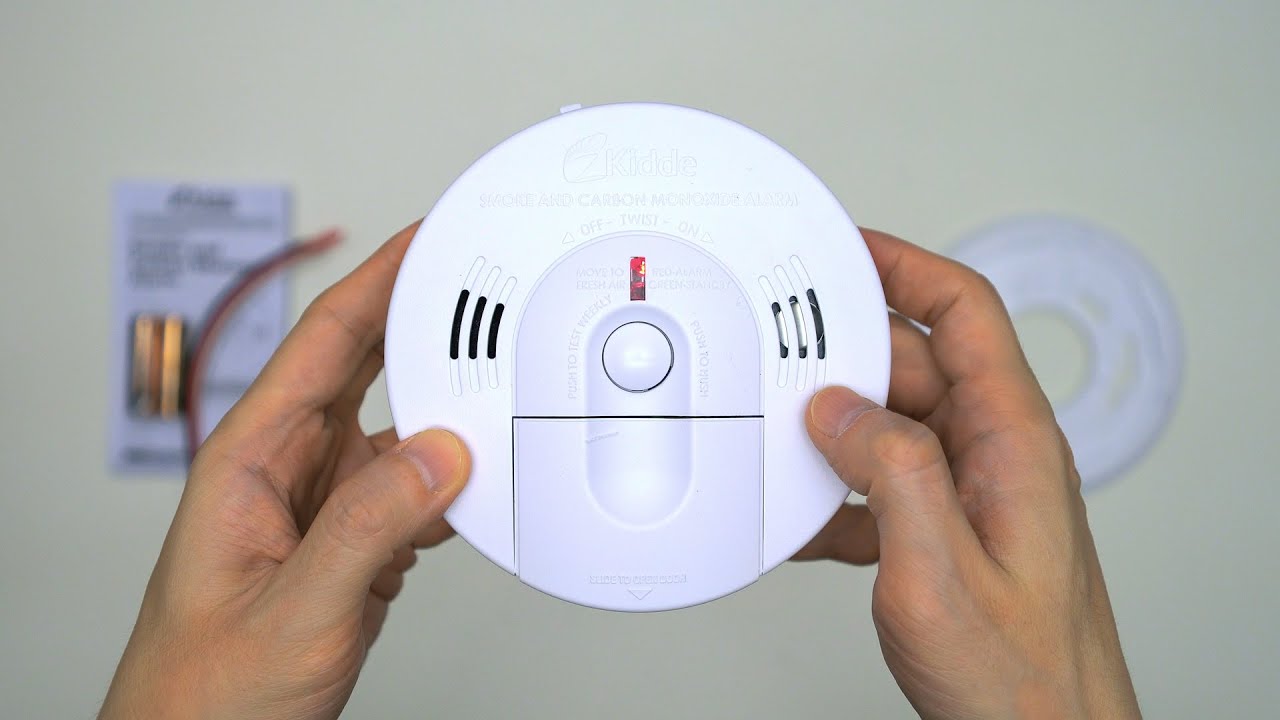
Step 1: Hit the Silence/Reset Button (The Quick Fix)
Many detectors have a "Silence" or "Test/Reset" button. If it's a low battery chirp or an end-of-life signal, pressing this might silence it temporarily (usually for a few minutes) to give you time to figure things out. If it's an actual CO alarm, pressing it will usually silence it for a short period too, but it will reactivate if the CO levels are still high. Don't rely on this as a permanent fix, but it's great for immediate relief from the noise!
Step 2: Check and Replace Batteries (The Easy Win)
If you suspect it’s a low battery beep:
- Locate your detector: Is it plugged in or battery-operated? Most older ones use AA or 9V batteries.
- Open the battery compartment: It’s usually a small sliding door or cover.
- Swap 'em out: Pop in fresh, new batteries. Make sure you get the polarity right!
- Test it: Once the new batteries are in, press the "Test" button. It should beep loudly, then go quiet. If the low-battery chirp returns after a while, you might have another issue (or faulty new batteries, which happens!).
Step 3: Check the Expiration Date and Replace the Unit (The Responsible Upgrade)
If new batteries didn't work, or if the beeping pattern strongly suggests an end-of-life signal (check your detector's manual if you have it!), then it's time for a replacement.
- Find the date: Look on the back or side of the detector for a "manufacture date" or "replace by" date. If it’s past due, it's time to retire your old friend.
- Get a new one: Head to your local hardware store. They're usually quite affordable. Consider getting a combination smoke and CO detector for double the protection!
- Install it: Follow the instructions for your new unit. It's usually a simple screw-in process.
Step 4: If It’s an Actual CO Alarm – Act Fast and Stay Calm! (The Superhero Protocol)
This is the most critical scenario. If you hear that loud, continuous, rapid four-beep alarm:
- Don't ignore it! This isn't the time to wonder if it's just a glitch.
- Ventilate: Open windows and doors immediately to air out your home.
- Evacuate: Get everyone (and pets!) out of the house and into fresh air.
- Call for help: From a safe location, call 911 or your local fire department. They have the equipment to detect CO levels and can tell you if it's safe to re-enter. They'll also help identify the source of the CO leak.
Beyond the Beep: A Little Love for Your Detector
Once you've stopped the beeping, give your detector a little love.
- Test it monthly: Press that "Test" button regularly. It confirms the battery and alarm are working.
- Clean it: A quick vacuum around the vents can remove dust that might interfere with sensing.
- Know its age: Keep track of its expiration date so you're not caught off guard.
Your CO detector is truly a silent guardian, diligently watching over your home. When it starts beeping, it’s not trying to annoy you; it’s doing its job. Understanding its different "languages" and knowing how to respond calmly can turn a stressful moment into a simple, proactive maintenance task – or, in rare cases, a life-saving action. So, next time it chirps, you’ll be ready to decode its message like a pro!