
How To Start Diesel After Running Out Of Fuel
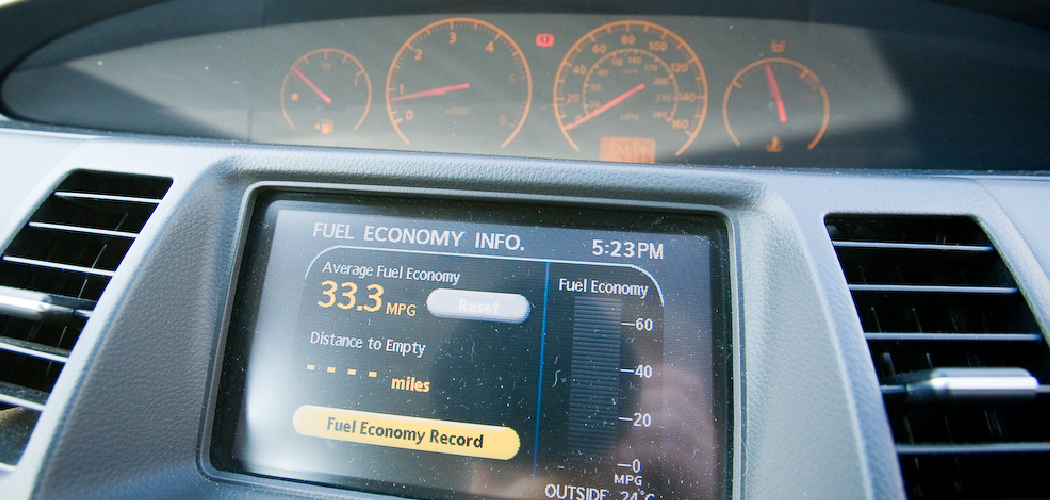
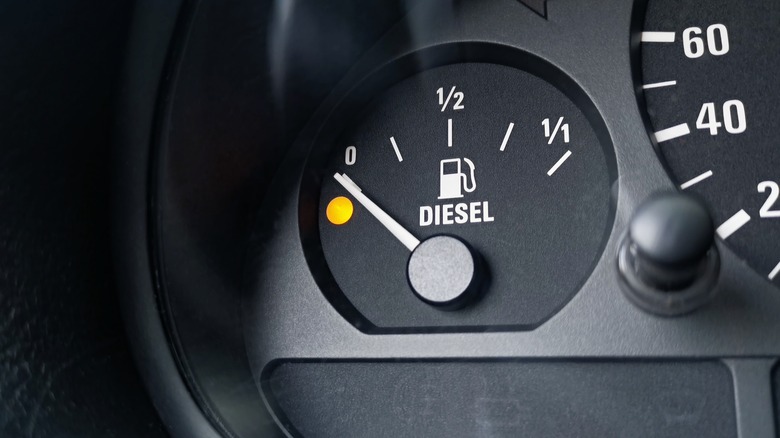
So, you ran out of diesel. We've all been there, right? Don't worry, it's not the end of the world, just the end of your journey… temporarily.
Now, some folks might suggest calling a tow truck. Or maybe even blaming someone else. But where’s the fun in that?
The (Slightly Tedious) Refueling Ritual
First things first: get some diesel. This part's pretty straightforward. A trip to the nearest gas station is in order, hopefully with a jerry can in tow.
Must Read
Don't be tempted to use gasoline. Trust me, that's a mistake. A very, very expensive mistake. Diesel only!
Carefully pour the diesel into your tank. Don't spill! Unless you enjoy the smell of diesel on your shoes for the next week.
Bleeding the System: The Not-So-Secret Weapon
Okay, here's where it gets a little more involved. You need to "bleed" the fuel system. This means getting rid of air bubbles.
Air in the fuel lines is bad. It's like kryptonite for diesel engines. It prevents the fuel from getting where it needs to go.
Find your fuel filter. It's usually somewhere along the fuel line, looking important. It might have a little bleeder screw on top. Or something similar.
Loosen that screw. Just a little. Don't take it all the way out unless you want a diesel shower.
Now, pump the hand primer. It's usually a little button or lever near the fuel filter. Pump it until fuel (without air bubbles) comes out of the bleeder screw.

Tighten the screw. That’s one part of the system bled! You're basically a diesel mechanic now.
Repeat this process at other bleed points if your vehicle has them. Consult your owner's manual for specifics. If you can find it, that is.
A Word on Owner's Manuals (An Unpopular Opinion)
Okay, unpopular opinion time: owner's manuals are overrated. Who actually reads those things cover to cover?
Sure, they might have useful info. But they're also incredibly boring. I'd rather try things myself (and potentially mess them up) than spend an hour deciphering technical jargon.
But, seriously, if you're not comfortable working on your vehicle, consult a professional. Safety first!
Cranking It Up: The Moment of Truth
Now, try starting your engine. It might take a few tries. Don't panic if it doesn't fire up immediately.
Crank it for about 10-15 seconds. Then let it rest for a minute. This gives the starter motor a chance to cool down.
Repeat this process a few times. Hopefully, with each attempt, it'll sound a little closer to starting.
If it still doesn't start, double-check your work. Did you bleed the system properly? Is there enough fuel in the tank?
And remember, patience is key. Diesel engines can be a little temperamental after running dry. Think of them as needing a bit of a "wake-up call."
The "Accelerator Pedal Trick" (Maybe)
Some people swear by pressing the accelerator pedal slightly while starting. This might help prime the fuel system.
However, this isn't recommended for all vehicles. Check your owner's manual (I know, I know, I said they were overrated). Or ask a mechanic.
Use this trick with caution! It could potentially flood the engine.
The Sweet Sound of Success
Finally, the engine roars to life! That glorious sound of a diesel engine purring again. You did it!
Let the engine idle for a few minutes. This allows the fuel system to fully prime and stabilize.
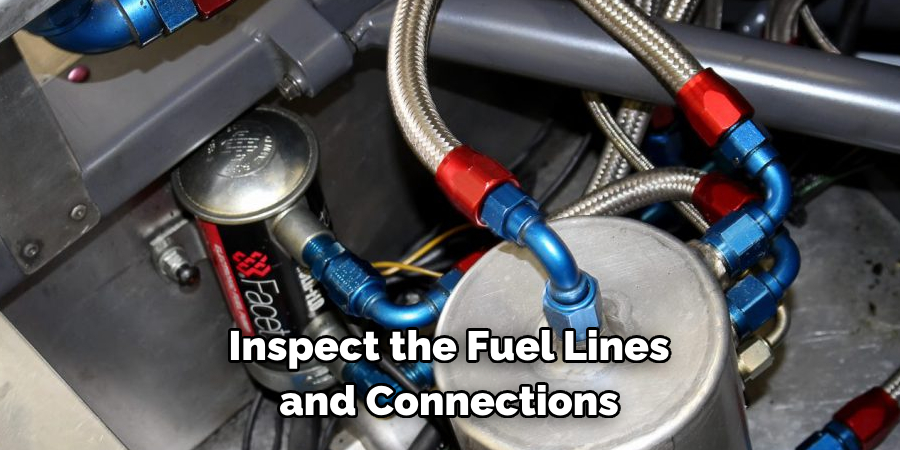
Check for any fuel leaks. Especially around the fuel filter. If you see any, tighten the connections.
Now, you're ready to get back on the road. Hopefully, you've learned your lesson. And you'll be a little more careful about running out of fuel in the future.
Prevention is Better Than Cure (Obviously)
The best way to start a diesel after running out of fuel? Don't run out of fuel in the first place! I know, groundbreaking advice, right?
Keep an eye on your fuel gauge. Fill up before it gets too low. This seems obvious, but it's surprisingly easy to forget.
Especially on long trips. Plan your fuel stops in advance. Don't rely on "I'll fill up at the next station" when the gauge is already on empty.
The Fuel Gauge Conspiracy (Another Unpopular Opinion)
Here's another unpopular opinion: fuel gauges are often lying. They're designed to make you think you have less fuel than you actually do.
It's a conspiracy by the oil companies, I tell you! They want you to buy more fuel more often.
Okay, maybe that's a bit of a stretch. But seriously, fuel gauges are rarely perfectly accurate. So err on the side of caution.

The Aftermath: Things to Consider
Even after you've successfully restarted your engine, there are a few things to keep in mind.
Your fuel filter might be partially clogged. Running out of fuel can stir up sediment in the tank. This sediment can then clog the filter.
Consider replacing your fuel filter soon. Especially if you've run out of fuel multiple times. A clean fuel filter will help your engine run smoothly.
Also, be extra vigilant for any unusual engine behavior. Listen for strange noises. Watch for any loss of power. If you notice anything, get it checked out by a mechanic.
The Final Word: Don't Panic!
Running out of diesel is a pain. But it's not a disaster. With a little patience and a bit of know-how, you can usually get your engine started again.
Just remember the key steps: Refuel, bleed the system, and crank it up. And try not to let it happen again.
Happy motoring! And may your fuel tank always be full (or at least not empty).
Disclaimer: This article is for informational purposes only. I am not a qualified mechanic. Always consult a professional for advice on vehicle repairs. Attempting these procedures may void your warranty.