
How To Sleep On Memory Foam Pillow

Let's face it: sleep is a universally beloved activity, and we're all constantly striving to optimize it. And what's a crucial component of a good night's rest? Your pillow, of course! Specifically, we're diving into the sometimes-mysterious world of the memory foam pillow. You might have one, you might be considering one, but are you really getting the most out of it? Fear not, sleep-seekers! This guide will unlock the secrets to slumbering soundly on your memory foam friend.
So, why all the fuss about memory foam? Well, the purpose of a memory foam pillow is pretty straightforward: to provide superior support and comfort for your head and neck. Unlike traditional pillows that can flatten and lose their shape, memory foam molds to your unique contours, distributing weight evenly and alleviating pressure points. This can lead to a whole host of benefits, including:
- Reduced neck pain and stiffness: Memory foam helps maintain proper spinal alignment, minimizing strain on your neck muscles.
- Improved sleep quality: By cradling your head and neck, it can reduce tossing and turning, leading to deeper, more restful sleep.
- Allergy relief: Many memory foam pillows are hypoallergenic and resistant to dust mites, making them a great choice for allergy sufferers.
Now, let's get down to the nitty-gritty: how do you actually sleep on one of these things? It's not as simple as just plopping your head down! Here are a few tips to maximize your memory foam pillow experience:
Must Read
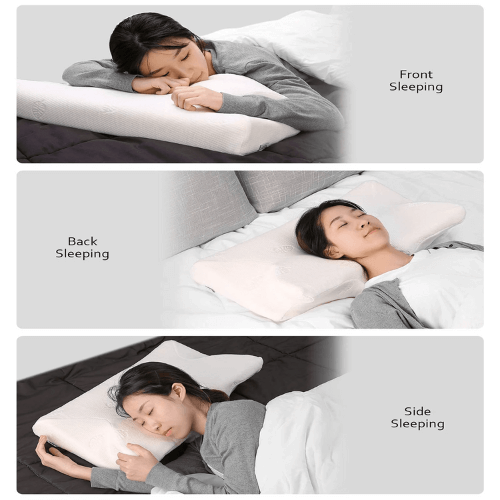
1. Find the Right Shape and Size: Memory foam pillows come in various shapes and sizes, so it's crucial to choose one that suits your sleeping position. Side sleepers often benefit from thicker, contoured pillows that fill the space between their head and shoulder. Back sleepers typically prefer thinner, flatter pillows to maintain a neutral spine. And stomach sleepers...well, stomach sleeping isn't generally recommended, but if you must, opt for the thinnest pillow possible.
2. Initial Adjustment Period: Don't be discouraged if your memory foam pillow feels a little strange at first. It often takes a few nights (or even a week) for your head and neck to adjust to the new support. Be patient!

3. Position is Key: Make sure your head and neck are properly aligned on the pillow. Your neck shouldn't be bent at an awkward angle. Experiment with slightly different positions until you find what feels most comfortable.
4. Temperature Considerations: Some memory foam pillows can trap heat, which can be uncomfortable for some sleepers. Look for pillows with cooling gel or breathable covers to help regulate temperature.
5. Maintenance Matters: Follow the manufacturer's instructions for cleaning your memory foam pillow. Most can't be machine washed, but you can usually spot clean them with a damp cloth.
Bonus Tip: Consider adding a pillow protector! This will not only keep your pillow clean but also extend its lifespan.
By following these simple tips, you can transform your memory foam pillow from a potential sleep disruptor into a powerful sleep enhancer. Sweet dreams!

