
How To Size A Generator For Home
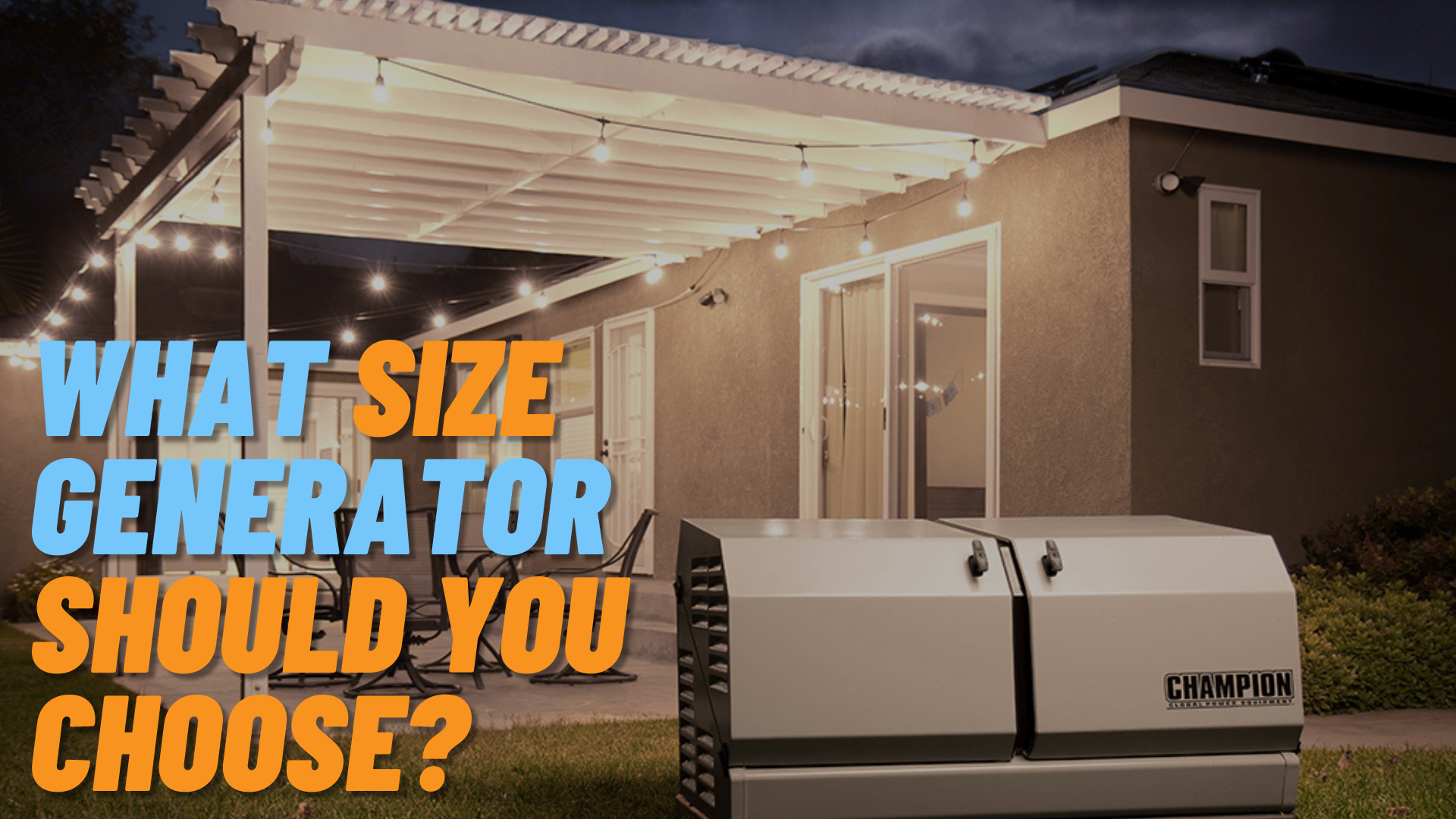
Ever felt that sudden chill when the lights flicker and then... total darkness? Or opened the fridge to a warm, unsettling hum? Power outages are no fun, but what is fun is being prepared! Imagine sipping a hot coffee, watching a movie, or keeping your life running smoothly while the neighborhood goes dark. That's the magic of a home generator, and learning how to size one isn't just useful; it's empowering! It’s like being a superhero, ready to bring light and comfort back with a flick of a switch.
The purpose of properly sizing a generator is simple yet crucial: to ensure you have enough power without buying too much. Too small, and your essential appliances won't run, leaving you frustrated and cold. Too large, and you've wasted money on unnecessary capacity and fuel. The benefit? Seamless comfort and absolute peace of mind during unexpected blackouts. You're not just buying power; you're investing in safety, convenience, and the ability to protect your valuable appliances and food.
So, how do you become a generator-sizing guru? Let’s break it down:
Must Read
Step 1: Identify Your Must-Haves. Grab a pen and paper. What absolutely needs to run? Think critical items first: your refrigerator/freezer (to save your groceries), a few lights, maybe your furnace or AC fan (depending on the season), a medical device if applicable, and perhaps a way to charge your phone. Don’t try to power your whole house if you don’t need to; focus on the essentials.
Step 2: Find the Watts. Each appliance has two wattage ratings: running watts (what it needs to operate continuously) and starting watts or surge watts (the brief burst of power needed to kick-start motors, like in fridges or microwaves). The starting watts are almost always higher. You'll find these on a label on the appliance, in its manual, or often with a quick online search. For example, a refrigerator might need 800 running watts but 2200 starting watts.

Step 3: Add Up the Running Watts. List all your "must-have" items and their running watts. Add these numbers together. This gives you your baseline running wattage. Let’s say your fridge (800W), a few lights (300W), and a TV (150W) add up to 1250 running watts.
Step 4: Account for Starting Watts (The Surge!). This is where it gets a little tricky but totally manageable. You only need to account for the single largest starting wattage at any given time, because your generator will only start one motor-driven appliance at once. So, if your fridge needs 2200 starting watts and your well pump needs 3000 starting watts, you'd use the 3000 for this calculation. Add this highest single starting wattage to your total running watts from Step 3. For instance, if your largest starting appliance needs 2000W to start, and your running total is 1250W, you’d need at least 3250W (1250 + 2000).

Step 5: Add a Safety Margin. It's always a good idea to have a little extra juice. Add another 10-20% to your final wattage calculation. This gives you flexibility and prevents overloading your generator, which can damage both the generator and your appliances. So, if you calculated 3250W, aim for a generator around 3600-3900 watts.
And there you have it! You’ve just sized your generator like a pro. Remember, this is for portable generators. Whole-home standby generators are a different (and often professional) ballgame. But for getting your essentials running, this method will light up your life. Enjoy the newfound confidence that comes with being prepared – no more fumbling for candles in the dark!

