
How To Set Up A Cpap Machine

Picture this: It's 3 AM. You're wide awake, again, contemplating the meaning of life, or more accurately, the meaning of why you're still awake. Your partner's been nudging you for months about your "snoring contest with a grizzly bear," and your doctor finally dropped the bomb: Sleep Apnea. And with it, a prescription for a CPAP machine. My first thought? "Oh great, another piece of futuristic medical equipment I'll probably break just by looking at it." Sound familiar?
Yeah, I hear you. The box arrives, it's bigger than you expected, and suddenly you're staring at what looks like a sophisticated air pump designed by NASA. Don't panic! Seriously, take a deep breath (you'll be doing a lot more of that soon, but in a good way!). Setting up your CPAP machine is actually a lot less intimidating than assembling that IKEA bookcase with the cryptic instructions. Think of it as your new personal sleep assistant, ready to usher you into the land of restorative slumber.
Getting Started: The Grand Unboxing!
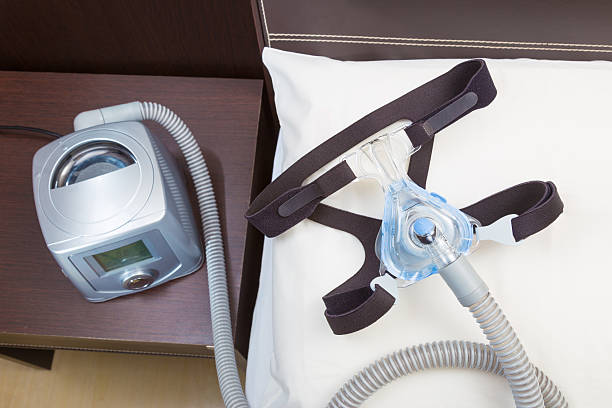
First things first, open that box! You'll typically find the main CPAP unit (that's the brains of the operation), a humidifier chamber (often detachable), a long hose (your air pipeline), a mask (your new nighttime accessory), and a power cord. Take everything out and give it a quick once-over. No need to read the entire manual cover-to-cover just yet, unless you're into that kind of bedtime reading. We're just identifying the players here.
Must Read
Pro-tip: Find a nice, sturdy spot next to your bed for the machine. Think bedside table, not precarious stack of books. You want it easily accessible but also somewhere it won't get knocked over.
Powering Up: Let There Be (Quiet) Air!
Okay, let's give this thing some juice. Locate the power input on the back or side of your CPAP unit. Plug one end of the power cord into the machine, and the other into a wall outlet. You might hear a small whir or see a display light up. Don't worry, it's not about to blast off. This just means it's alive! See? You're already a tech wizard.

The Water Works: Hydration Station!
Many CPAP machines come with an integrated humidifier. This is a game-changer, trust me. It prevents that desert-in-your-mouth feeling you might get otherwise. Pop out the humidifier chamber (it usually slides or clicks out easily). You'll see a 'max fill' line. Grab some distilled water (this is important – tap water can lead to mineral buildup and damage your machine over time) and fill it up to that line.
Slide the chamber back into the machine until it's securely in place. Easy peasy, right? Hydration, activated!
Hose It Down (Figuratively!): The Air Highway.
Now for the air hose. One end of the hose will connect to the back or side of your CPAP machine. It usually twists on or pushes into a port until it clicks. The other end, well, that's where your mask comes in. Connect the free end of the hose to your mask connection point. It's usually a swivel or a simple push-on connection. Make sure both ends are snug. You don't want any air leaks before the journey even begins!
Mask Magic: Finding Your Perfect Fit.
This, my friend, is arguably the most crucial step for your CPAP success. Your mask needs to be comfortable and create a good seal. There are different types: nasal pillows (small cushions that fit just under your nose), nasal masks (cover your nose), and full-face masks (cover both nose and mouth). Your sleep doctor or equipment provider should have helped you choose the right type and size.
Put your mask on. Don't strap it down super tight right away. The goal isn't to create a vacuum seal that leaves imprints on your face. Gently adjust the headgear straps until the mask feels secure but not constricting. You're looking for a fit where you can move your head slightly without the mask shifting or leaking excessively. Comfort is king here! If it's uncomfortable, you won't use it, and that defeats the whole purpose, doesn't it?

The Grand Finale: First Flight!
You're all set up! Lie down in your usual sleeping position. Take a few deep breaths. Now, hit the "start" button on your CPAP machine. You'll hear the air start to flow. Pay attention to how it feels. Does your mask leak a lot? Try adjusting the straps slightly, or repositioning the mask. Does the pressure feel too high or too low? Your machine might have a "ramp" feature that starts at a lower pressure and gradually increases it, giving you time to fall asleep. If it's still uncomfortable after a few minutes, don't be afraid to take it off, re-adjust, and try again.
Remember, your first night (or even week) with CPAP is an adjustment period. It's totally normal to feel a bit weird, or even to wake up and take it off. Patience is your best friend here. Give yourself time. Play with the mask fit, experiment with different sleeping positions. Your sleep will thank you for it, and so will your partner (who'll probably be thrilled about the lack of grizzly bear serenades).
You’ve conquered the CPAP setup. Now go forth and get some truly restful, life-changing sleep! You absolutely got this.
