
How To Set Refrigerator Temperature Ge Profile
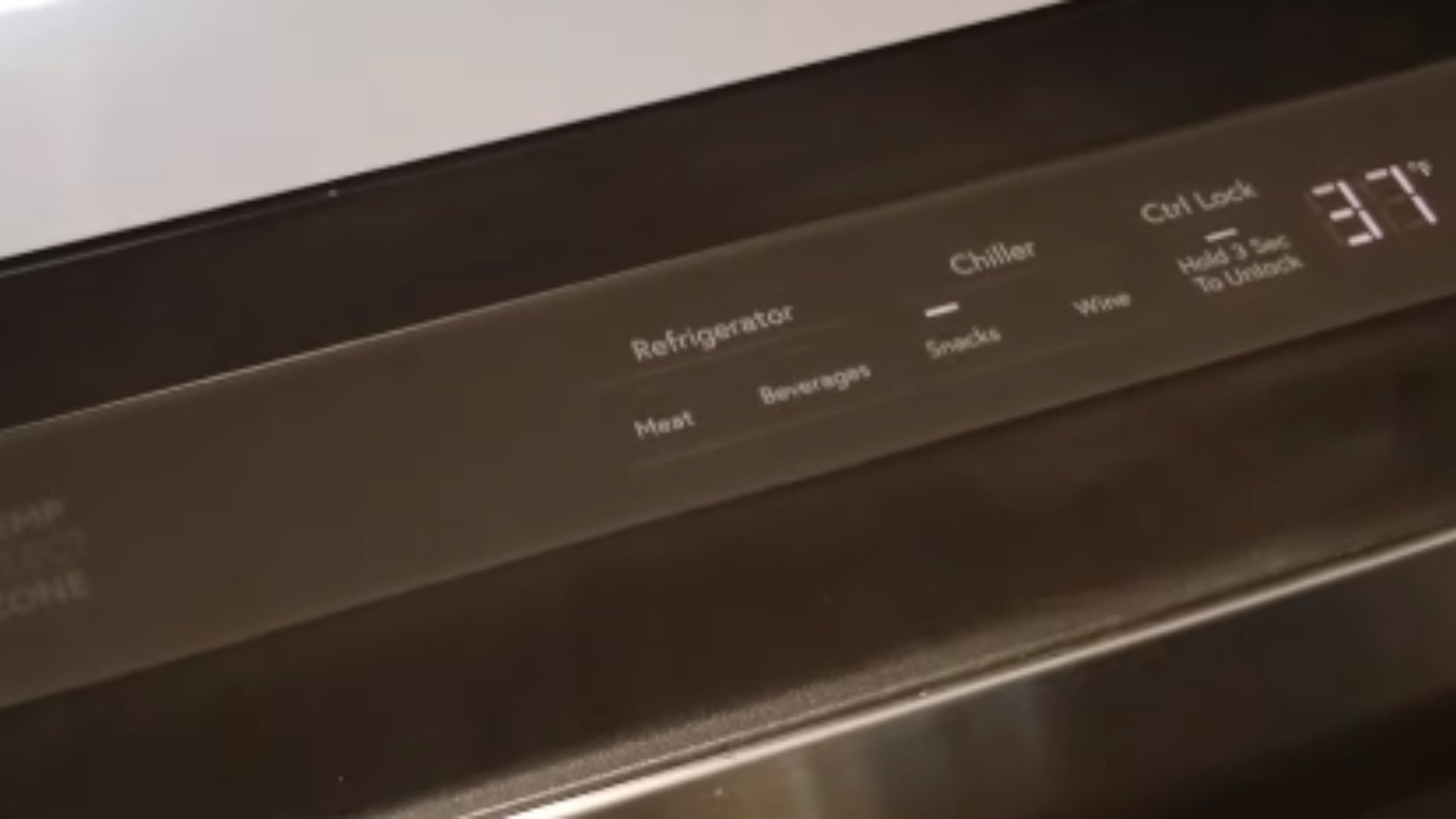
Alright, gather 'round folks! Let's talk about the arctic wonderland in your kitchen – your GE Profile refrigerator. Now, you might think setting the temperature is as simple as, say, knowing that socks go on your feet (most of the time). But trust me, there's a teeny bit more to it than that. We're not rocket surgeons here, but we are trying to avoid a lettuce massacre, right?
First things first, let's acknowledge a universal truth: refrigerators are weird. They're like that eccentric aunt who always wears a hat indoors and insists on feeding you prune juice. You love them, but you don't always understand them. So, don't feel bad if you’ve ever looked at your fridge control panel and thought, "Is this thing speaking Klingon?" You are not alone.
Finding the Control Panel: The Great Fridge Safari
Before you can adjust anything, you need to locate the controls. Now, I'm not going to lie, sometimes these things are hidden better than Jimmy Hoffa. Generally, you'll find them inside the fridge, usually on the top or side wall. But GE, in their infinite wisdom, might have decided to be extra sneaky. Think of it as a mini-adventure! You might need a headlamp and a sherpa guide. Okay, maybe not. But do look carefully. The control panel is your key to unlocking the secrets of optimal food preservation.
Must Read
Pro Tip: If you're really stuck, check the model number (usually on a sticker inside the fridge) and Google the user manual. It's okay to cheat! We all do it. Just don’t tell the fridge. It has feelings, probably. And a compressor.
Decoding the Numbers: It's Colder Than You Think
Okay, you've found the panel! Huzzah! Now, you'll likely be greeted by some numbers. These aren't lottery numbers, though wouldn't that be nice? These are the temperature settings. Most GE Profile refrigerators use a numerical scale, where lower numbers indicate warmer temperatures, and higher numbers indicate colder temperatures. Yes, that’s counterintuitive. Because why would they make it easy?

Think of it like this: 1 is a gentle hug for your yogurt, while 5 is a polar bear plunge for your pickles. The recommended setting is usually around 3 or 4. This will keep your fridge at the ideal temperature of around 37°F (3°C). Why 37°F? Because science, and food safety, and because someone somewhere decided that was the magic number. Don’t question it. Just accept it.
The Freezer Factor: Sub-Zero Heroics
Don't forget about the freezer! The ideal freezer temperature is 0°F (-18°C). This keeps your ice cream rock solid (the way it should be) and prevents freezer burn from turning your leftover lasagna into a sad, icy brick. Check your freezer settings too – often, there's a separate dial or button for that frosty compartment.
Making Adjustments: The Art of the Fridge Whisperer
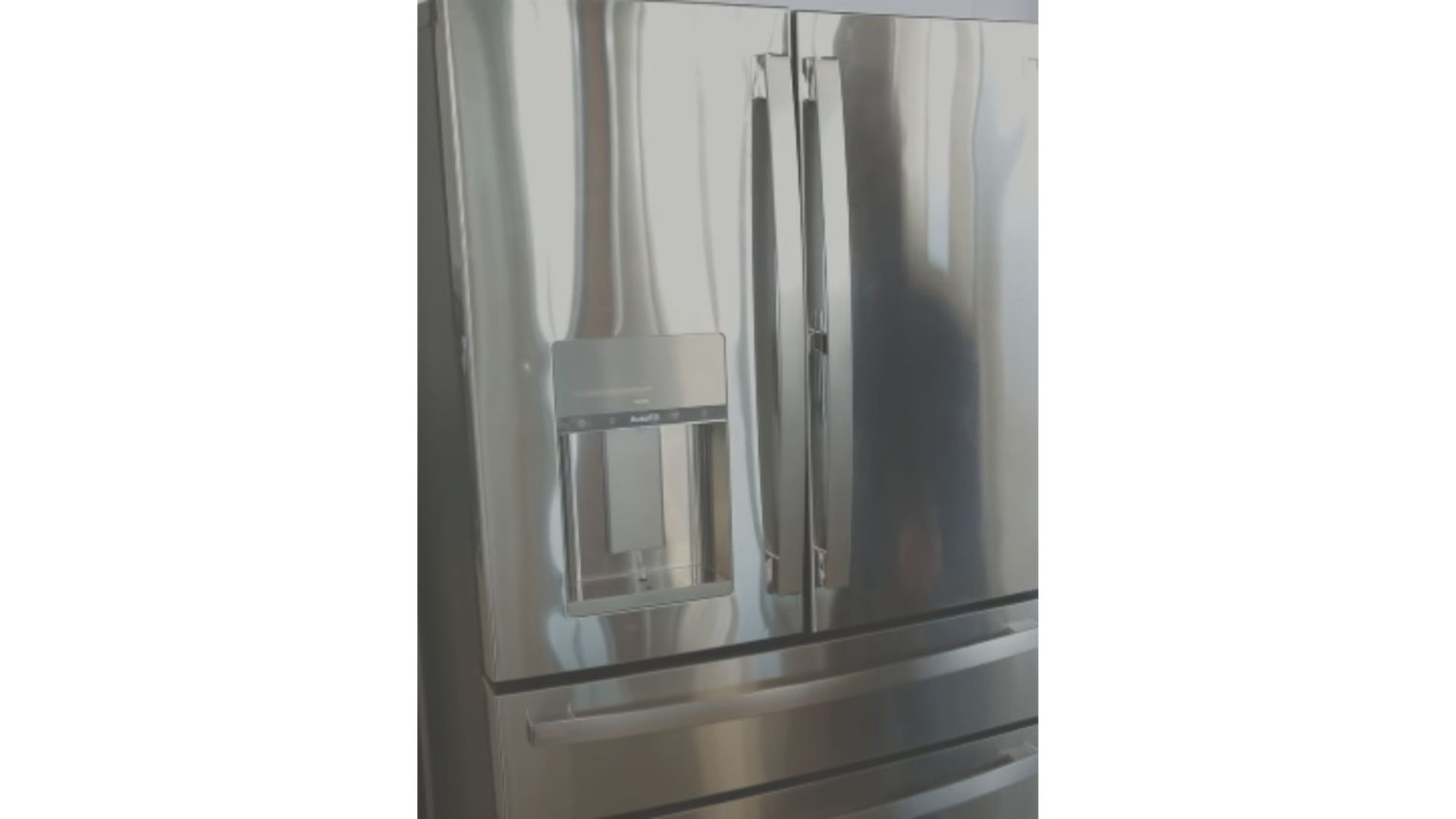
So, how do you actually change the temperature? It depends on your specific GE Profile model. Some have buttons you press, others have a dial you turn. It's usually pretty straightforward. Just follow the on-screen instructions (if there are any) or consult your user manual (again, no shame in that game!).
Small adjustments are key. Don't crank the fridge from 1 to 5 in one go! That's like trying to run a marathon without stretching. Start with a small increment, wait 24 hours, and then check the temperature with a refrigerator thermometer. Yes, you need a thermometer! It's like having a GPS for your food. You wouldn't drive across the country without one, would you? (Okay, some people would, but that's a different story.)

If you don't have a fridge thermometer, get one! They're cheap and will save you from a lot of guesswork (and potentially spoiled food). Place it in the middle of the fridge, away from the vents, for an accurate reading.
Troubleshooting: When Good Fridges Go Bad
Sometimes, even with the perfect settings, your fridge might act up. Maybe it's too warm, maybe it's too cold, maybe it's developed a sentient AI and is demanding you play it smooth jazz. (Okay, that last one is unlikely, but you never know!).

Here are a few common issues and their solutions:
- Fridge too warm: Make sure the vents aren't blocked by food. Overcrowding can restrict airflow. Also, check the door seals. If they're damaged, cold air will escape.
- Fridge too cold: You might have the temperature set too low. Obvious, I know, but worth mentioning. Also, check if anything is blocking the vents inside, preventing proper air circulation.
- Ice buildup: This could indicate a problem with the defrost system. Consult your user manual or call a qualified appliance repair technician. Unless you're a highly skilled DIY enthusiast, messing with the defrost system is generally a bad idea.
And there you have it! You're now a certified GE Profile refrigerator temperature-setting guru. Go forth and conquer that cold box! Just remember to keep an eye on that lettuce – it's a delicate soul. And maybe offer your fridge a prune juice. You know, just to be friendly.
Bonus Tip: Clean your fridge regularly! A clean fridge is a happy fridge. And a happy fridge means happy food. And happy food means... well, you get the picture. It's a virtuous cycle.