
How To Secure French Doors From Burglars
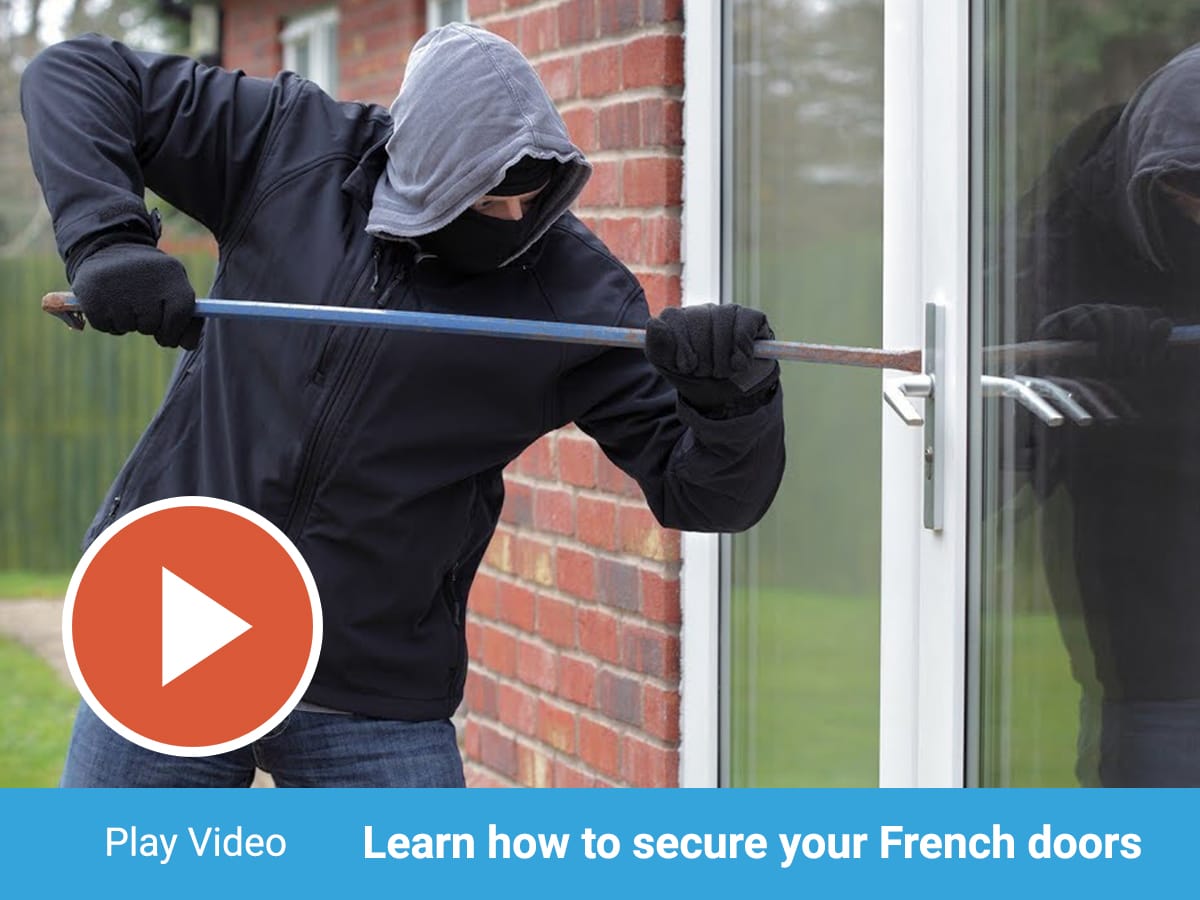
So, you’ve got those gorgeous French doors, huh? Lucky you! All that lovely light, open space, totally chic. But let's be real, deep down, a little part of you probably worries, right? Like, "Are these elegant things just… screaming 'easy access' to the wrong crowd?"
Don't sweat it! We're gonna chat about how to make those beautiful doors less of an invitation and more of a fortress. Or, you know, at least a mild inconvenience for anyone with sticky fingers. Because, spoiler alert, burglars often look for the easiest target, not Fort Knox next door.
The Big Bad Vulnerability: What’s the Deal?
Alright, so why are French doors sometimes seen as a bit… flimsy? Mostly it comes down to a few things:
Must Read
- They often have more glass. Smashy smashy.
- Locks are sometimes just a single point, usually on the active door, latching into the inactive one. Not exactly a bank vault.
- The meeting point where the two doors come together can be a weak spot. A seam, a natural place to try and pry.
But fear not! We can totally beef these up without turning your elegant entryway into a prison cell. Promise.
Step One: Lock it Up, Buttercup!
This is probably the most crucial step. Think about it: a single lock is like trying to stop a charging bull with a piece of string. Not gonna work!
Multi-Point Locking Systems: Your New Best Friend
If you're serious (and you should be!), a multi-point locking system is where it's at. These bad boys secure the door at multiple points – top, middle, and bottom – usually with a single turn of a key or handle. It’s like having three or five deadbolts working in unison. Suddenly, prying those doors open becomes a Herculean task, and who has time for that?

Adding Deadbolts: The Classic Power Move
Can't swing a whole new system right now? No worries. Add a couple of heavy-duty deadbolts. One at the top, one at the bottom, on both doors if possible. Make sure they have a good, long throw. This seriously ups the security ante. It's an oldie but a goodie for a reason!
Glass Half Full (of Security, That Is!)
That beautiful glass? It’s also a giant "hello, come on in!" sign. Let's tackle that.
Security Film: The Invisible Shield
You know those clear films they put on car windows to prevent them from shattering? Yep, they make 'em for homes too! A good security film won't stop a determined person from eventually breaking the glass, but it'll make it incredibly difficult and LOUD. Burglars hate noise and time!

Laminated or Tempered Glass: The Built-In Tough Guys
If you’re replacing the doors or glass anyway, ask about laminated or tempered glass. These are much tougher than standard panes. Laminated glass, like a car windshield, holds together when broken. Tempered glass shatters into tiny, less dangerous pieces, but it's also much harder to break initially. Worth considering for ultimate peace of mind.
Reinforce the Frame and Hinges: Don’t Skimp on the Sturdiness
Even with great locks, a flimsy frame or weak hinges are like building a skyscraper on quicksand. Not ideal.
Longer Screws for Strike Plates: A Tiny Change, a Big Difference
Go check the screws holding your strike plates (that metal bit on the door frame where the latch goes). Are they short, dinky little things? Swap them out for 3-inch screws that go deep into the door frame studs. This is one of those ridiculously simple, cheap upgrades that makes a world of difference. Seriously, do it now!
Hinge Pin Protection: If Your Doors Open Outward
If your French doors open outward, the hinges are exposed. A savvy burglar could pop the pins out and just lift the door off! Yikes! The fix? Get hinges with non-removable pins or install security studs that project from one leaf of the hinge into the other. This prevents the door from being removed even if the pins are taken out. Easy peasy!
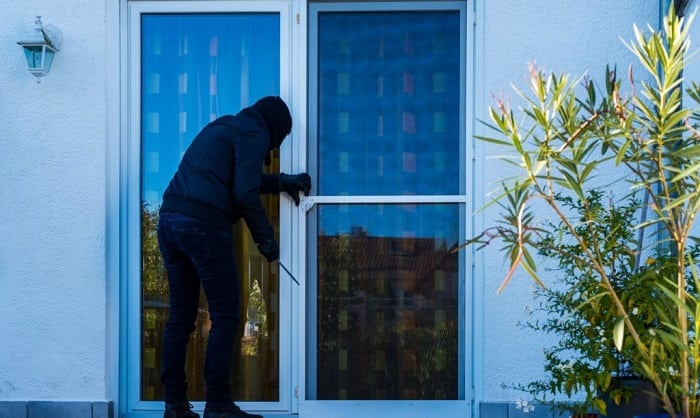
The Astragal: Beef Up the Meeting Point
That vertical piece of wood or metal where your two French doors meet? That's called the astragal. It’s often a weak point. Reinforce it with a stronger metal astragal or add vertical bolts (sometimes called surface bolts or barrel bolts) to the inactive door, top and bottom, extending into the door frame. This locks the inactive door firmly in place, making it much harder to pry.
Don't Forget the Outside In: External Deterrents
Sometimes, the best defense is making them choose someone else's house entirely.
Motion-Sensor Lighting: A Bright Idea
Burglars hate being seen. A bright motion-sensor light blasting on when they approach your doors is a fantastic deterrent. It screams, "Hey, someone's here! And now everyone knows it!"

Alarm Systems: The Vocal Guardian
Even a simple contact sensor on your French doors connected to an alarm system can make a world of difference. That loud siren is often enough to send them running. It’s not just about stopping them, it’s about scaring them off.
Trim Those Shrubs!
Are your beautiful bushes giving potential intruders a nice, cozy spot to hide while they work on your doors? Trim 'em back! Eliminate any hiding spots near windows and doors. Visibility is your friend, their enemy.
The Takeaway: Make it a Pain, Not a Pleasure
Look, you're never going to make your home 100% impenetrable. But that's not the goal. The goal is to make your French doors significantly harder and riskier to break into than the house next door. Burglars are opportunists. If your doors look like they'll take too much time, make too much noise, or require too much effort, they’ll probably just move on to an easier target. And isn't that what we really want?
So go on, enjoy those beautiful doors! Just make sure they're not accidentally rolling out the welcome mat for the wrong guests. A few smart upgrades, and you can truly have the best of both worlds: style and security. Cheers to that!