How To Seal The Door In Winter

As the days grow shorter and the air takes on that crisp, invigorating chill, there's nothing quite like the promise of a warm, cozy home. But what if that promise is subtly undermined by a sneaky, unwelcome guest? I'm talking about the draft – that whisper of cold air that seems to find its way in, no matter how high you crank the thermostat. Learning how to seal the door in winter isn't just a practical chore; it's like becoming a home comfort detective, solving the mystery of the missing warmth and reclaiming your sanctuary from the cold!
So, why bother turning into a draft-busting hero? The purpose is beautifully simple: to keep the warm air in and the cold air out. The benefits are numerous and wonderfully appealing. Firstly, you'll experience greater comfort. No more chilly ankles or sudden shivers when you walk past a seemingly closed door. Secondly, and perhaps most delightfully for your wallet, you'll see a noticeable dip in your heating bills. When your furnace isn't constantly battling escaping heat, it works less, and you save money. Plus, it's an eco-friendly win, as reducing energy consumption is always a good thing for our planet.
This skill isn't just for homeowners bracing for the chill. Think about its applications! In daily life, it's a fundamental part of maintaining an energy-efficient household, whether you rent or own. Ever felt a draft at a friend's place and subtly suggested a solution? You're already applying this knowledge! In an educational context, it's a fantastic hands-on lesson in basic physics. Imagine a simple science project for kids: using a thermometer to measure temperature differences near a sealed versus an unsealed door, demonstrating concepts like heat transfer and insulation. It teaches resourcefulness and a practical understanding of how our homes interact with the environment.
Must Read
Ready to embrace your inner draft detective? Here are some simple ways to explore this fascinating world. First, you need to identify the culprits. On a windy day, or even just a cold day, slowly run your hand around the edges of your exterior doors, including the bottom. Can you feel a stream of cold air? A more dramatic test involves lighting a stick of incense or a candle and holding it near the door seams. If the smoke wavers or the flame flickers wildly, you've found your leak! Common trouble spots include the gap between the door and the frame, the space under the door, and even around the hinges or mail slots.
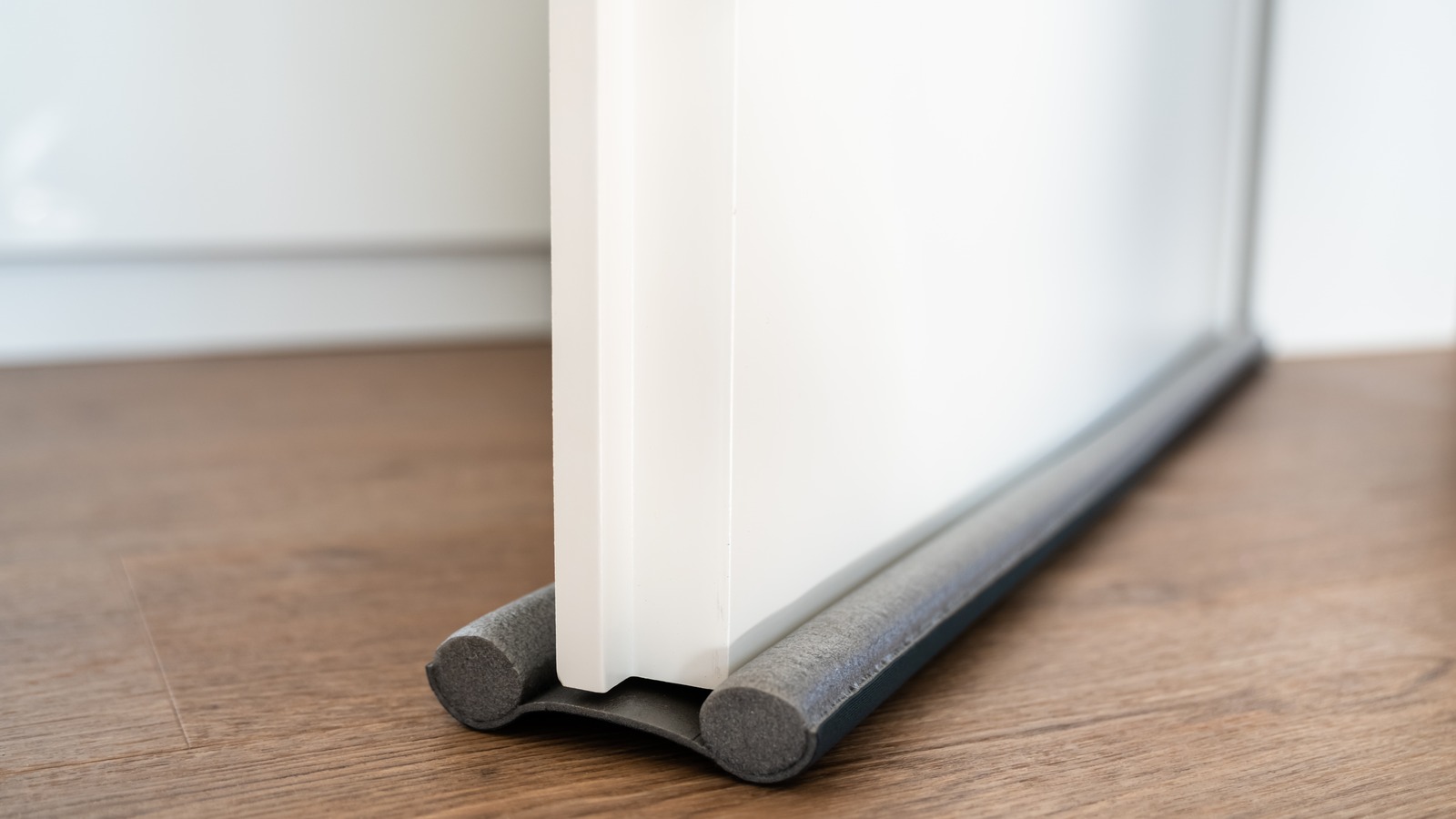
Once you've pinpointed the problem, the solutions are often surprisingly easy. For gaps around the door frame, weatherstripping is your best friend. There are many types, from simple peel-and-stick foam tape to more durable V-seal strips. For the bottom of the door, a door sweep or a fabric draft stopper (you can even make one from an old towel!) works wonders. Small cracks in the door frame itself can often be sealed with a bead of caulk. Don't forget those less obvious spots like keyholes – a simple magnetic cover can do the trick. By taking a little time to explore these simple fixes, you're not just sealing a door; you're creating a warmer, more comfortable, and more efficient haven for the winter ahead. Happy sealing!