
How To Seal Cold Air From Doors
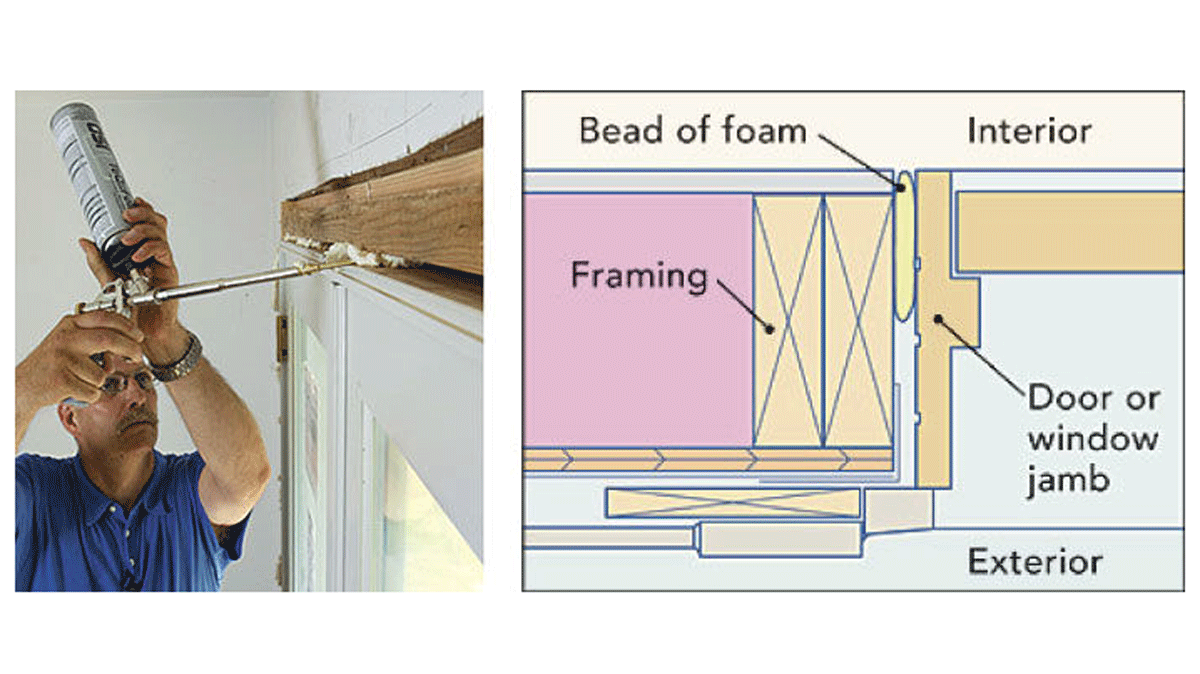
Alright, settle in, grab a warm beverage, because we're about to tackle one of life's most persistent and annoying little problems: that sneaky, soul-chilling draft creeping in from under your doors. You know the one. You're snuggled up on the couch, wrapped in your coziest blanket, convinced you're living your best hygge life, and then BAM! A frigid gust whips past your ankles, instantly transforming your living room into an arctic tundra. It's not just uncomfortable; it's practically a declaration of war on your heating bill!
Why Bother Battling the Brrr?
Good question! Besides the obvious fact that nobody enjoys feeling like they're camping indoors when they're actually trying to watch Netflix, there are some pretty compelling reasons to seal up those gaps. First off, it's about comfort. Pure and simple. No more doing the "cold foot shuffle" across your own floor.
Secondly, and this is where your wallet starts cheering, it's about saving money. A lot of money. Did you know that drafts can account for up to 30% of your home's heat loss? That's right, you're literally paying to heat the great outdoors! Think of all the extra lattes or impulse buys you could make with that saved cash. Your heater works overtime, your energy bills skyrocket, and for what? To make the squirrels outside feel a little warmer? No thank you!
Must Read
The Usual Suspects: Where Cold Air Hides
Before we launch our full-scale anti-draft operation, we need to know our enemy. Where exactly does this invisible, chilling foe sneak in? Mostly, it's around your doors. We're talking:
- Underneath the door: The most notorious villain.
- Around the door frame: Especially if your house has settled (or perhaps had a particularly enthusiastic dance party a few decades ago).
- Between the door and the frame (the jamb): When your door isn't snug against its frame.
It's like playing "Where's Waldo?" but Waldo is a frigid gust of wind and he’s hiding everywhere!
Easy Peasy: Your First Line of Defense
Let's start with the low-hanging fruit, the quick wins that make an immediate difference. You don't need to be a DIY guru with a garage full of power tools for these; just a can-do attitude and maybe some scissors.

1. Weatherstripping: Your Door's New Best Friend
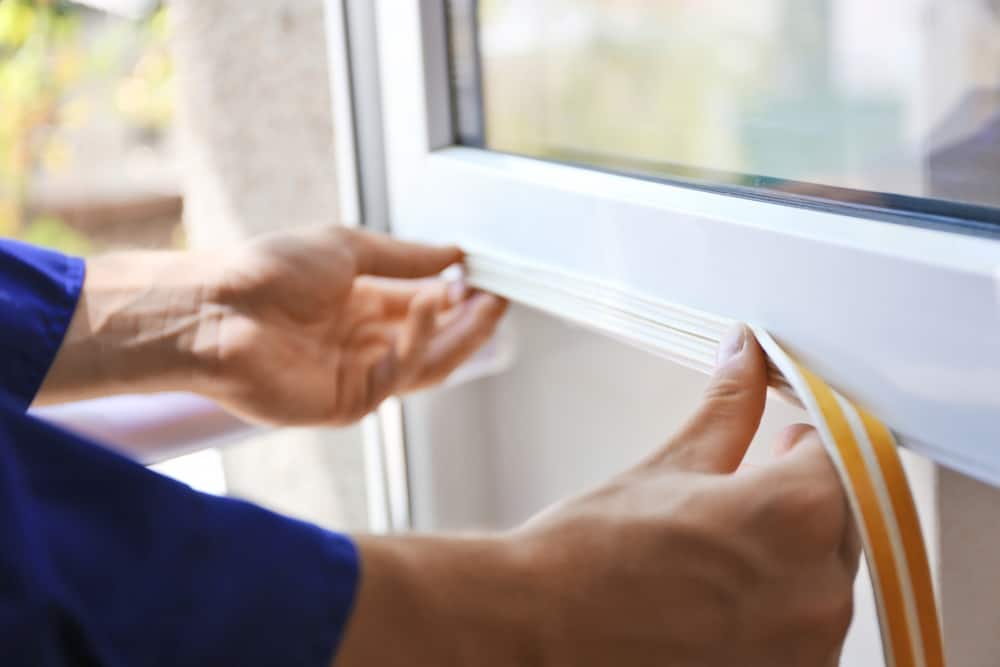
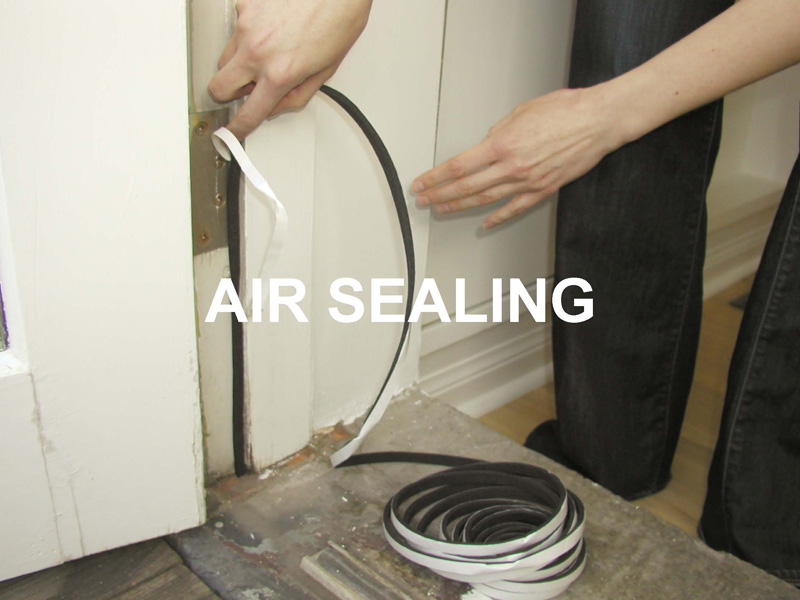
This is probably the most common and effective solution. Weatherstripping acts like a gasket, creating a seal between the door and the frame when it's closed. There are a few types, and they're all pretty user-friendly:
- Self-Adhesive Foam Tape: The simplest. Just peel and stick along the door frame where the door meets it. It's cheap, effective, and feels like a tiny, squishy superhero. Make sure the surface is clean and dry first!
- V-Seal (or Tension Seal): This one looks like a "V" when flattened. It's pressed into the door jamb and springs open to create a seal. A bit more durable than foam.
- Tubular Gasket: These are hollow tubes, often made of rubber or vinyl, that are tacked or glued to the frame. They compress when the door closes, creating a fantastic seal. They're like the big, beefy security guards of the weatherstripping world.
Applying weatherstripping is surprisingly satisfying. You'll feel a sense of accomplishment usually reserved for baking a perfect soufflé or finally understanding your tax forms.
2. Door Sweeps (or Bottom Seals): The Bouncer for Cold Air
For that persistent gap underneath your door, a door sweep is your champion. These are usually strips of plastic, metal, or vinyl with bristles or a rubber flap that attach to the bottom of your door. When the door closes, the sweep rubs against the floor, effectively blocking the gap.
Installation is typically a breeze: measure, cut, screw it into place. Voilà! No more icy drafts making a bee-line for your slipper-clad feet. Plus, they often help keep dust and creepy crawlies out too – double win!
3. The Ever-Reliable Door Snake (or Draft Stopper)
This is the classic, the OG, the solution your grandma probably used. A door snake is simply a long, cylindrical pillow filled with rice, sand, or even old socks, placed at the bottom of the door. While not as permanent as a door sweep, it's incredibly effective and takes literally zero installation skills.
You can buy them in all sorts of cute patterns, or, for the truly resourceful, make one yourself from an old pair of jeans and some dry rice. It's like a fluffy, fabric security guard for your door, way more effective than trying to bribe the cold air with warm thoughts.
Stepping Up Your Game: Slightly More Involved (But Still Totally Doable!)
Ready to get a little bit more hands-on? These next few steps will seal your doors like a bank vault (but, you know, a cozy one).
4. Caulking: The Magic Sealant Paste
If you have gaps between your door frame and the wall itself, caulk is your best friend. This flexible sealant comes in a tube and is applied with a caulking gun. It's fantastic for filling those tiny cracks where air can sneak through.
Again, the key is a clean, dry surface. Cut the tip of the caulk tube at a 45-degree angle, apply an even bead along the crack, and then smooth it out with a wet finger (or a caulking tool) for a professional finish. It dries, it seals, it makes you feel like a home improvement wizard. Just try not to get it in your hair – speaking from experience, it’s not a good look.
5. Adjusting the Strike Plate: A Tiny Screw, a Mighty Difference
Sometimes, your door just isn't closing tightly enough against the weatherstripping. The strike plate is the metal plate on the door frame that the door latch slides into. If it's too far out, the door won't compress against the frame, leaving a gap.
You can often adjust it by loosening the screws and moving the plate slightly deeper into the jamb. Even a millimeter or two can make a huge difference in how snugly your door latches and how effectively your weatherstripping works. It’s like giving your door a nice, firm hug.
The "Ninja" Tactics: Pro Tips and Unexpected Hacks
Want to truly master the art of draft-busting?
6. The Candle Test (or Incense Stick Test)
This is a classic for a reason. On a breezy day, light a candle or an incense stick and slowly move it around the perimeter of your closed door, including under the door. If the flame flickers wildly or the smoke trails horizontally, you've found a draft! It's an old-school, low-tech way to pinpoint those invisible air leaks. Just be super careful with open flames!
7. Don't Forget the "Door within a Door"
Mail slots and pet doors are adorable portals for packages and furry friends, but they're also excellent conduits for cold air. For mail slots, consider a magnetic flap cover or a brushed insulation strip. For pet doors, look for models with double flaps or magnetic seals. Otherwise, Fido's entry point becomes an express lane for winter winds!
Your Warm, Cozy Conclusion
So there you have it! Battling the cold air from your doors doesn't require a degree in engineering or a massive budget. With a few simple tools, some readily available materials, and a little bit of effort, you can transform your home from a breezy barn into a warm, inviting sanctuary.
Say goodbye to frosty ankles and hello to lower heating bills. Your toes (and your bank account) will thank you. Go forth, brave draft-slayer, and reclaim your home's warmth!