How To Save Energy In Your Home
Okay, confession time. Just a few months ago, I got my electricity bill and nearly choked on my morning coffee. It was... well, let's just say it looked like I was running a small data center in my living room, not just binge-watching a questionable amount of reality TV. My first thought? "Did a family of yetis move into my freezer and leave the door open?" My second, more rational thought? "There has to be a better way."
And guess what? There totally is! Turns out, saving energy in your home isn't some mythical quest reserved for off-grid gurus. It's actually a collection of pretty simple habits that, when added up, can make a huge difference to your wallet and, you know, the planet. Consider this your friendly, no-judgment zone guide to becoming an energy-saving ninja, one tiny step at a time.
Shedding Light (and Cost) on Lighting
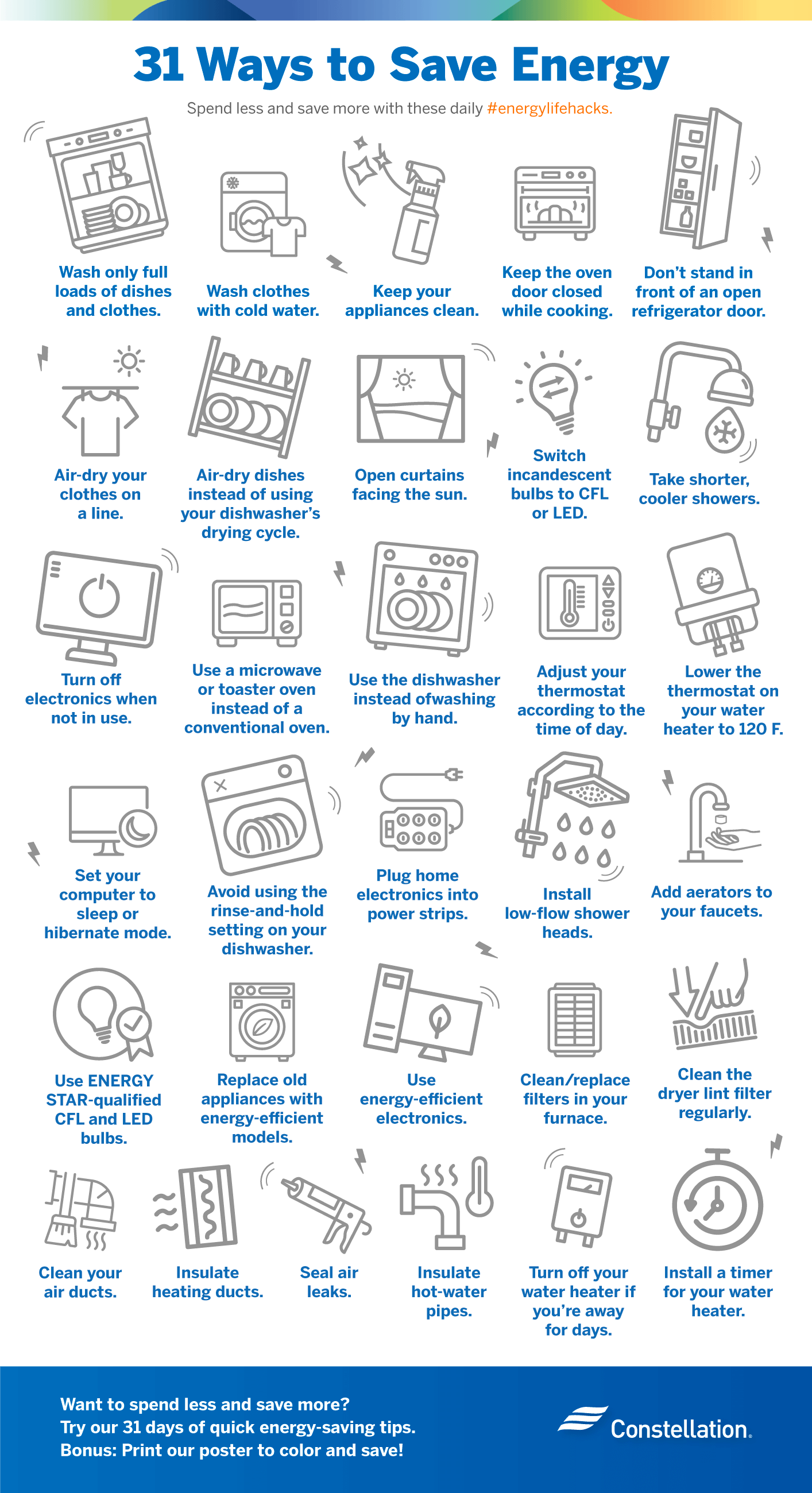
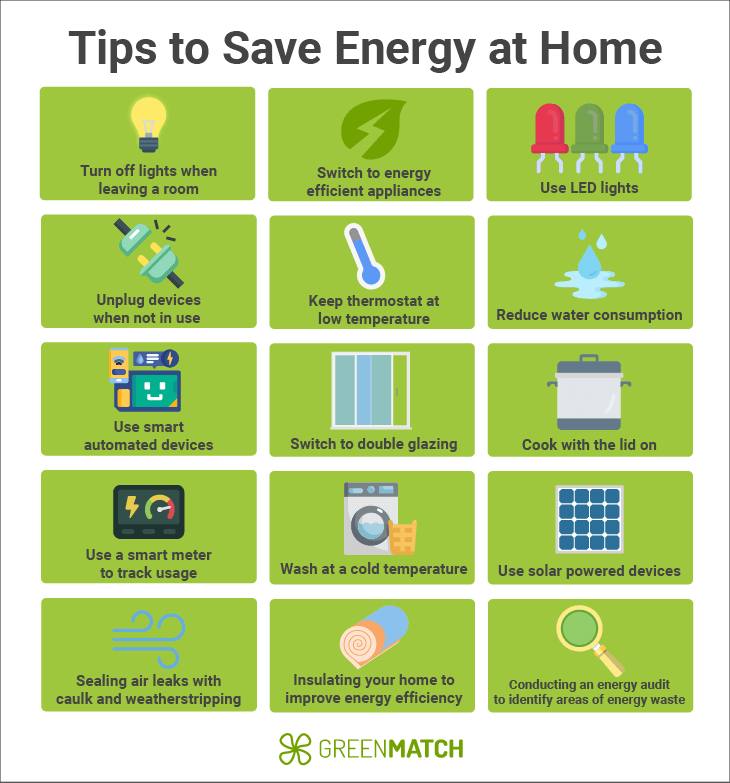
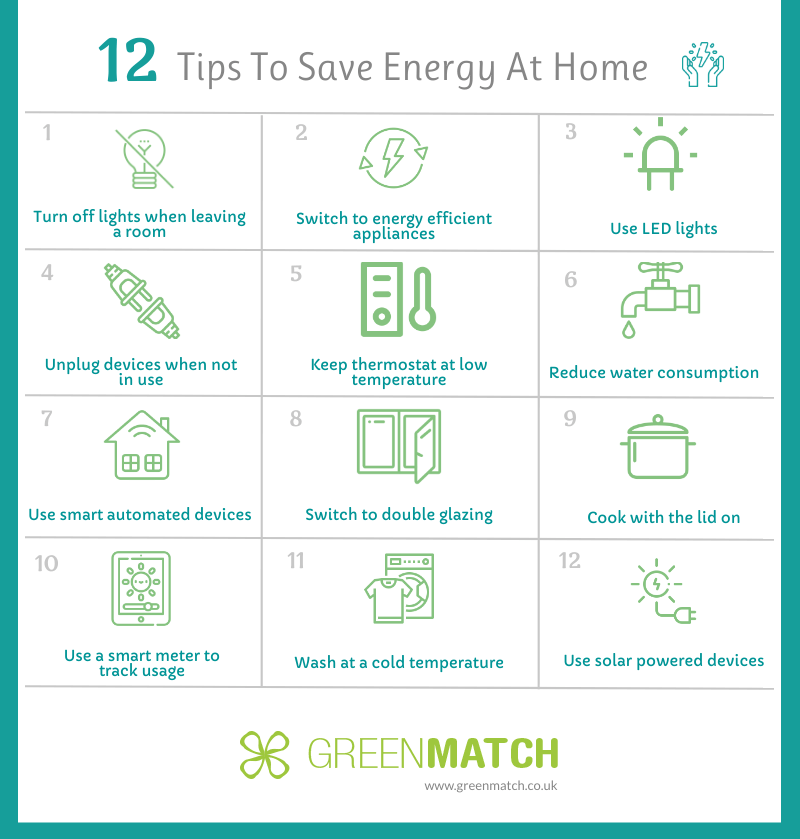
Let's start with the most obvious culprit: lights. We all leave them on sometimes, don't we? Don't worry, your secret's safe with me. But seriously, switching to LED bulbs is like upgrading from a flip phone to the latest smartphone – it’s a game-changer.
Must Read
Incandescent bulbs are energy guzzlers. They literally produce more heat than light, which is great if you're trying to toast marshmallows in your living room, but not so much for illumination. LEDs use a fraction of the electricity and last ages. Plus, there's a certain satisfaction in knowing your light bulb will probably outlive your pet goldfish.
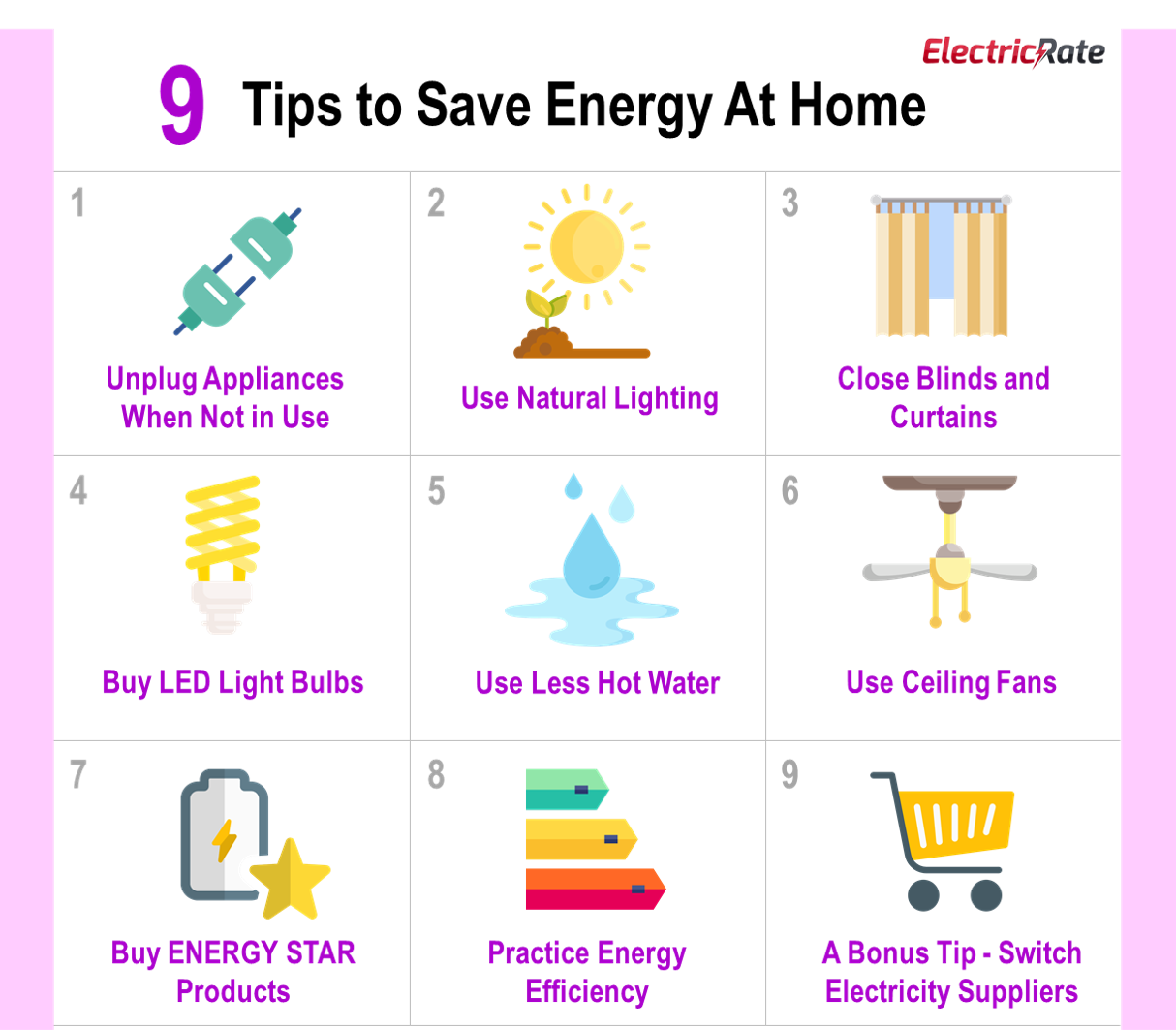
Beyond the bulbs, there's the simplest trick of all: turn off lights when you leave a room. Revolutionary, I know. Also, embrace natural light! Open those curtains and blinds. Let the sunshine in! Your plants will thank you, and so will your electricity meter.
Battling the Vampire Power Drain
Ever heard of vampire power? No, it's not a horror movie about appliances, though it might as well be. This refers to the electricity your electronics suck up even when they're turned off or in standby mode. Think about it: your TV, gaming console, laptop charger, coffee maker – all those little lights and clocks are quietly sipping power, 24/7. It's like they're just waiting for you to leave so they can throw a tiny, wasteful party.
The solution? Unplug them! Or, even better, use power strips with on/off switches. Plug all your entertainment center gadgets into one, and with a single flick, you cut off all those energy vampires. It’s oddly satisfying, like vanquishing tiny, electrical bloodsuckers.
Mastering Your Thermostat (and Drafts)
Ah, the thermostat. The king (or queen) of your home's energy consumption. Heating and cooling account for a massive chunk of your bill. The trick here is balance and a little bit of foresight.
Don't crank the heat to 80 degrees in winter and then open a window. (We've all been there, right?). Aim for a comfortable, but not scorching, temperature. In winter, try 68-70°F when you're home and active, and a bit lower when you're sleeping or out. In summer, set your AC a few degrees higher than you normally would – even just 2-3 degrees makes a difference.
Also, check for drafts. Windows, doors, even electrical outlets can let precious heated or cooled air escape. A little weatherstripping or caulk can go a long way. It's like giving your house a cozy, insulated hug.
Appliance Smarts: Work Smarter, Not Harder
Your appliances are powerful, but they can be power-hungry too. Here's how to be their boss:
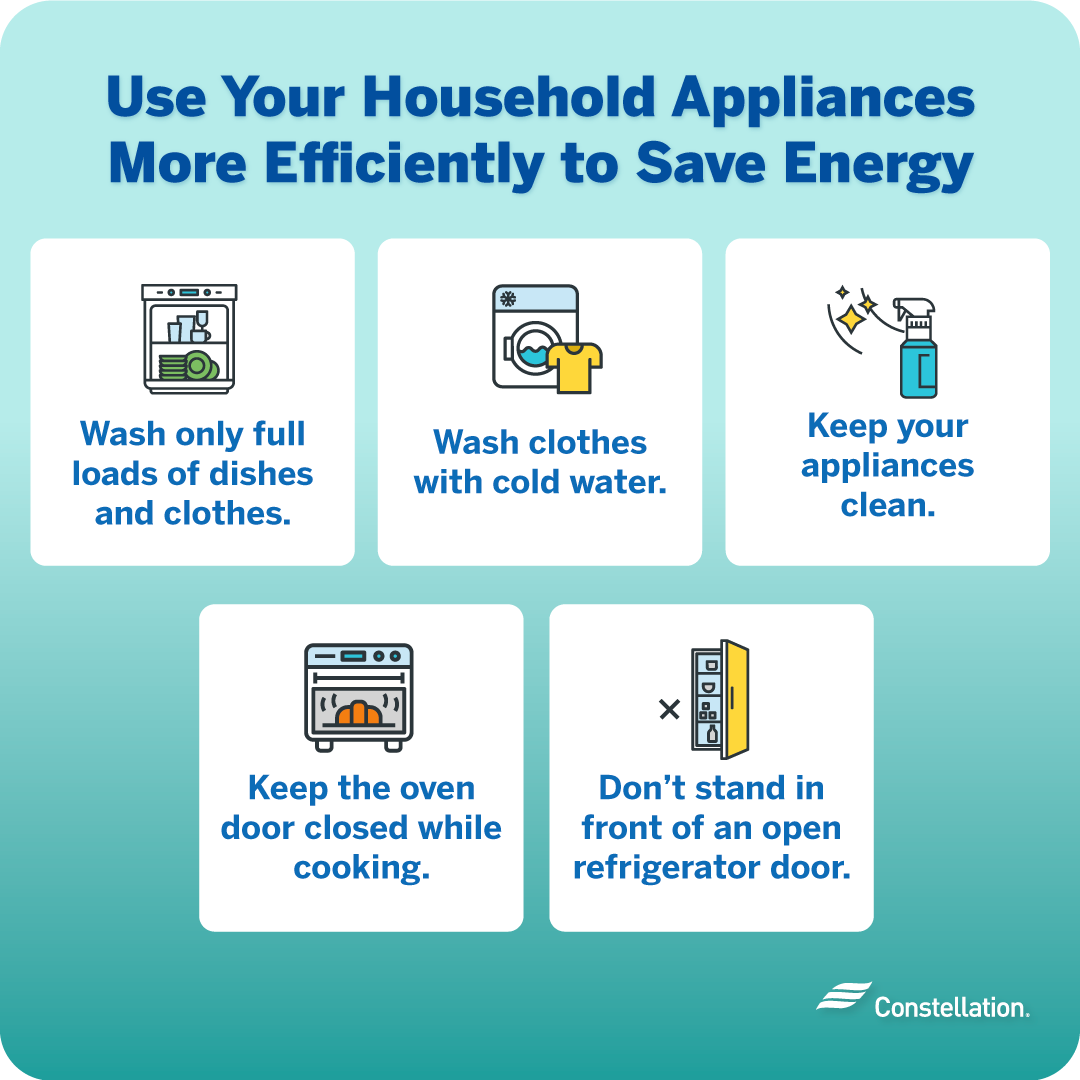
- Laundry & Dishwasher: Only run them when they're full. Partial loads are a massive waste of water and electricity. And for laundry, if you can, use cold water. Modern detergents are super effective even without hot water, saving you the energy of heating it up.
- Refrigerator: Keep it full (but not overly packed). A full fridge runs more efficiently because the food itself acts as insulation. Also, make sure the seals are tight. A dollar bill should hold firm when you close the door on it. If it slides out easily, you might need new seals.
- Oven: Ever opened the oven door every five minutes to "check" on dinner? Me too. Every time you do that, you lose about 25-50 degrees of heat, making your oven work harder to get back up to temperature. Resist the urge!
Water, Water, Everywhere... But Not Wasted
Heating water takes a lot of energy. So, let's be mindful of our H2O habits.
- Shorter Showers: I know, I know, sometimes a long, hot shower is pure bliss. But cutting just a few minutes off your daily routine adds up.
- Lower Water Heater Temp: Most water heaters are set to a super high temperature by default. You probably don't need it that hot. A setting of 120°F (around medium on most dials) is usually perfectly adequate and saves energy.
See? None of this is rocket science. It's just about being a little more aware of how we use energy in our homes. It’s about making small, consistent changes that collectively create a big impact. Not only will your bank account thank you for the extra cash, but you'll also be doing your part for a healthier planet. And who doesn't want to be an eco-conscious, money-saving superhero? Go forth and conserve!