
How To Reverse Direction Of Fan

Hey there, comfort connoisseur! Ever find yourself battling the elements inside your own home, wishing for that perfect Goldilocks temperature? We all know the struggle. Whether it's the dog days of summer making you melt or the first whisper of winter giving you the shivers, our homes are our sanctuaries. And guess what? Your trusty ceiling fan might just be your silent, spinning partner in crime – especially when you unlock its secret superpower: reversing direction.
That’s right! That whirring wonder above you isn’t just a one-trick pony. It’s a beautifully simple piece of engineering designed to make your life more comfortable, year-round. But often, we set it and forget it, missing out on half its potential. Let’s dive into how to reverse your fan and why it’s a game-changer for your cozy abode and your energy bill!
Why Reverse Your Fan? It's All About Airflow and Energy!
Think of your ceiling fan as a mini maestro of airflow. Depending on which way its blades spin, it can either create a blissful breeze or gently redistribute warmth.
Must Read
During the summertime, you want your fan blades to spin counter-clockwise. This pushes air down, creating that lovely, refreshing downdraft that feels like a constant gentle breeze. It makes you feel cooler, often allowing you to raise your thermostat by a few degrees without sacrificing comfort, which means big savings on your AC bill. It's a classic summer staple, like ice cream or a good beach read!
Come winter, however, you want the opposite effect. Reversing your fan so the blades spin clockwise at a low speed will draw cool air up, gently pushing warm air (which naturally rises) down and out towards the walls. This creates an updraft, circulating the warm air that's pooled near the ceiling back down into the living space. You won't feel a direct breeze, but your room will feel noticeably warmer, helping your heating system work more efficiently. It’s like giving your furnace a little helper elf!

The How-To: A Simple Flip for Big Comfort
Ready to unleash your fan’s full potential? It’s surprisingly easy, usually taking less than five minutes.
Step 1: Safety First, Always! This is the most crucial step. Before you do anything, ensure the fan is completely turned off and that the power to the fan is disconnected at the wall switch or, even better, at the circuit breaker. We’re dealing with electricity and moving parts, so safety is paramount! Don’t skip this.

Step 2: Locate the Reversal Switch Most ceiling fans have a small, discrete slide switch located on the motor housing, usually just above the fan blades. You might need to climb on a sturdy step stool (please, no wobbly chairs!) to get a good look. This little guy is your magic button.
Pro Tip: Some newer or smart fans might have this function integrated into a remote control or a wall switch. If you can’t find a physical switch on the fan itself, check your fan’s manual or do a quick online search for your specific model.
Step 3: Flip the Switch! Once you’ve found the switch, simply slide it to the opposite position. It’s usually a clear toggle, moving from one side to the other. You might hear a small click. That’s it! The deed is done.
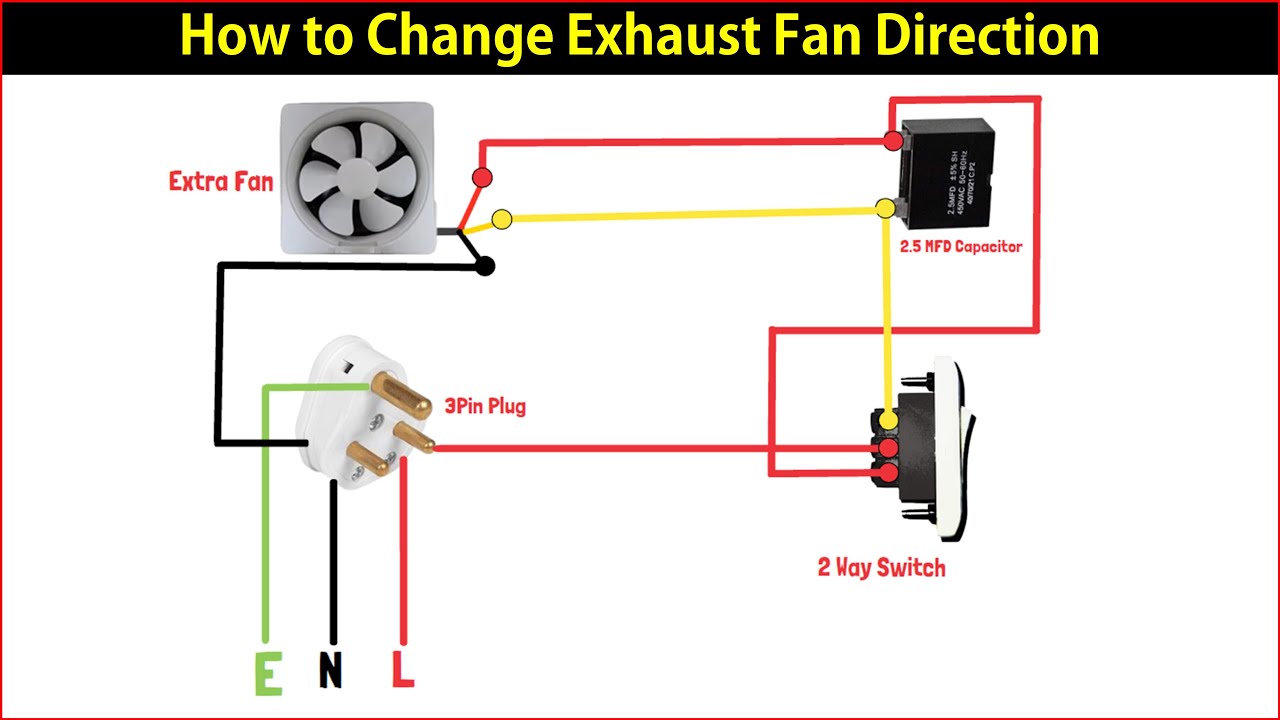
Step 4: Power On and Observe Restore power to your fan. Turn it on to a low speed. Stand directly underneath it and feel the air. For summer, you should feel a distinct downward breeze. For winter, you shouldn't feel a direct breeze, but you might notice the air feeling generally warmer or more evenly distributed in the room. If it's not right, simply repeat the process, ensuring the power is off first!
Fun Fan Facts & Cultural Tidbits
Did you know ceiling fans have been around since the late 1800s? The very first electric ceiling fan was invented in 1882 by Philip Diehl. Talk about staying power! They’ve been a staple in homes from tropical verandas to modern open-plan living spaces ever since. And for good reason – they offer comfort without the hefty energy bill of an air conditioner or the bulk of a space heater.

In many cultures, especially in warmer climates, the ceiling fan is more than just an appliance; it's a social hub, a focal point of gathering spaces where conversations flow as freely as the air it circulates. It’s a quiet testament to simple, effective design.
When to Make the Switch?
There’s no hard and fast rule, but generally, when you start thinking about turning on your heating for the season, it’s time to flip your fan to clockwise. And when the pollen count rises and you're reaching for the AC remote, switch it back to counter-clockwise. It's all about listening to your home and your body.
Reversing your ceiling fan might seem like a tiny task, a minuscule detail in the grand scheme of homeownership. But it’s these little tweaks, these moments of intentional living, that truly transform a house into a haven. It’s a subtle nod to efficiency, a quiet commitment to comfort, and a brilliant way to make the most of what you already have. So go ahead, give your fan its seasonal glow-up. Your comfort (and your wallet) will thank you!