
How To Replace The Battery On A Watch
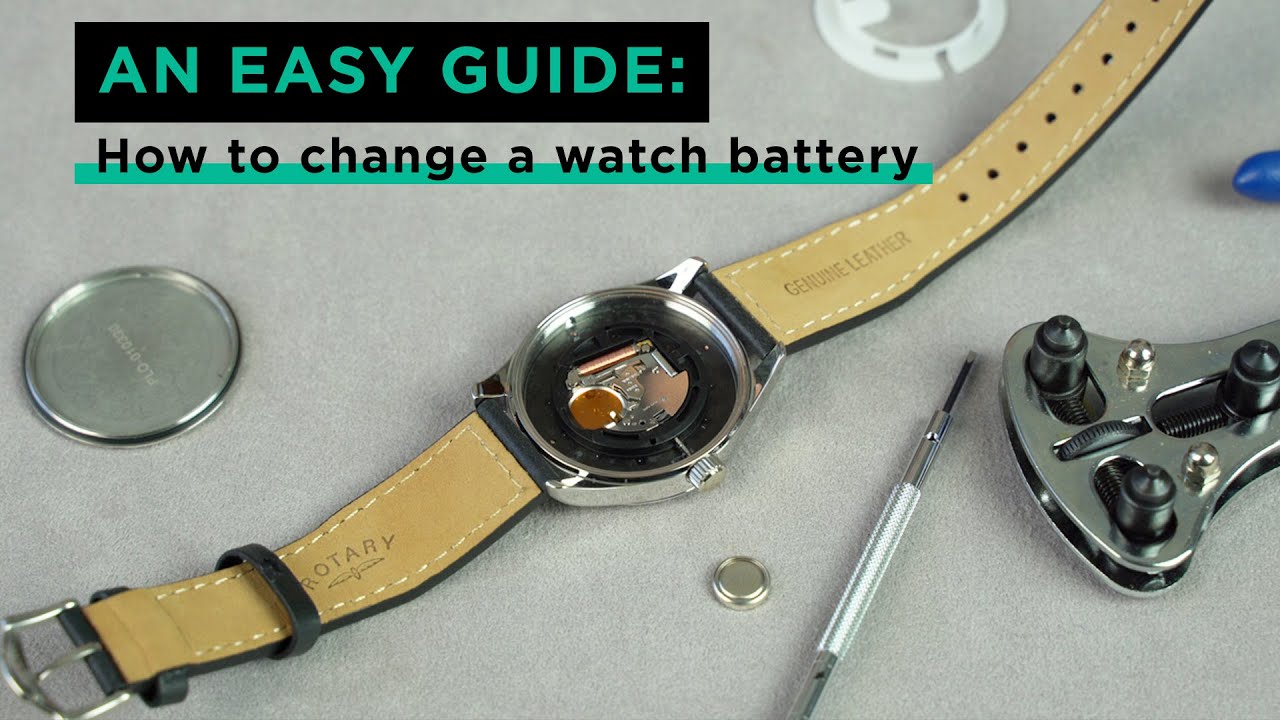
We all have that one watch, don't we? Not necessarily the fanciest, but the one that feels like an extension of your own story. It might be a gift from someone dear, a souvenir from an unforgettable trip, or just that reliable companion through countless days.
Then, one day, it happens. You glance down at your wrist, and silence. The sweep of the second hand, once so constant, has come to a halt. It’s more than just a broken object; it feels like a tiny piece of your daily rhythm has stopped too.
My own beloved timepiece, a simple, elegant watch I'd worn for years, succumbed to this very fate. Its gentle hum, its steady pulse, simply ceased. I remember the pang of disappointment, a quiet sigh for a trusted friend gone silent.
Must Read
My first thought, like many, was the usual routine: take it to a jeweler. Envisioning the trek, the waiting, the inevitable bill that often feels disproportionate to such a tiny item, a different thought began to bubble up. A mischievous, almost daring idea.
What if I could fix it myself? The notion felt both absurd and exhilarating. Could I, a person whose most complex DIY project involved assembling flat-pack furniture, breathe life back into something so intricate?
The internet, that boundless well of knowledge and wild ideas, beckoned. A quick search, and suddenly, a whole world of amateur horologists (that’s a fancy word for watch enthusiasts!) opened up. It seemed surprisingly doable for the average adventurer.
My first step wasn't a trip to a specialized tool shop, but a rummage through the kitchen drawer. I wasn't looking for a tiny watchmaker's screwdriver set. No, my mission began with far more humble implements.
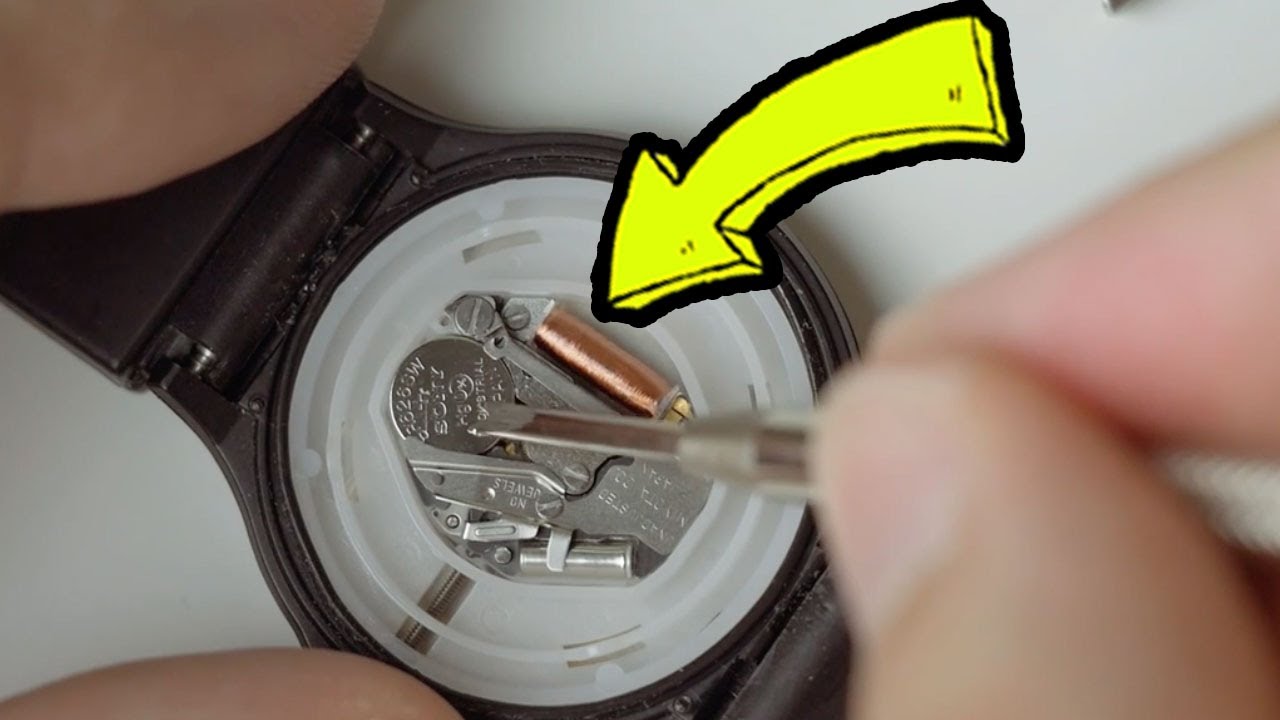
A small, thin-bladed butter knife became my precision instrument. A leftover plastic guitar pick, once used for strumming tunes, transformed into a gentle prying tool. This scavenger hunt already felt like a delightful secret mission.
The watch itself, a classic with a snap-off back, sat on a soft cloth on my kitchen table. It felt like preparing for a delicate operation. My heart gave a little flutter of anticipation, a mix of excitement and mild trepidation.
Holding the watch firmly, I carefully positioned the butter knife blade into the tiny notch on the watch back. It was a moment of quiet concentration, like a surgeon about to make the first incision. The pressure was gentle, yet firm.
Then, a tiny, satisfying click! The watch back popped open, not with a struggle, but with a polite invitation. It was a surprise, a small victory, hearing that sound for the first time outside of a professional setting.
Inside, a miniature landscape unfolded before me. Tiny gears gleamed, wires snaked around, and there, nestled in its own compartment, was the culprit: a small, silver button battery. It looked unassuming, yet held all the power.

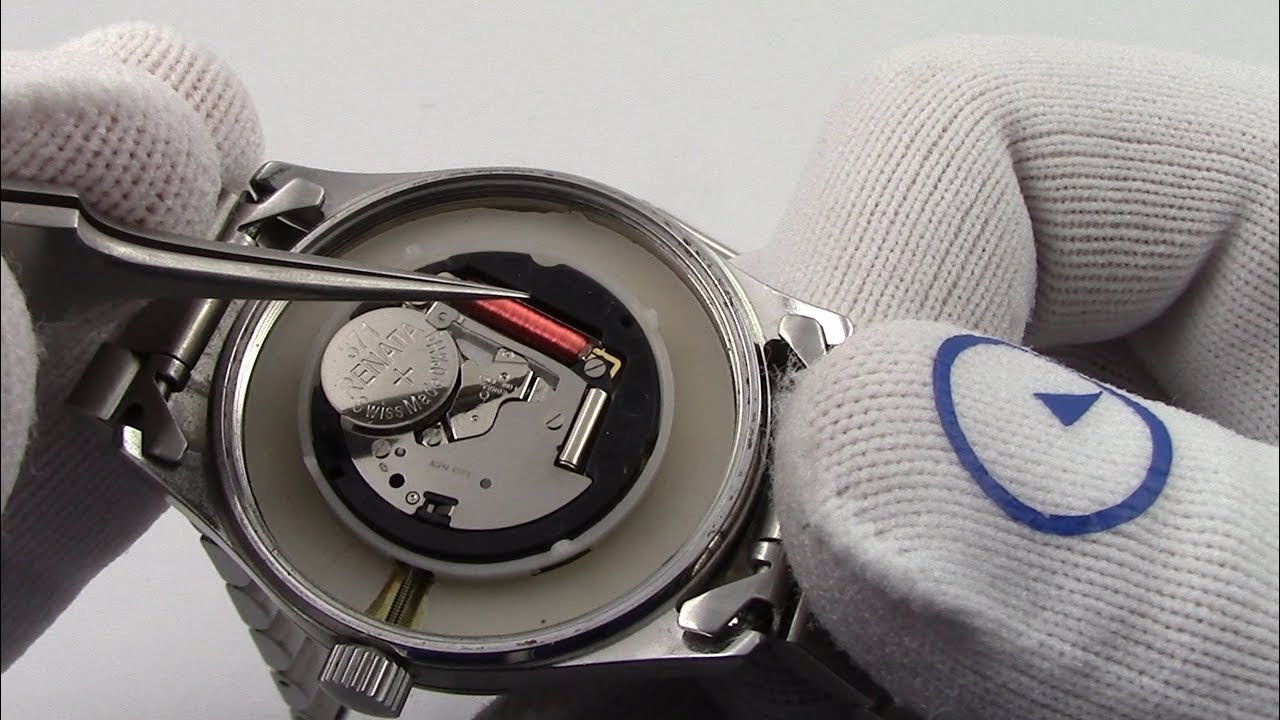
Removing the old battery was another delicate dance. Some watches have a tiny clasp or lever holding it in place. Mine simply required a gentle nudge with a toothpick, releasing it from its snug home.
Holding that spent battery felt oddly significant. This tiny disc had powered years of my life, marking countless moments. It was like holding a tiny, silent hero, now ready for its well-deserved retirement.
Next came the quest for the replacement. Armed with the old battery’s code, I headed to a local pharmacy. It felt like finding a rare jewel, comparing numbers and sizes on blister packs of various button cells.
The pharmacist, a kind soul, seemed amused by my excited pronouncements. "Yes! That's the one!" I exclaimed, holding up the tiny package like a trophy. It was a fresh spark of energy, waiting to be unleashed.
Back at my kitchen "operating room," the new battery felt almost sacred in my fingertips. Its silver surface gleamed, promising a return to life. I took a deep breath, ready for the transplant.
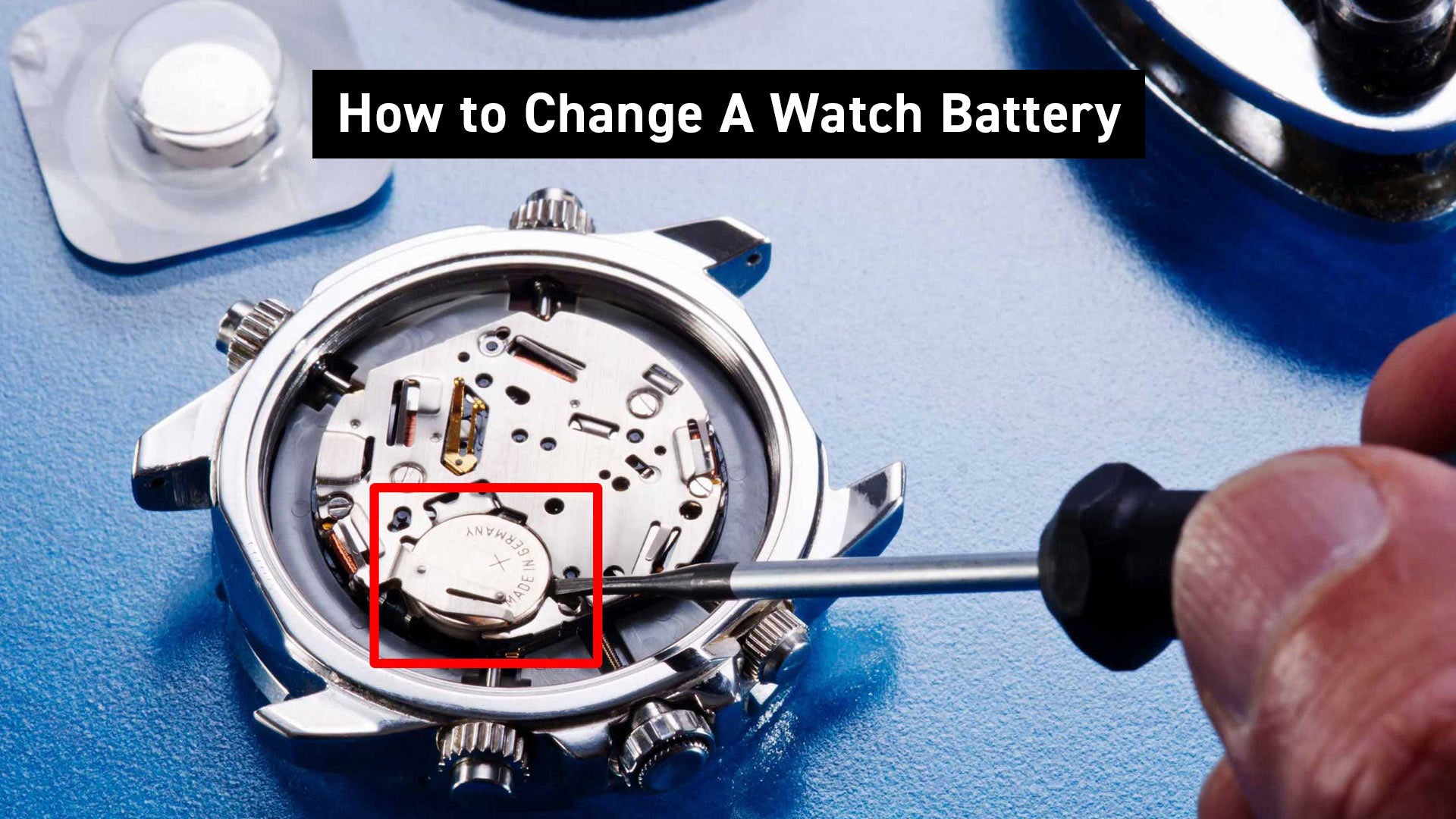
Carefully, ever so carefully, I positioned the new battery into its designated slot. It slid in smoothly, a perfect fit. I gave it a gentle press, ensuring it was secure, nestled back in its little home.
Then came the moment of truth. With the battery in place, I gently positioned the watch back over the opening. Alignment was key, making sure the tiny lip met the watch case perfectly. This part always feels like a tiny puzzle.
A firm, yet controlled, push with my thumbs, and another satisfying snap. The watch back was securely in place. It felt like closing a secret compartment, sealing in the magic I had just performed.
"And now, for the grand finale," I whispered to myself, heart thrumming with anticipation. Would it work? Had my amateur efforts truly succeeded?
I flipped the watch over. For a second, nothing. Then, a flicker. A tiny, almost imperceptible movement from the second hand. And then, a steady, rhythmic tick-tock, tick-tock!
Oh, the joy! The sheer, unadulterated delight that bubbled up was entirely unexpected. It wasn't just a watch ticking again; it was a personal triumph, a small act of defiance against the disposable nature of modern life.
My old friend was alive again, its silent vigil broken by the familiar rhythm. It felt more special, more mine, than it ever had before. I had personally coaxed it back to life, armed with nothing but curiosity and a butter knife.
The watch, once just a time-telling device, became a symbol. It represented the surprising capability hidden within us all, the satisfaction of a small, self-reliant victory. It made me smile every time I glanced at my wrist.
It’s a reminder that sometimes, the most complex-seeming tasks are surprisingly simple at their core. All it takes is a little courage, a dash of curiosity, and perhaps a repurposed kitchen utensil.
So, the next time your trusty watch falls silent, consider the adventure. You might just find a heartwarming story, and a renewed connection with an old friend, waiting to tick back to life on your very own kitchen table. It’s a journey worth taking.