
How To Reduce Total Harmonic Distortion From Generator

Hey there, power enthusiasts! Ever wonder what's lurking in the shadows of your generator's electricity? It's not gremlins, but something almost as mischievous: Total Harmonic Distortion (THD). Think of it like this: your generator is supposed to play a perfect, clean guitar riff (the pure sine wave). THD is like having a few out-of-tune strings buzzing along, muddying the sound. Sounds annoying, right?
But don't worry, we're going to demystify this electrical hiccup and explore how to tame it. Why should you care? Well, THD can mess with your sensitive electronics, reduce equipment lifespan, and even cause overheating. Nobody wants that! Let's dive into how to reduce Total Harmonic Distortion from your generator – it's easier than you might think.
Understanding the "Buzz" - What is THD Anyway?
Okay, let's break it down simply. Electricity from a generator ideally looks like a smooth, repeating sine wave. This is the "fundamental frequency" – the clean, pure tone. Harmonics are extra frequencies that are multiples of this fundamental. THD is a measure of how much these unwanted harmonics are distorting that perfect sine wave. The higher the THD, the dirtier the power, and the more likely you are to run into problems.
Must Read
Think of it like baking a cake. The fundamental frequency is the recipe itself. The harmonics? Those are the burnt edges, the uneven mixing, and maybe a stray eggshell. They change the flavor and texture, and not for the better!
So, How Do We Get Rid of the "Buzz"?
Alright, let's get practical. Here are some effective ways to reduce THD in your generator setup:
1. Load Management - Don't Overload Your Generator!
This is super important. Just like you wouldn’t try to stuff ten pounds of groceries into a five-pound bag, don't overload your generator. Overloading pushes the generator beyond its limits, causing it to work harder and increasing THD. Keep your load within the generator's rated capacity. Use a power meter to accurately measure what you're plugging in!
Consider staggering the startup of high-draw appliances like air conditioners or refrigerators. That initial surge can really spike the THD.
2. Upgrade Your Generator - Is it Time for a New Band Member?
Some generators are simply better than others when it comes to THD. Inverter generators, for example, are designed to produce much cleaner power than traditional generators. They electronically regulate the voltage and frequency, resulting in a smoother sine wave and lower THD. If you're powering sensitive electronics, an inverter generator is a fantastic investment.
Think of it like upgrading from an old, out-of-tune guitar to a brand new, precisely engineered instrument.
3. Add a Harmonic Filter - Like a Noise Cancelling Headphone for Your Power
Harmonic filters are devices specifically designed to remove or reduce harmonic distortion from the electrical signal. They act like a noise-canceling headphone for your power, blocking out the unwanted frequencies and letting the clean sine wave through.

There are different types of harmonic filters available, so do your research to find one that's compatible with your generator and your load. It's a bit like finding the perfect equalizer setting for your audio system.
4. Use an Automatic Voltage Regulator (AVR) - Keeping Things Steady
An AVR helps maintain a stable voltage output from your generator. Voltage fluctuations can contribute to THD, so keeping the voltage steady can help reduce distortion. Many modern generators come with built-in AVRs, but if yours doesn't, it's a worthwhile addition. It's like having a dedicated sound engineer constantly adjusting the levels to prevent clipping and distortion.
5. Grounding - It's All About Staying Grounded (Literally!)
Proper grounding is crucial for safety and can also help reduce THD. Make sure your generator is properly grounded according to the manufacturer's instructions. A good ground provides a path for unwanted currents to flow, preventing them from contributing to distortion. Think of it as providing a solid foundation for your electrical system.
Testing Your Progress - Is the Buzz Gone?
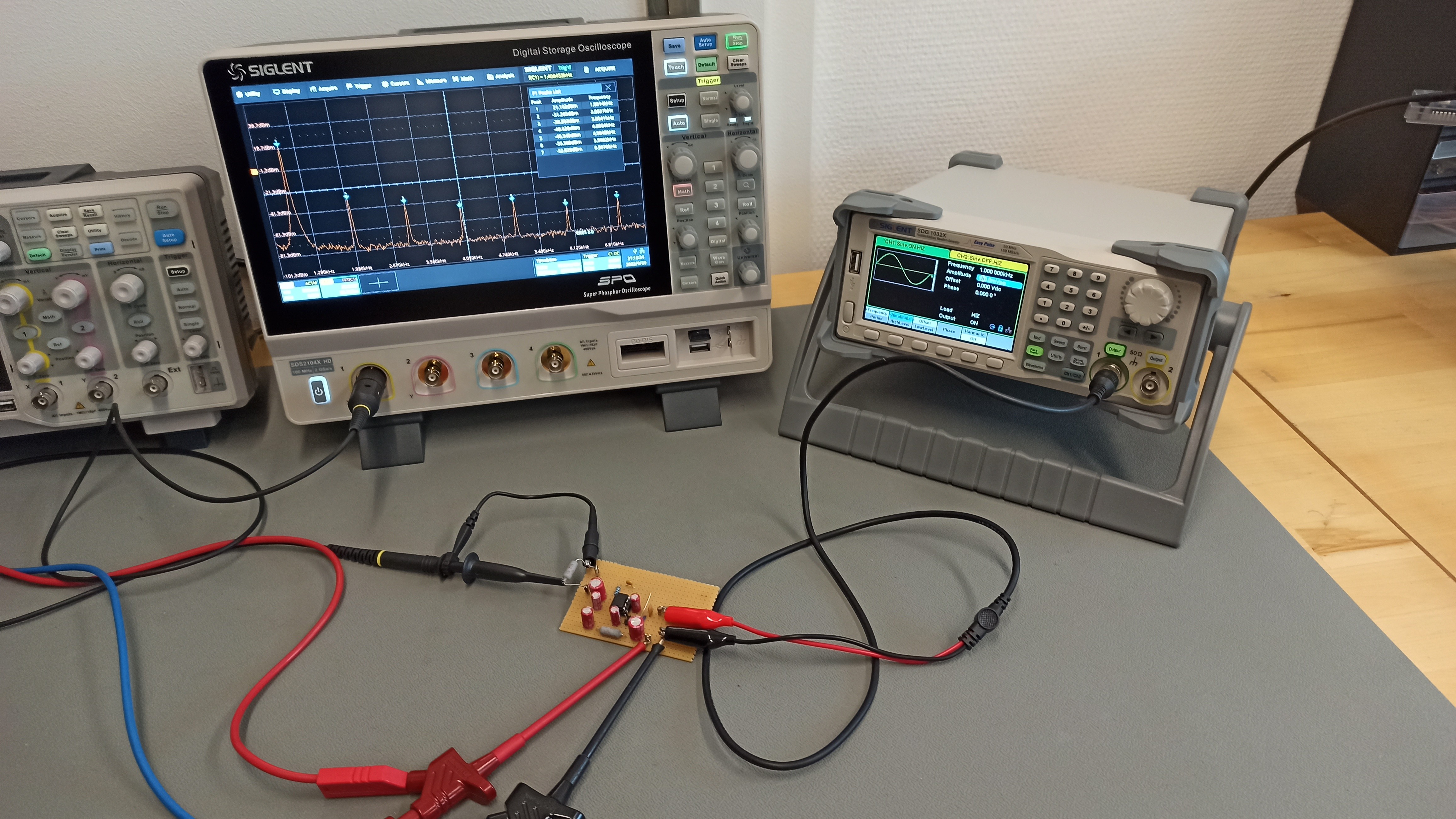
Once you've implemented some of these strategies, you'll want to check if they're working. You'll need a THD meter or a power quality analyzer to measure the THD in your generator's output. These devices will give you a reading of the THD percentage. Aim for a THD of 5% or less for most applications, and even lower for sensitive electronics.
Think of it as using a tuning fork to check if your guitar is in tune. You want that clear, pure tone!
Wrapping Up - Keep Your Power Clean!
Reducing Total Harmonic Distortion from your generator is a worthwhile effort that can protect your equipment, improve efficiency, and ensure a more reliable power supply. By understanding the causes of THD and implementing these simple strategies, you can keep your power clean and your electronics happy. So, go ahead, tame that "buzz" and enjoy the smooth, clean power your generator was meant to deliver!