
How To Reduce Demand Charges In Electricity Bill

Hey, friend! Ever looked at your electricity bill and felt like you needed a lie-down? Yeah, me too. Especially those demand charges! What are those things anyway? And more importantly, how do we make them... disappear? Or, at least, shrink a little?
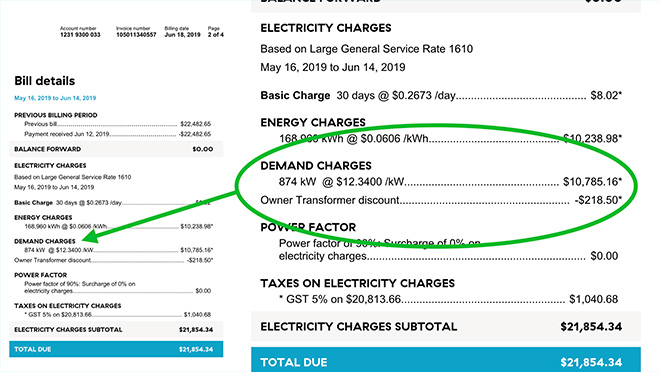
Well, grab your favorite mug (mine's got a picture of a sloth on it, naturally) and let's dive in. Think of demand charges like the electric company saying, "Hey, you could use a ton of power all at once, so we need to be ready for that! Pay up!" It's basically a fee for the potential to use a whole lotta juice.
What's the Deal with Demand Charges?
Okay, so the electric company needs to have enough capacity to handle everyone's peak usage. Makes sense, right? But that capacity costs money. Hence, demand charges. They’re usually based on your highest 15-minute (or sometimes 30-minute) energy usage during the month. Yep, just 15 minutes of power-hungry action can haunt your bill for the next 30 days. Ouch.
Must Read
So, How Do We Fight Back? (Without Starting a Revolution)
Alright, time for the good stuff! We're going to outsmart those demand charges, one appliance at a time. No, seriously.
1. Stagger Your Starts: This is the golden rule, folks! Don't turn on your oven, dryer, and dishwasher all at the same time. It's like overloading the power grid with a surprise party. Instead, spread them out. Run the dryer in the morning, the dishwasher after dinner, and bake that cake whenever you darn well please (just not when everything else is running!).

2. Be Smart About Your Appliances: Think about it: which appliances are the real power hogs? Your AC? Electric heater? Definitely. Consider upgrading to energy-efficient models when it's time to replace them. And use them wisely! Turn off lights when you leave a room (duh, but worth saying!). And for the love of electricity bills, unplug chargers when they’re not in use! Phantom power is a sneaky culprit.
3. Embrace the Timer: Timers are your friends! Program your appliances to run during off-peak hours. Many electric companies offer lower rates during certain times of day (usually at night or early morning). Your dishwasher and washing machine won’t care if they run while you’re snoozing, but your wallet sure will!
4. Talk to Your Electric Company: Don't be shy! Call them up and ask about demand-response programs. Some companies offer incentives for reducing your energy usage during peak times. You might even get a fancy smart thermostat or other gadgets. Free stuff? Yes, please!
5. Monitor, Monitor, Monitor: Knowledge is power, literally! Track your energy usage to see where your peak demands are. Many smart meters offer detailed usage data. Once you know what's causing those spikes, you can start to address them.

6. Consider a Home Energy Audit: Sometimes, you need a professional to come in and assess your energy situation. They can identify hidden energy drains and recommend solutions you might not have considered. It’s like a doctor’s appointment for your house… but for electricity.
7. Solar Power (Maybe?): Okay, this is a bigger commitment, but if you're serious about reducing your electricity costs, solar panels can be a game-changer. Plus, you get to feel all warm and fuzzy about saving the planet. Just do your research and make sure it's a good fit for your situation.
Final Thoughts (and a Warning!)
Reducing demand charges isn't a sprint, it's a marathon. It takes a little effort and planning, but the savings can be significant over time. So, don't get discouraged if you don't see results overnight. Just keep tweaking your energy habits and you'll get there.
A Word of Caution: Don't try to get too clever and start messing with your electrical system yourself. That's a recipe for disaster (and potentially a very shocking experience… literally!). Leave the serious electrical work to the professionals.
Now go forth and conquer those demand charges! You got this! And remember, a little bit of planning can save you a whole lotta green. Happy saving!