How To Read Manufacture Date
Ever felt like you're staring at a secret code when you pick up a product? You know, those tiny numbers and letters that seem to hold some hidden meaning? Well, my friend, you've stumbled upon the wonderfully useful world of reading manufacture dates! It might sound a bit dry, but trust me, it's actually a pretty fun and empowering skill that can save you hassle, money, and even keep you safer.
So, why bother becoming a decode detective? For everyday beginners, it's all about making smart choices. Knowing when a product was made helps you ensure you’re getting the freshest food, the most effective cosmetics, or batteries that aren’t already half-expired. For families, this skill becomes invaluable. Imagine easily checking the production date on baby formula, a child’s toy for potential recalls based on manufacturing batch, or understanding the lifespan of a car seat. And for hobbyists or collectors, reading these dates can be crucial for authenticating items, understanding production runs, or identifying rare versions of collectibles. It's like having an inside scoop on every item you touch!
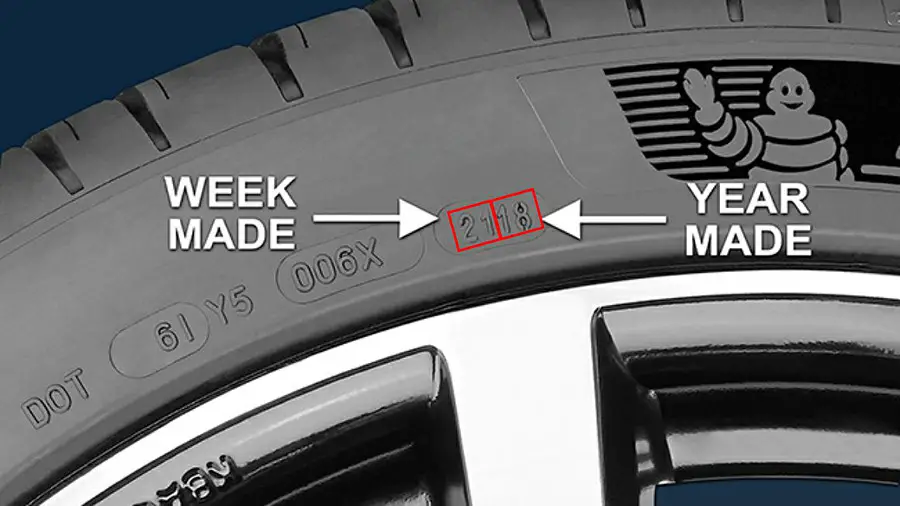
The beauty (and sometimes the challenge) is that manufacture dates come in many guises. You'll often see straightforward formats like DD/MM/YYYY (day/month/year) or MM/DD/YYYY. Sometimes it’s a simple YYYY-MM-DD. But then there are the trickier ones! Some manufacturers use Julian dates, which might look like a five-digit number, say "23045." This usually means the 45th day of the year 2023. Other times, the date might be embedded within a batch code or lot number, which requires a quick online search for that specific brand's decoder. You’ll find these codes stamped, printed, or even laser-etched on packaging, directly on the product itself (like the bottom of a bottle or the sidewall of a tire), or on an internal label. Don't forget to check the less obvious spots like inside flaps or under lids!
Must Read
Ready to give it a try? Here are some simple, practical tips to get you started. First, look for keywords like "MFG," "DOM" (Date of Manufacture), or "PROD." These are often direct clues. Second, if you see a string of numbers that doesn't immediately make sense, try to identify the year first. It's often the easiest part to spot (e.g., '22' or '2023'). Third, if you're truly stumped by a complex batch code, a quick online search for "[Brand Name] batch code decoder" can work wonders. Many companies provide this information on their websites. Finally, practice makes perfect! Start with something easy like a food item in your pantry, then move on to cosmetics or even electronics. You'll quickly get a feel for common patterns.
Decoding manufacture dates isn't just about avoiding an expired yogurt; it's about gaining a little bit of control and knowledge in a world full of hidden information. It's a tiny, satisfying victory every time you successfully decipher a code, making you a smarter shopper and a more informed consumer. So go ahead, unleash your inner detective – your pantry, your wallet, and your peace of mind will thank you!