How To Read Gauge On Oil Tank
Imagine this: A frosty winter evening, you're snuggled up with a warm beverage, perhaps a furry friend, enjoying the delicious warmth radiating through your home. Bliss, right? Then, a tiny shiver, a faint chill, and a sudden, terrifying thought punches through your cozy bubble: "How much oil is left in the tank?!" Panic? Dread? Frostbite? Absolutely not! Today, we're going to turn that moment of uncertainty into a moment of pure, unadulterated empowerment. You're about to become an absolute superhero of home heating, armed with the most powerful knowledge of all: how to read that mysterious little gadget on your oil tank. Forget deciphering ancient scrolls or navigating complex spreadsheets; this is easier than making toast!
Finding Your Tank's Secret Eye
First things first, you need to find this mystical device. It's usually perched right on top of your oil tank, often looking a bit like a small, round clock face or a tiny thermometer. Sometimes it's tucked away in a basement corner, other times it's bravely facing the elements outside. It's not hiding in plain sight like a chameleon, but sometimes it feels that way! Your mission, should you choose to accept it, is to locate this unassuming hero. Don't worry, it won't bite! It’s your tank's very own little eye, constantly keeping tabs on its precious golden liquid. Give it a gentle wipe if it's dusty – you want a clear view of its wisdom!
The Numbers Game: Decoding Your Tank's Wisdom
What Those Markings Mean
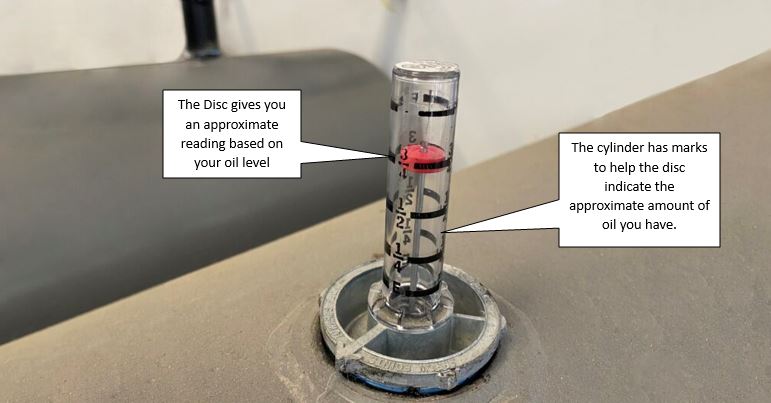
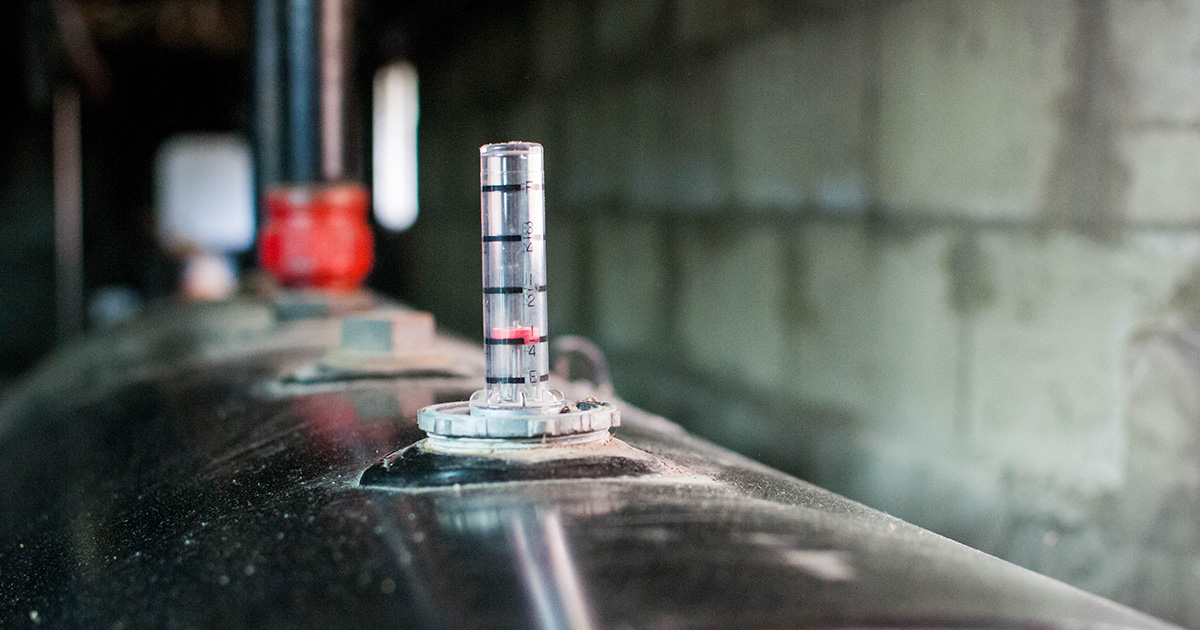
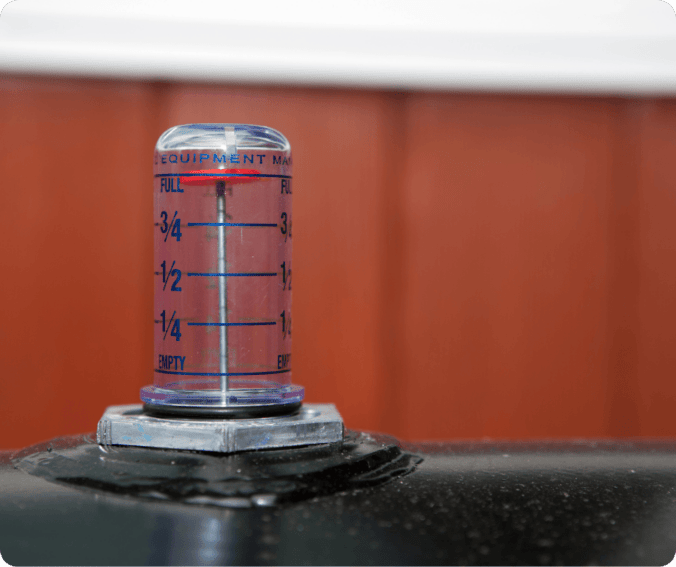
Now, let's look at what that "eye" is showing you. Most gauges are delightfully simple. Forget advanced calculus or quantum physics; this is elementary school stuff! You'll likely see markings like F (for Full, woohoo!), 3/4, 1/2, 1/4, and then, the dreaded E (for Empty, gasp!). Think of it just like the fuel gauge in your car. When it's full, you're ready for a cross-country adventure. When it's hovering near empty, you're probably pulling over to the side of the road, right? It’s the same glorious principle. I like to think of it as my tank's mood ring, always reflecting its current fuel emotions.
Must Read
Meet Your Pointer Pal
Inside that little round window, you'll spot a tiny needle or a float. This is your tank's trusty little pointer pal, always telling the truth (unless it's stuck, but we'll get to that!). This isn't some fancy smart device with flashing lights; it's wonderfully old-school. It's essentially a tiny buoy inside your tank, connected to that pointer on the outside. As the oil levels drop, this needle gracefully glides down from F towards E. It’s like a tiny, silent reporter, constantly updating you on your oil situation without ever demanding a coffee break.
What Your Gauge is Really Yelling (Lovingly) At You
Let's translate those readings into actionable intelligence, because knowing is half the battle, and staying warm is the other half!

- F (Full): Ah, sweet victory! Your tank is brimmin' with goodness. You've hit the jackpot! Your tank is practically singing with joy, and you're set for a good long while. Kick back, relax, and enjoy that boundless warmth!
- 3/4 or 1/2: You're cruising comfortably! Smooth sailing ahead! You're in the comfort zone, gliding along like a well-oiled machine. Plenty of oil to keep the home fires burning brightly. No immediate worries, but maybe a mental note to keep an eye on it in the coming weeks.
- 1/4: Ding, ding, ding! This is your friendly little nudge from the universe. Now, this is where your inner heating hero truly shines! It's time to start thinking about ordering more oil. Don't procrastinate! You wouldn't wait until your car sputters on fumes, would you? Think of it as the yellow light at a traffic intersection – not time to slam on the brakes, but definitely time to pay attention and plan your next move.
-
Below 1/4 (especially 1/8): Alright, let's call this the yellow alert zone that's quickly turning crimson. This isn't a drill, folks! This is the 'Houston, we have a problem' stage. You're getting into the danger zone, and it's time to call your oil company yesterday!
"Don't play chicken with your oil tank! Running completely out isn't just chilly; it can cause air pockets in your lines, which is a bit of a headache (and an extra service call!) to fix. Plus, the crud at the bottom of your tank could get sucked into your system. Nobody wants that!"
Trust us, you want to avoid that late-night "oh no!" moment where you're wearing three sweaters indoors. - E (Empty): Gulp! If your gauge is staring you down at E, it means you've officially joined the "Oh-crap-I-ran-out-of-oil" club. This is the 'oopsie-daisy, I'm wearing three sweaters indoors' stage. It's chilly, it's inconvenient, and it could have been avoided with a quick peek at that handy gauge! Call your oil company immediately and prepare for a potential emergency delivery (which might cost a bit more, just sayin', because they have to rush to your rescue!).
Pro Tips for the Newly Minted Gauge Guru
Being an oil tank guru isn't just about reading; it's about being proactive.
- Check Regularly: Make it a habit! Once a week or every other week, especially in colder months. It takes literally two seconds and saves you a world of frosty trouble.
- Order Early: As soon as you hit that 1/4 mark, pick up the phone or hop online. Delivery times can vary, and you don't want to be caught out in the cold, waiting for the oil fairy to make a special trip.
- Stuck Gauge?: What if your gauge is perpetually stuck on Full or seems to never move? Or maybe it's just plain broken, like a watch that always reads noon. Don't ignore it! A stuck gauge is like a broken compass – totally unhelpful. It's time to call in a professional to take a look. They can usually replace it quickly, putting you back in charge of your oil destiny.
See? Told you it was a piece of cake! You've just mastered the mystical art of oil tank gauge reading. No more guessing games, no more shivering surprises. You're now a fully empowered, oil-tank-savvy homeowner, ready to keep your castle toasty warm all season long. You're not just a homeowner; you're an oil logistics genius! Go forth and conquer your home heating system, you magnificent creature!