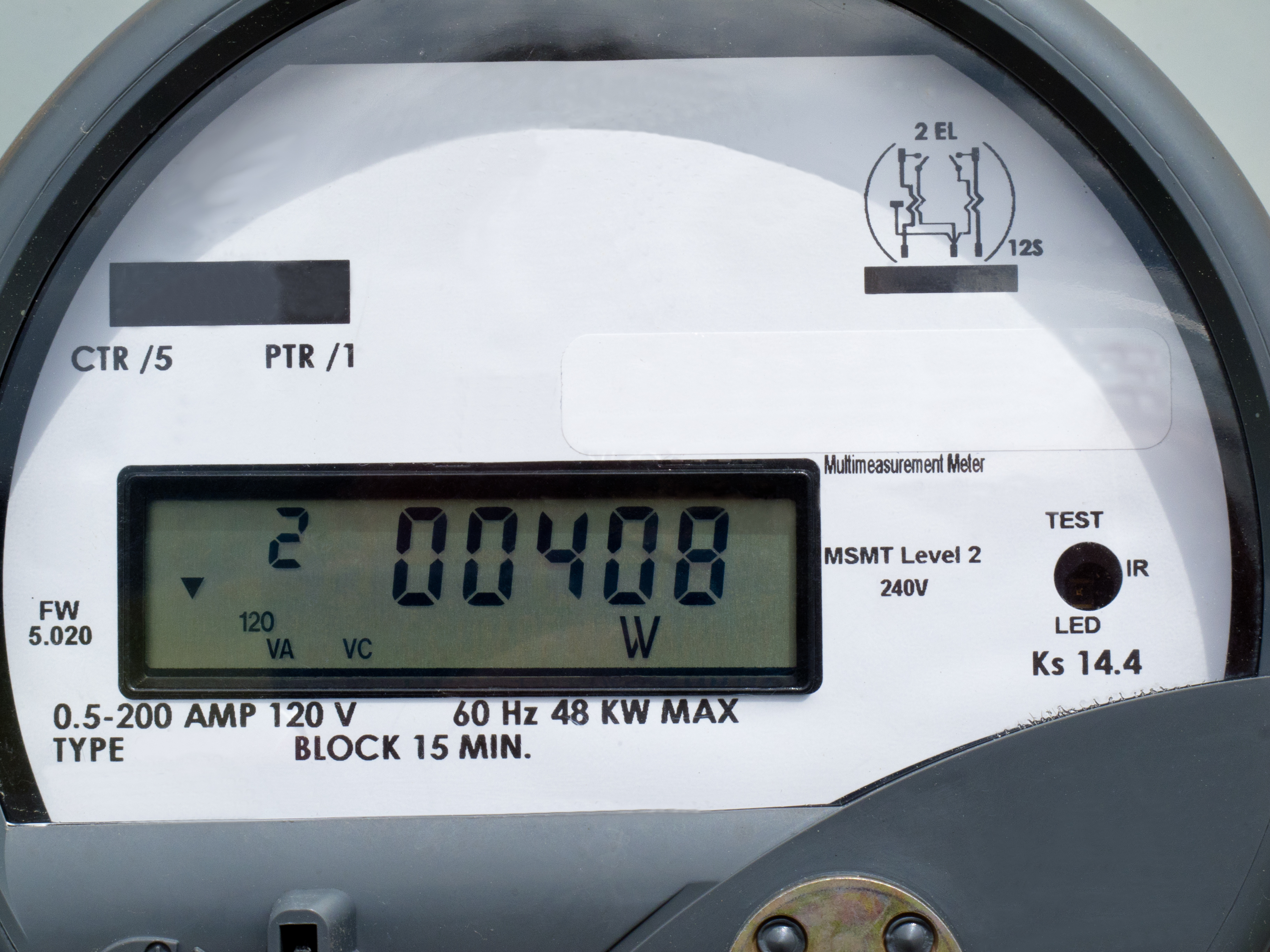
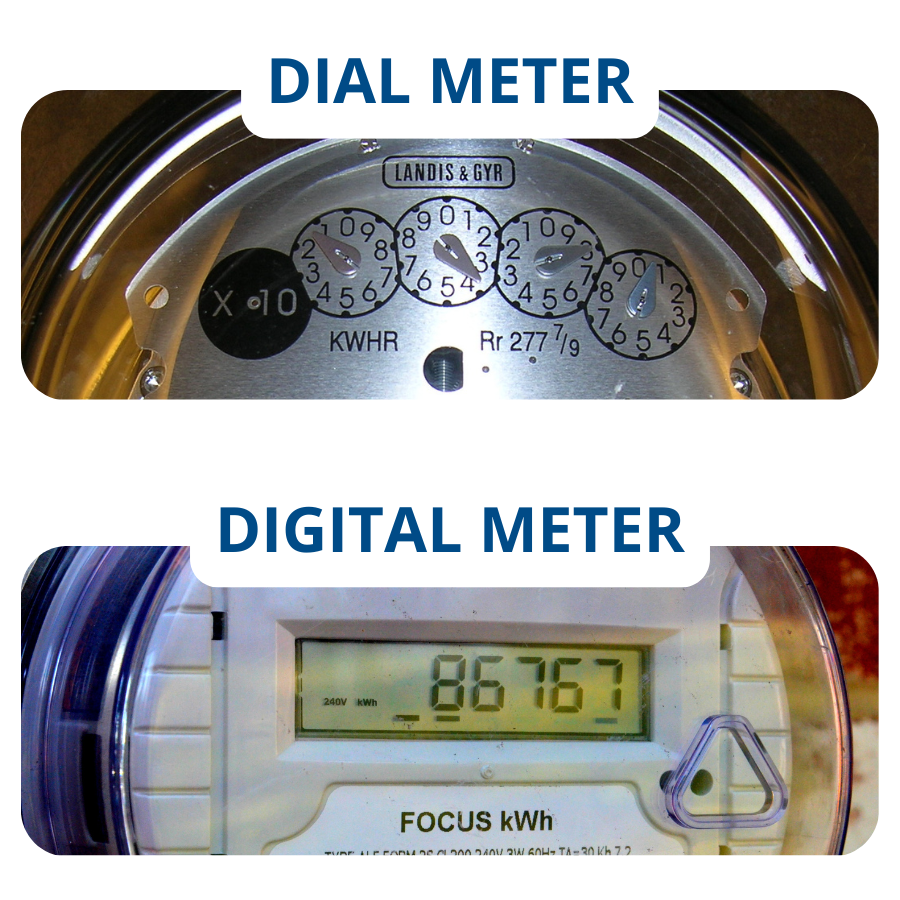
How To Read Electronic Electricity Meter
Ever get that shiver down your spine when the electricity bill lands? You know, the one where you eye the total and then wonder, "Did I really use that much?" It’s a common feeling. Then, your mind drifts to that mysterious little box on the side of your house or tucked away in a cupboard: the electricity meter. Specifically, the
The truth about reading your electronic electricity meter? It's hilariously simple. So simple, in fact, that we, as humans, tend to overcomplicate it. We expect a challenge. We anticipate a puzzle. We're ready for a mind-bending task that requires special training or a secret decoder ring. But the meter, bless its little electronic heart, isn't playing mind games. It's just... showing you a number.
Let's imagine your meter as a tiny, slightly awkward digital storyteller. It doesn't have a plot twist or a grand finale. It simply shows you the current chapter. You walk up to it, perhaps with a frown of concentration, ready to battle its digital wizardry. It sits there, possibly flashing different codes, cycling through various readings like a slideshow on repeat. You might see the date, the time, some technical codes, maybe even a little smiley face if it’s feeling sassy. But don’t get distracted by the digital razzle-dazzle!
Must Read
The Great Meter Reveal (It's Less Dramatic Than It Sounds)
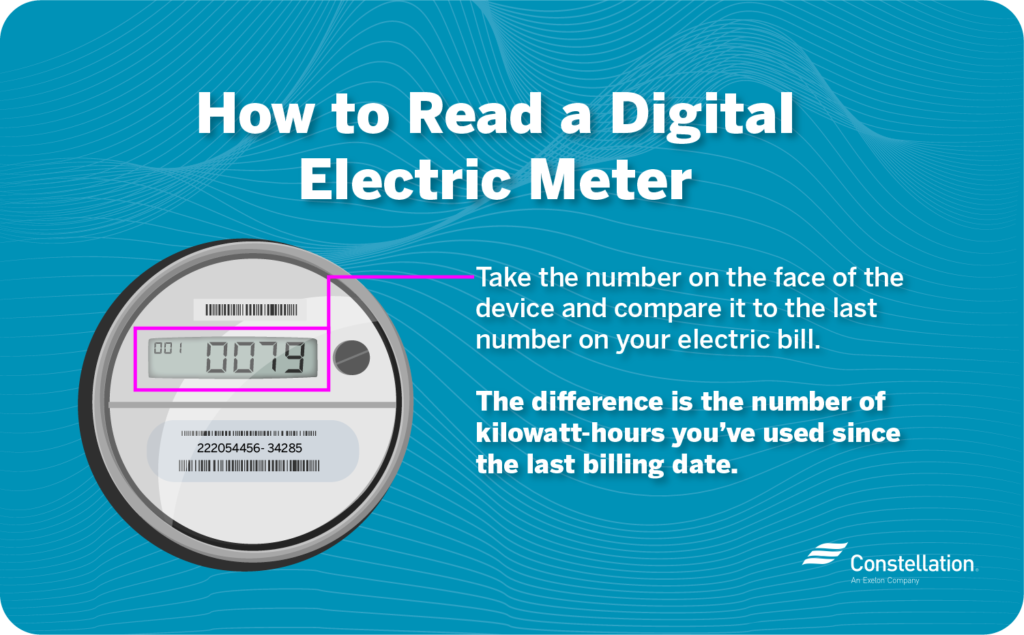
Here's the trick, and it's barely a trick: you just wait. Yes, that's it. You stand there, patiently, like you're waiting for your turn at the bakery. The meter, in its own sweet time, will scroll to the information you actually care about. What are you looking for? A big, clear number, often accompanied by the magical letters
Sometimes, this number is on a constant display. Other times, it cycles through. Just wait for it to appear. It might show a few leading zeros, which you can mostly ignore unless you’re feeling extra precise. The main thing is that big, chunky number that represents your usage. It’s the one that stays on the screen long enough for you to actually write it down without having to be a speed-reading champion.

“Wait for it… There it is! The big number with ‘kWh’. That’s your gold.”
And here’s where the "unpopular" part comes in. We look at all the other flashing digits, the little arrows, the cryptic symbols, and we think, "Aha! These must be important! They must be the key to understanding my electricity consumption!" But often, they're just… extra. They're like the filler words in a conversation, interesting maybe, but not the core message. Your meter isn't trying to trick you with a pop quiz on energy tariffs. It's just showing you your number.
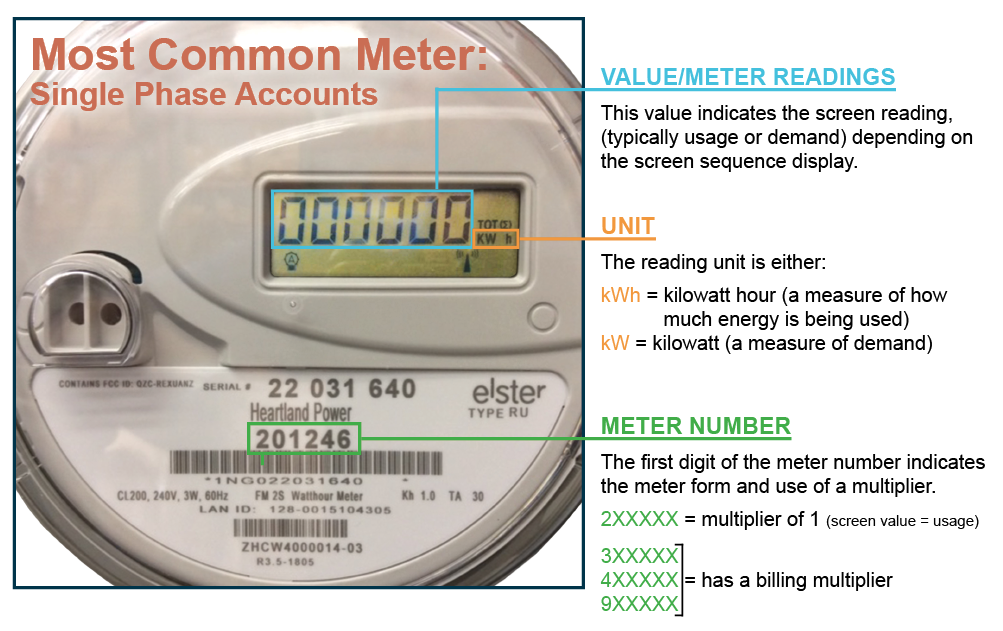
Many people stress, convinced they've missed a critical step. They poke buttons they shouldn't. They consult online forums for explanations of arcane error codes. But for the average homeowner wanting to check their usage, it's usually just about spotting that
So next time you approach that humming box of digital mystery, take a deep breath. Give it a friendly nod. Then, simply watch. Wait for the big number, note the