
How To Read Digital Electricity Meter Reading
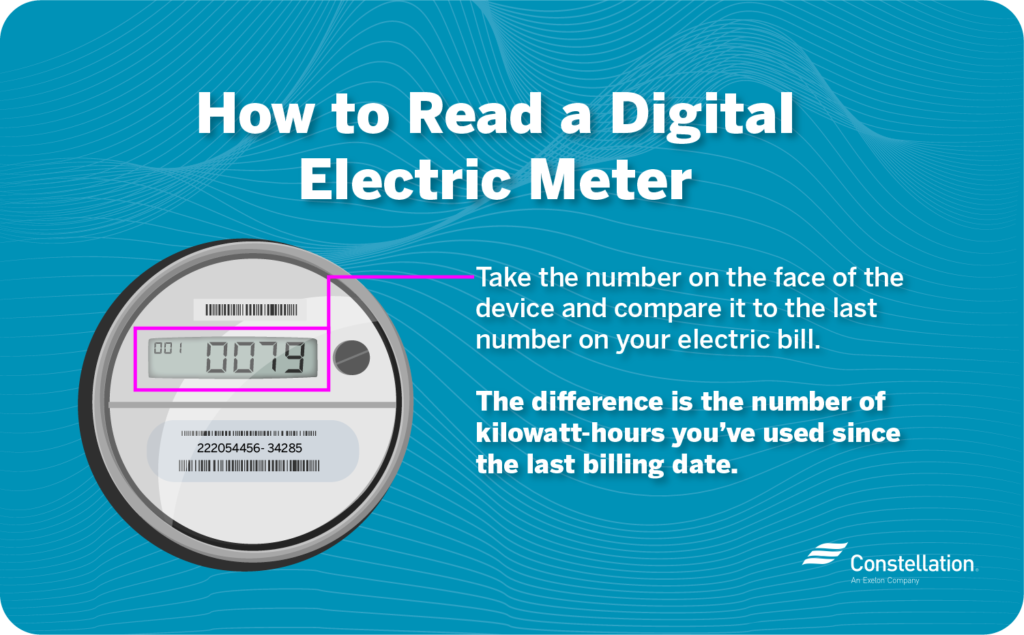
Ever felt like your electricity bill is speaking a language you just can't decipher? Like it's written in hieroglyphics only understood by power company wizards? Fear not, intrepid homeowner! Cracking the code of your digital electricity meter is easier than ordering pizza online.
Finding the Magic Number
First things first, locate your digital electricity meter. It’s usually outside your house, often attached to an exterior wall or nestled in a little box. It's not hiding under your rose bushes (hopefully!), so a quick search around your property should do the trick.
This little device is your key to understanding your energy consumption. Think of it as the odometer for your electrical life!
Must Read
Reading the Display: Numbers That Matter
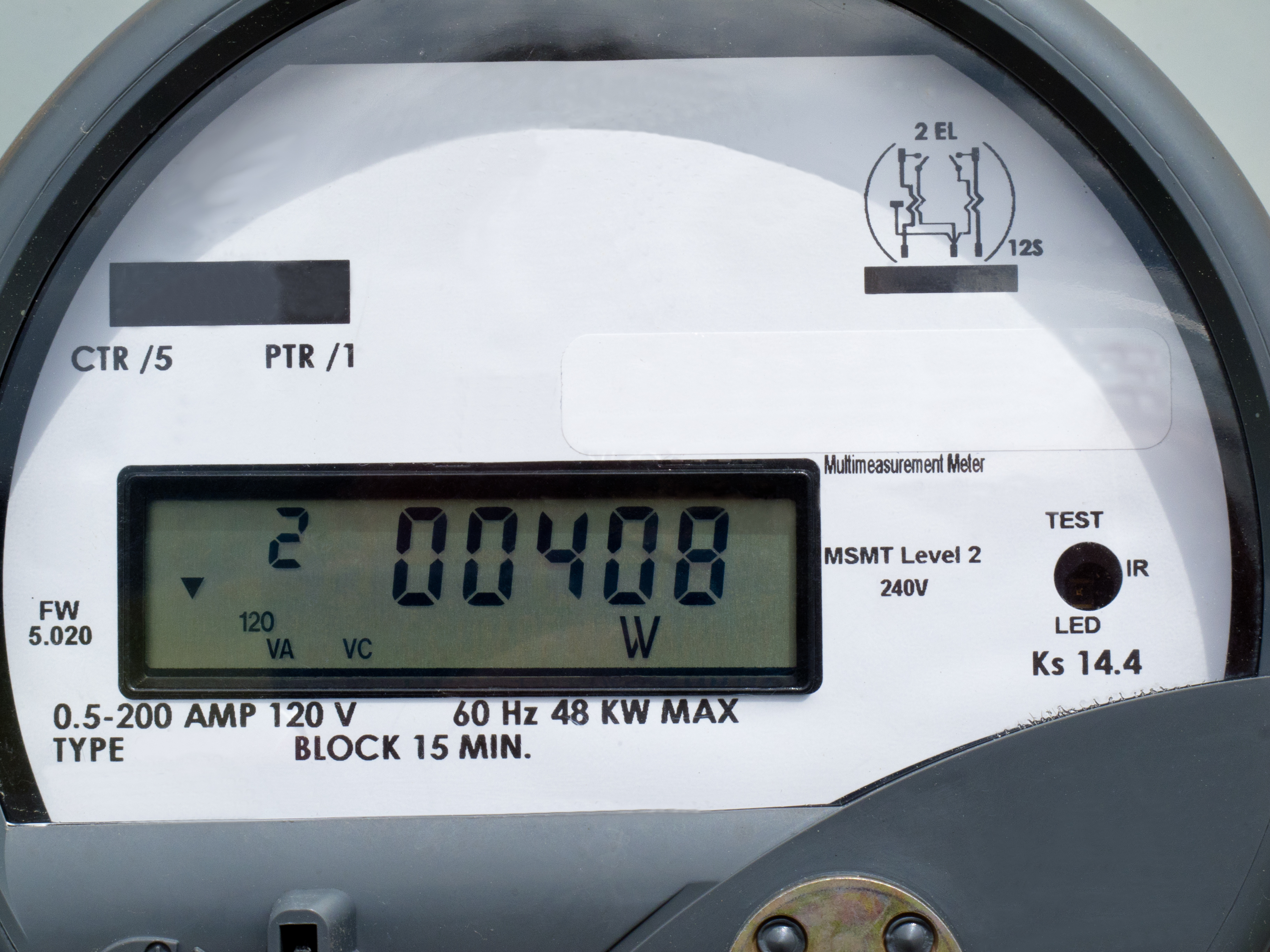
Now, let's get to the heart of the matter: the display. Most digital meters have a screen that cycles through different numbers. Don't panic!
You’re looking for the reading that displays your total kilowatt-hours (kWh) used. It usually has "kWh" clearly displayed next to it. This is the number the power company uses to calculate your bill. It is often the biggest and boldest number on the screen.
If the display is blank, there might be a button to press to activate it. It's like waking up a sleepy robot that holds the secrets to your energy usage!
Ignoring the Noise: What Not to Read
Your meter might show all sorts of other numbers. These might include test codes, rate information, or even the time. Ignore them! They're just trying to confuse you.
Think of it like trying to watch your favorite show with a million pop-up ads. Just focus on the main event: the kWh reading!
Focus only on the kWh reading, it is the real deal!

Understanding Kilowatt-Hours (kWh)
So, what exactly is a kilowatt-hour? Simply put, it's the amount of energy used by a 1,000-watt appliance for one hour. A kilowatt-hour is basically an energy unit that is used to measure electricity consumption.
A 100-watt lightbulb uses 0.1 kWh in an hour. Imagine running ten of those lightbulbs for an hour, and you've used 1 kWh. Easy peasy, right?
Consider a device consuming 1000-watt per hour, one kWh has been used!
Reading the Numbers Like a Pro
The kWh reading is cumulative. It shows the total amount of electricity your household has used since the meter was installed. You won't see it reset to zero each month (unless there's a power company hiccup!).
To figure out how much electricity you've used in a month, simply subtract last month's reading from this month's. Voila! You've calculated your consumption.
It’s like tracking your steps on a fitness tracker, but instead of steps, you're tracking kilowatt-hours!
Putting it All Together: A Practical Example
Let's say last month your meter read 12345 kWh. This month, it reads 12645 kWh. What does it mean? It means that you used 300 kWh this month.

This reading is gotten by subtracting last month’s reading of 12345 from this month’s reading of 12645.
You are using simple arithmetics to find the difference! If your electricity company charges $0.15 per kWh, your bill would be $45 (300 kWh x $0.15/kWh). High five! You're practically an accountant now.
Checking for Errors: When Things Go Wrong
Sometimes, meters malfunction. It happens! If your bill suddenly spikes for no apparent reason, it's worth checking your meter reading against your bill. Compare your own calculations of usage against what's on the bill.
If there's a significant discrepancy, contact your electricity provider immediately. Don't be afraid to politely (but firmly) question the bill. It is important that you understand every penny.
Think of yourself as a detective, uncovering the truth behind the mysterious electricity bill!
Tips and Tricks for Energy Efficiency
Now that you're a meter-reading master, let's talk about saving some energy (and money!). A digital meter can be a powerful tool to control your usage.
Unplug electronics when you're not using them. Those phantom loads can really add up, like tiny vampires sucking your energy dry!
Use energy-efficient light bulbs (LEDs are your friend!). Switch off light bulbs that are not necessary.
Run major appliances, like washing machines and dishwashers, during off-peak hours (check with your electricity provider for details). This will save you a whole lot of money.
The Power of Awareness
Simply being aware of your electricity usage can make a big difference. Check your meter regularly to see how your consumption changes over time. This will help you identify energy hogs in your home.
Become an energy detective! Track down those energy-guzzling culprits and take action.
Small changes can lead to big savings. By understanding your electricity meter, you're empowered to make smarter choices.
Advanced Metering: Smart Meters and Beyond
Some areas now use "smart meters," which automatically transmit your readings to the power company. These meters often provide even more detailed information about your energy usage.
With smart meters, you can often access your energy data online, sometimes in near real-time. It is a whole new level of control!
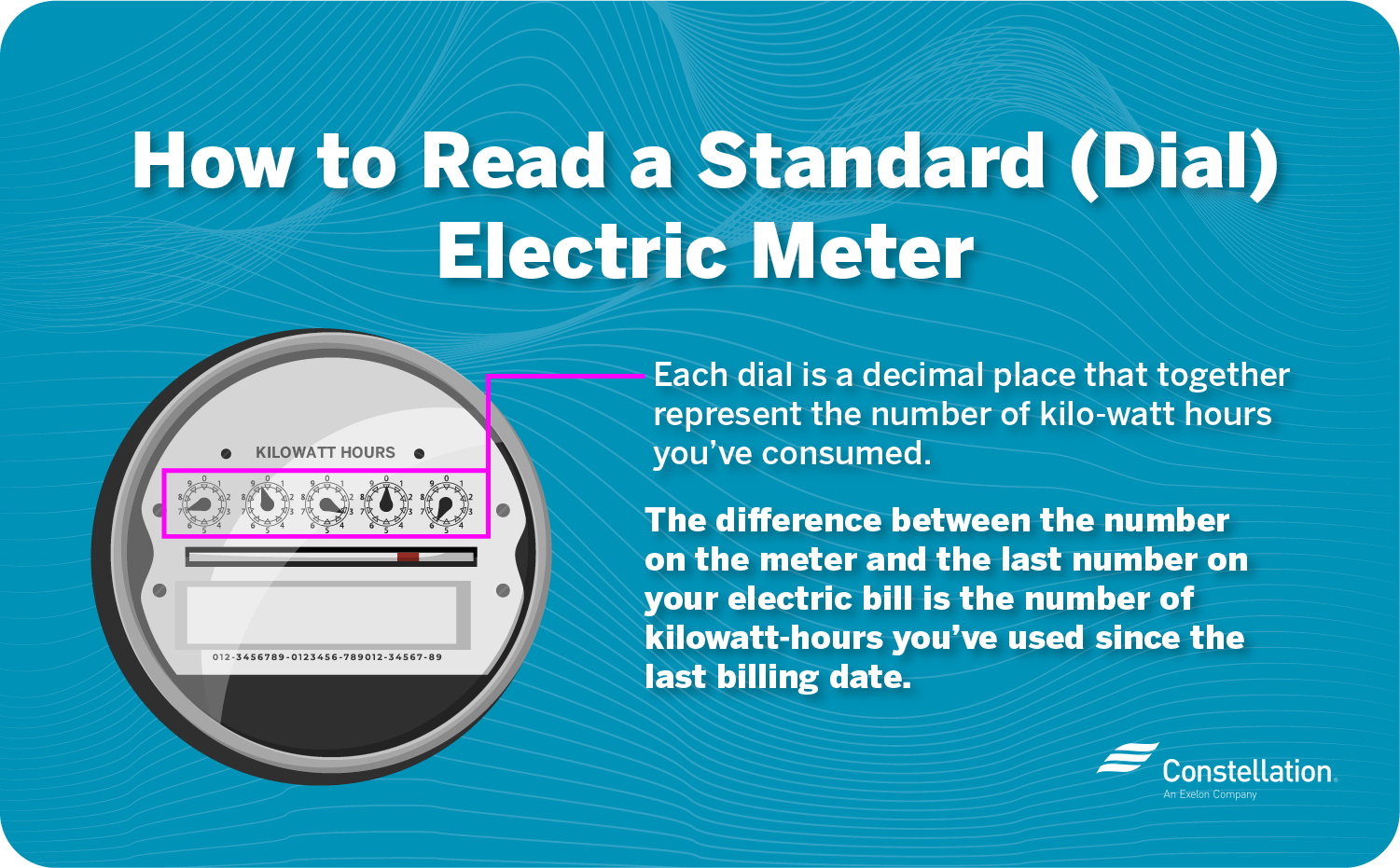
Contact your electricity provider to see if you have a smart meter and what information is available to you. These new features can save you a lot of time.
Demystifying the Digital World
Reading a digital electricity meter doesn't have to be a daunting task. With a little knowledge and a dash of curiosity, you can unlock the secrets of your energy consumption.
Embrace your newfound power! You are now in control. Knowing your reading put you in control of your energy.
So, go forth and conquer that meter! You've got this! And remember, a little bit of knowledge can go a long way in saving you money and helping the environment.
One Last Tip: Safety First!
While you're checking your meter, please remember to be safe! Avoid touching any exposed wires or electrical components. If you see anything that looks damaged or dangerous, contact a qualified electrician immediately.
Electricity is powerful, and it should be treated with respect. Be very cautious to avoid accidents.
Your safety is always the top priority. Happy meter-reading!