How To Read A Electrical Meter

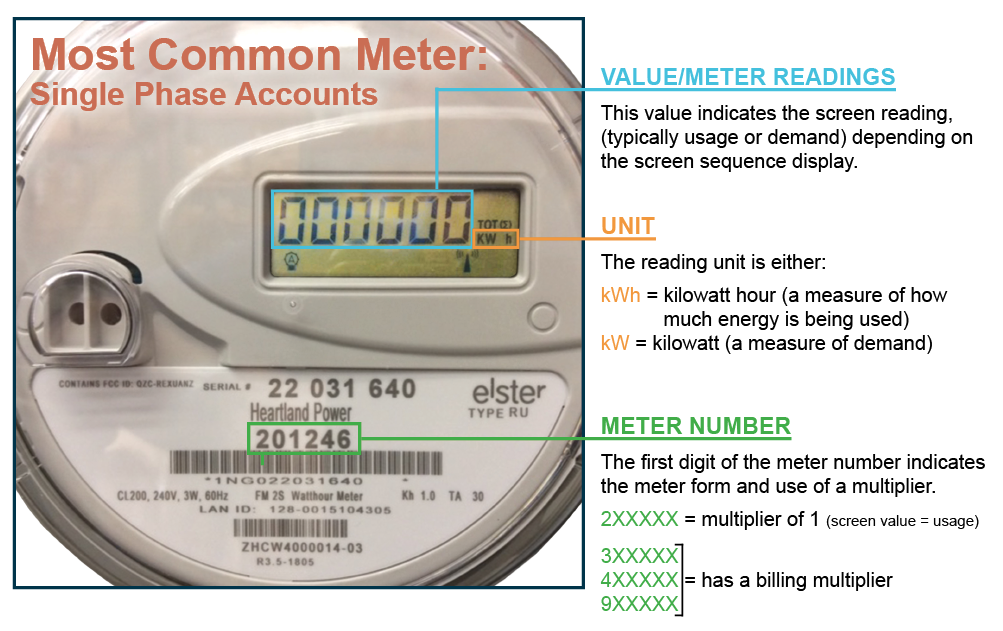
Ever gazed at that mysterious box on the side of your house, humming quietly, with a series of tiny dials or numbers? That, my friend, is your electrical meter, and far from being a boring utility fixture, it holds the secrets to your home's energy consumption! Learning to read it isn't just a party trick; it's a superpower that can demystify your electricity bill and put you in control of your power usage. Imagine catching an energy "vampire" appliance red-handed or simply understanding why your bill spiked last month. It's time to unlock that secret!
At its core, your electrical meter measures the amount of electricity your household uses, typically in kilowatt-hours (kWh). Why bother reading it yourself when the utility company does it? Well, knowledge is power – literally! By regularly checking your meter, you can cross-reference it with your monthly bill, ensuring accuracy and catching potential billing errors. Even better, it helps you become a super-sleuth for energy efficiency. Want to know if leaving that old fridge plugged in is really costing you a fortune? A quick meter check before and after unplugging it for a few hours will give you the answer! It’s all about empowerment and helping your wallet.
While modern homes often have slick digital meters (which are super easy – just read the numbers!), many still sport the classic analog versions with their charming, tiny dials. Don't let them intimidate you; they're easier to read than they look! Most residential meters have four or five dials, each with numbers from 0 to 9. Here's the trick:
Must Read
First, always read the dials from left to right. Look at the first dial on the far left. Note the number the pointer has just passed. If the pointer is between two numbers, always pick the lower number. For example, if it's between 4 and 5, you read 4. There's a fun twist: some dials spin clockwise, others counter-clockwise! Pay attention to the direction the numbers are increasing on the dial. Regardless of direction, the rule remains: read the number the pointer has just passed. So, on a counter-clockwise dial, if the pointer is between 8 and 9 (moving towards 9), you'd still read 8 because it hasn't fully reached 9 yet.
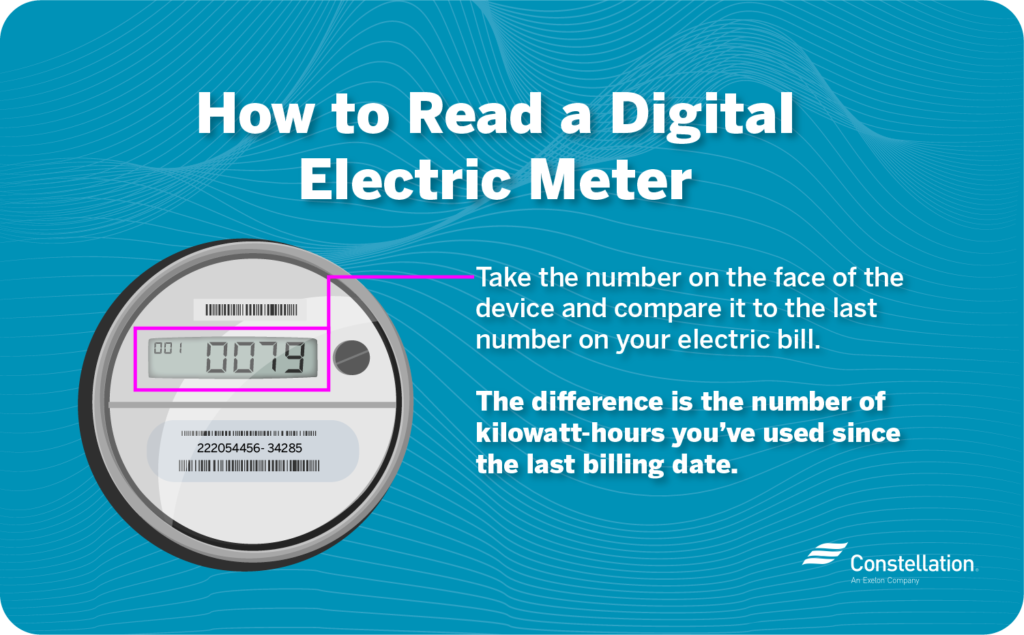
Repeat this process for each dial, moving across until you have a complete number. For example, if your five dials, read from left to right, give you 1, 2, 3, 4, 5, your current reading is 12,345 kWh. To find out your usage over a specific period, simply subtract your previous reading (from your last bill or a prior check) from your current reading. Voilà! You've just calculated your own electricity consumption!
So next time you glance at that meter, don't just see a black box – see an opportunity! With this newfound skill, you’re not just reading numbers; you’re gaining insight into your home’s energy story and taking a powerful step towards smarter, more conscious living. Go forth and decode those dials!