How To Read A Ddc Paternity Test Result
Okay, let's be honest. Reading a DDC paternity test result isn't exactly topping anyone's list of weekend hobbies. But, hear me out! It's surprisingly fascinating, like a real-life episode of a detective show, only with DNA instead of fingerprints. And for some folks, understanding these results is crucially important, offering clarity and peace of mind.
So, who exactly benefits from knowing how to decipher these reports? Well, for beginners who are just curious about the science behind it all, it’s a neat dive into genetics. You get to see how your unique DNA signature is analyzed. For families involved in paternity disputes or seeking to confirm biological relationships, this knowledge empowers them to understand the findings directly, rather than relying solely on interpretations. And, believe it or not, some hobbyists (genealogy buffs, for instance) might find this useful for tracing family lines and confirming connections.
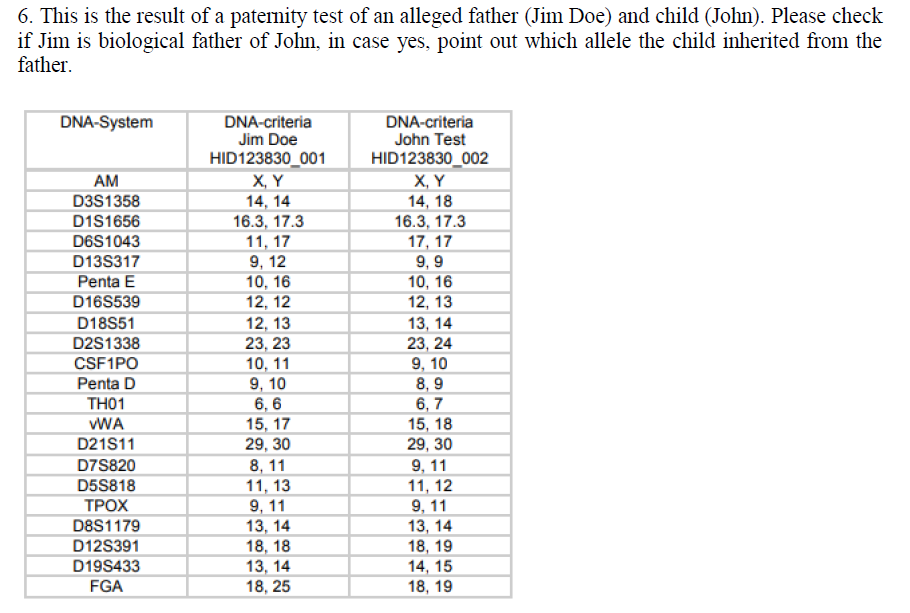
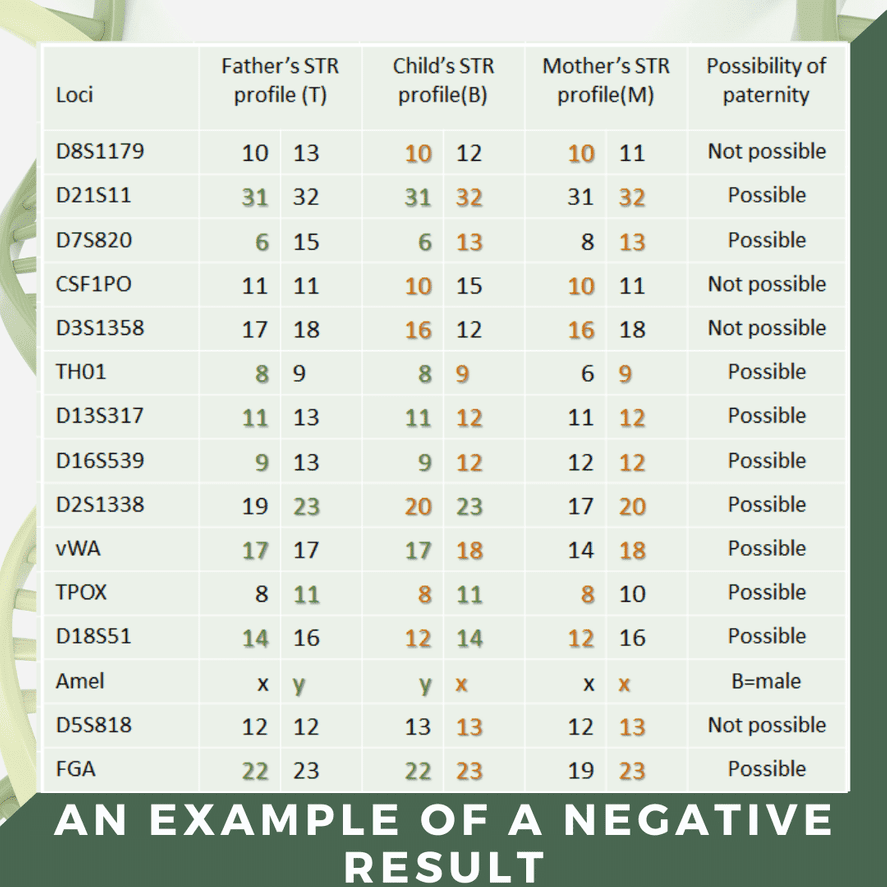
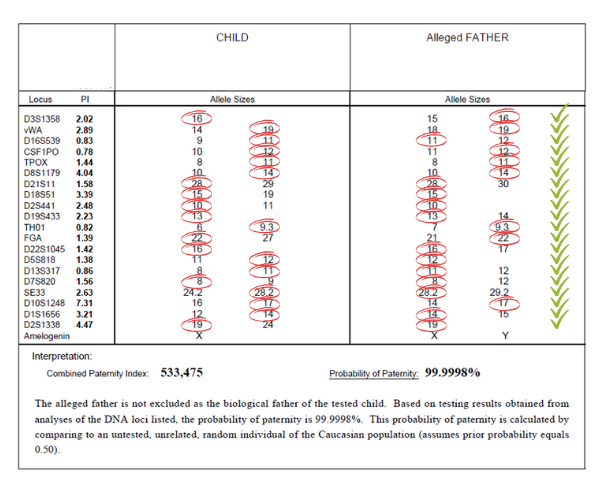
What does a typical DDC paternity test result even look like? The most important part boils down to a probability percentage. You'll see something like "Probability of Paternity: 99.99%". A result this high essentially confirms paternity. Generally, a probability of 99% or higher is considered conclusive. On the flip side, a result showing a probability close to 0% means the alleged father is excluded. There's also a section showing the DNA markers (specific locations on the DNA) that were analyzed. Each person (child, mother - if included, and alleged father) will have two numbers listed for each marker – representing the two alleles they inherited, one from each parent. These markers are compared to see if the child's DNA aligns with the mother's (if tested) and the alleged father's.
Must Read
Now, let's talk variations. Sometimes, you might see terms like "Combined Paternity Index" (CPI). This is another way of expressing the likelihood of paternity, and it's used to calculate the probability percentage. You might also encounter situations where a “motherless” test is performed. This just means the mother's DNA isn't included, and the analysis focuses solely on the child and alleged father. While including the mother strengthens the analysis, a test without her is still highly accurate. More complex results might occur if the test involves siblings or other relatives, requiring more nuanced interpretation.
Ready to get started understanding your own results? Here are a few practical tips:
- Start with the Probability: Don't get bogged down in the details right away. Focus on the final probability percentage. This is your headline.
- Read the Explanations: DDC provides clear explanations alongside the results. Take your time to read them carefully.
- Look for Exclusions: If the alleged father is not the biological father, the report will explicitly state an exclusion.
- Don't Be Afraid to Ask: If anything is unclear, don't hesitate to contact DDC's customer support. They are there to help you understand your results.
Ultimately, understanding a DDC paternity test result isn't about becoming a genetics expert overnight. It's about empowering yourself with knowledge and finding clarity in situations that can be emotionally charged. And who knows, you might even discover a newfound appreciation for the amazing science of DNA!