How To Put Sand In A Pool Filter
Ever peered into a crystal-clear swimming pool and wondered about the magic behind its pristine sparkle? While it might seem like pure wizardry, a lot of that magic comes down to some surprisingly simple, yet incredibly effective, technology – specifically, the humble pool filter. And at the heart of many of these unsung heroes is... sand! Learning how to put sand in a pool filter might sound like a niche skill, but it's a fascinating peek into the mechanics of keeping our water clean, and surprisingly relevant for more than just pool owners.
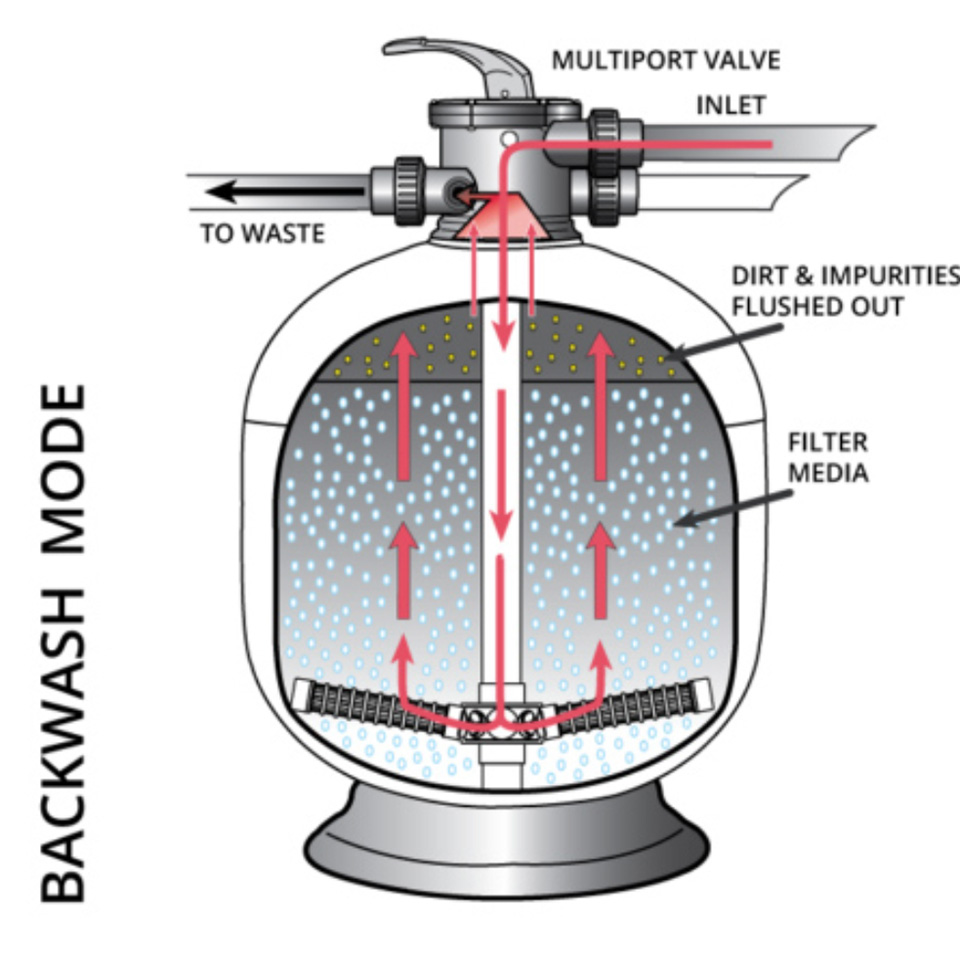
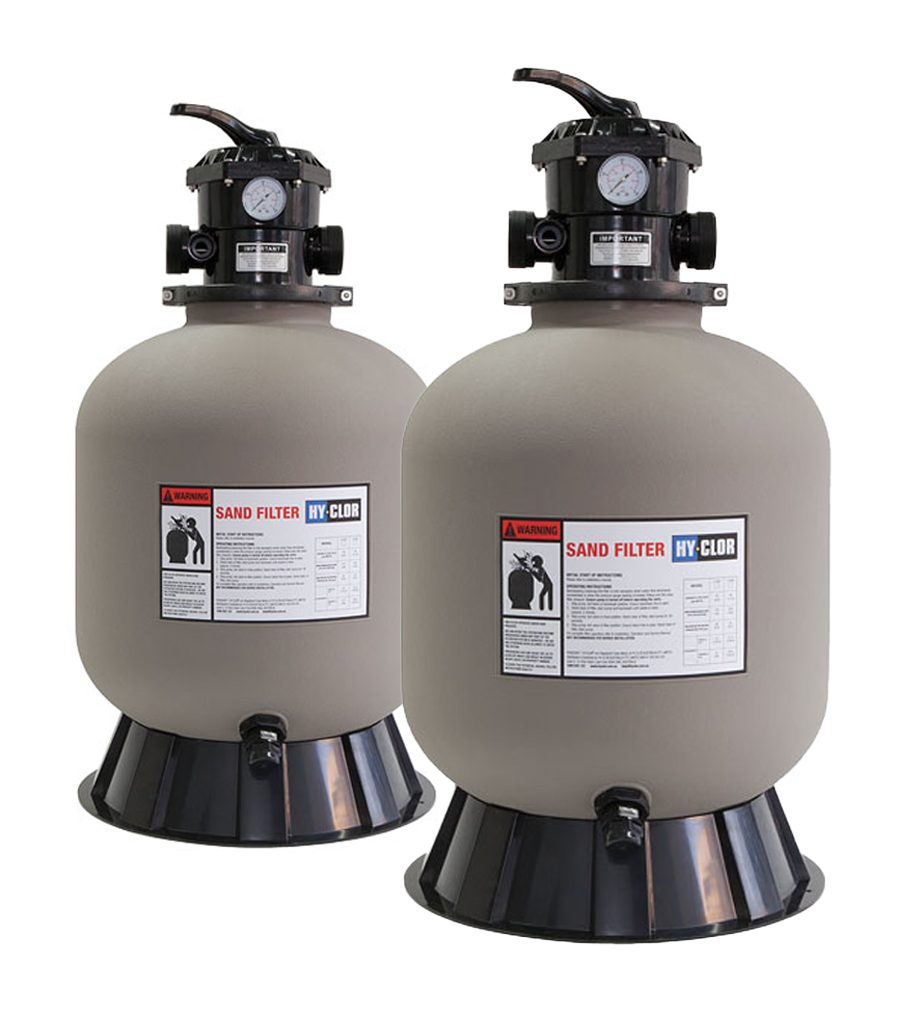
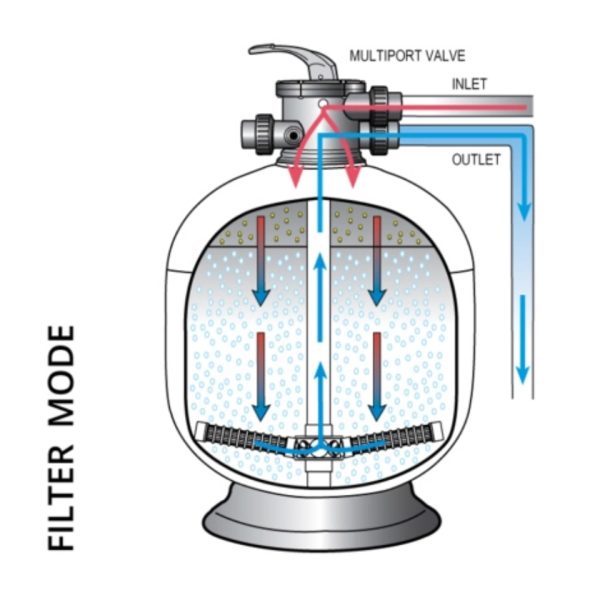
So, why would you want to fill a big tank with sand just to clean your pool? Well, the purpose is beautifully straightforward: this specialized silica sand acts as a natural sieve. As pool water is pumped through the filter tank, the tiny, sharp edges of the sand grains trap microscopic debris, dirt, algae spores, and other impurities. It's an incredibly efficient process, sifting out particles as small as 20-40 microns. The benefits are immense: you get a pool that’s not only visually appealing but also hygienically safe for swimming. A properly maintained sand filter significantly reduces the need for excessive chemicals, extends the life of your pool pump, and ultimately, saves you money and effort in the long run. It's about maintaining a balanced and healthy aquatic environment.
While the most obvious application is in daily life for maintaining your backyard oasis, the principles behind sand filtration extend far beyond your swimming pool. Think about municipal water treatment plants – they often employ massive sand and gravel filtration beds to purify drinking water for entire cities! In an educational context, understanding pool filtration is a fantastic gateway to learning about broader concepts. It’s a practical demonstration of physical filtration in action, touching on topics like particle size, flow dynamics, and even basic chemistry (how clean water reduces the need for certain sanitizers). It can even spark an interest in environmental science, showcasing how natural systems like riverbeds and aquifers filter water over time.
Must Read
Curious to explore this further? You don't necessarily need a pool to appreciate the process. A great starting point is to simply watch some online tutorials; there are countless videos demonstrating the step-by-step process of refilling a sand filter. You'll quickly see the importance of a few key tips: always ensure the power to the pump is off, drain the filter completely if replacing old sand, and most critically, protect the standpipe and laterals inside the filter tank from getting sand in them during the refill. Many pros even suggest adding a bit of water to the tank before pouring in the sand – it cushions the delicate laterals and reduces dust. If you do have a pool, consider assisting a professional or even tackling it yourself after thorough research; it's a deeply satisfying DIY project. Even without hands-on experience, simply understanding this vital component gives you a deeper appreciation for the effort that goes into keeping our recreational waters sparkling clean and safe. It's a small piece of knowledge that offers a big splash of insight into everyday engineering!