
How To Pump Water Out Of Pool
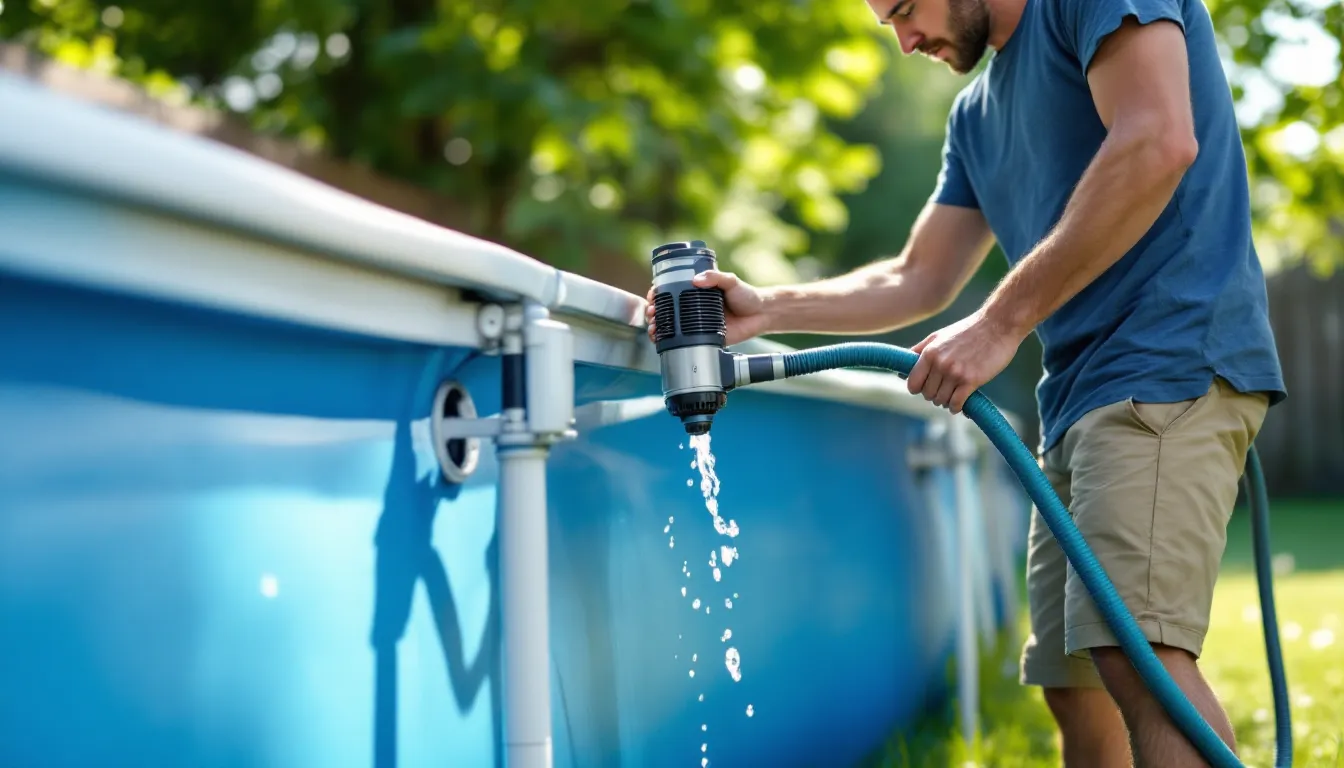
So, You Need to Empty Your Pool? Let's Make It a Splash!
Alright, pool parent! Ever looked at your swimming pool and thought, "Hmm, this giant bathtub needs a drain plug… but where is it?!" You're not alone. Whether you're getting ready for winter, tackling a liner replacement, or just dealing with a surprise swamp creature convention (aka algae bloom), knowing how to pump water out of your pool is a handy little superpower. And trust me, it's way less intimidating than it sounds. Think of it less like rocket science and more like a really big bath emptying.
Why Bother Draining? Let's Talk Fun!
You might be wondering, "Do I really need to get all that water out?" Sometimes, yes! And for surprisingly good reasons:
First off, if your pool has turned into a giant green smoothie, you know what I mean. An algae invasion is no joke, and sometimes the best way to hit the reset button is to start fresh. It’s like giving your pool a deep-clean detox, because nobody wants to swim in a pea soup surprise, right?
Must Read
Then there's the winterizing waltz. For folks in colder climates, draining your pool below the skimmer line is crucial to prevent pipes from freezing and cracking. Imagine a frozen pipe exploding – that's a repair bill you definitely don't want to receive! Pumping a little water out now can save you a huge headache (and wallet pain) later.
Maybe you're planning a liner replacement or some serious repairs. You can't exactly patch a leak or swap out a liner while it's full of water. That's like trying to bake a cake in a flooded kitchen. Gotta clear the deck before the renovation fiesta begins!
And let's be honest, sometimes you just need to lower the water level a bit after a biblical rainstorm. Nobody wants their pool overflowing and turning their backyard into a mini-lake or, worse, sending a surprise waterfall onto their neighbor's patio. (Trust me, that conversation can be awkward.)

Alright, Let's Get Pumping! Your DIY Hero Journey Begins
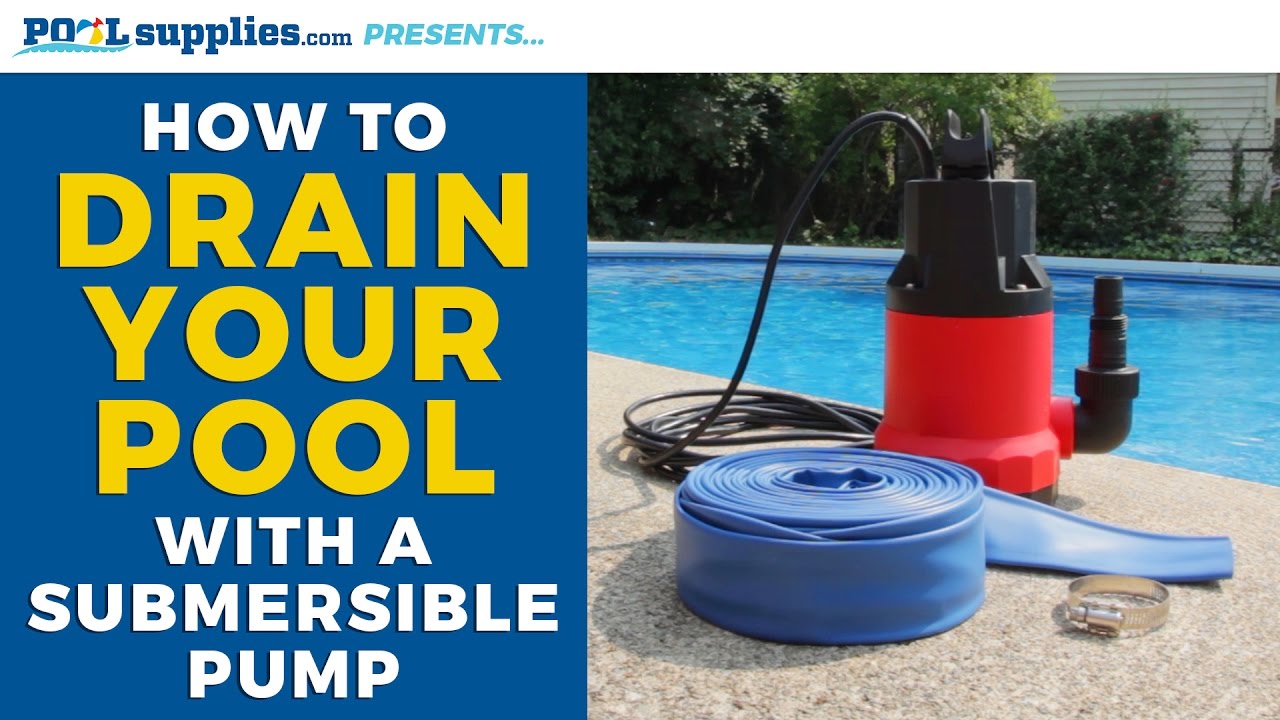
So, you're convinced. You're ready to tackle this watery task. The main star of this show is your pump. There are a few kinds, but the most common (and often easiest for pool owners) is a submersible pump.
Think of a submersible pump as the dive master of pumps. You plop it right into the water, plug it in, and it starts sucking water out through a hose. Simple as pie! They come in various sizes and strengths, so if you're going for a full drain, a more powerful one will save you time. For small jobs, like just lowering the level a bit, a smaller utility pump or even a dedicated pool cover pump can do the trick.
You might also hear about sump pumps. If you have one for your basement, it can often pull double duty for your pool too! Just make sure it's clean and doesn't smell like basement mold before introducing it to your swimming oasis.

Gather Your Super Squad of Supplies
Before you dive in (metaphorically, of course), let's make sure you have everything you need. It’s like gathering ingredients for a big recipe:
- A submersible pump (the star!)
- A drain hose (could be a regular garden hose, a flexible lay-flat hose, or a backwash hose if you have one). Make sure it's long enough!
- A power source (an outdoor-rated extension cord if needed, and definitely a GFCI outlet for safety – think of it as a circuit breaker's superhero cousin).
- Somewhere to direct the water (this is critical!).
The Grand Draining Expedition: Step-by-Step
Okay, gear in hand, let's get this water out!
Step 1: Place Your Pump. Gently lower your submersible pump into the deepest part of the pool. Think of it like a little robotic diver. You want it to sit flat on the bottom so it can get to work efficiently. If you're only draining a little, place it where you need the water level to drop.
Step 2: Connect the Hose. Attach your drain hose securely to the pump's outlet. Give it a good tug to make sure it won't pop off mid-job. Nobody wants an unexpected water feature in their backyard!
Step 3: Direct the Water – Strategically! This is super important. Where will all this water go? You absolutely do NOT want to flood your neighbor's yard, erode your own landscaping, or create a giant muddy mess. Point the hose towards an area that can handle a lot of water – a storm drain, a gravel driveway, or a large, thirsty grassy area that slopes away from your house. Check with your local municipality too; some places have rules about where you can discharge pool water, especially if it's chlorinated.
Step 4: Power Up! Now for the magic moment! Plug the pump into your GFCI outlet. You should hear it hum to life, and soon, water will start flowing out of your hose. It’s strangely satisfying to watch!
Step 5: Monitor and Mingle (or just relax). Keep an eye on the pump and the water flow. Make sure the hose stays put and isn't spraying water where it shouldn't be. You can take a break, sip some lemonade, and enjoy the show. Your pump is doing all the heavy lifting!
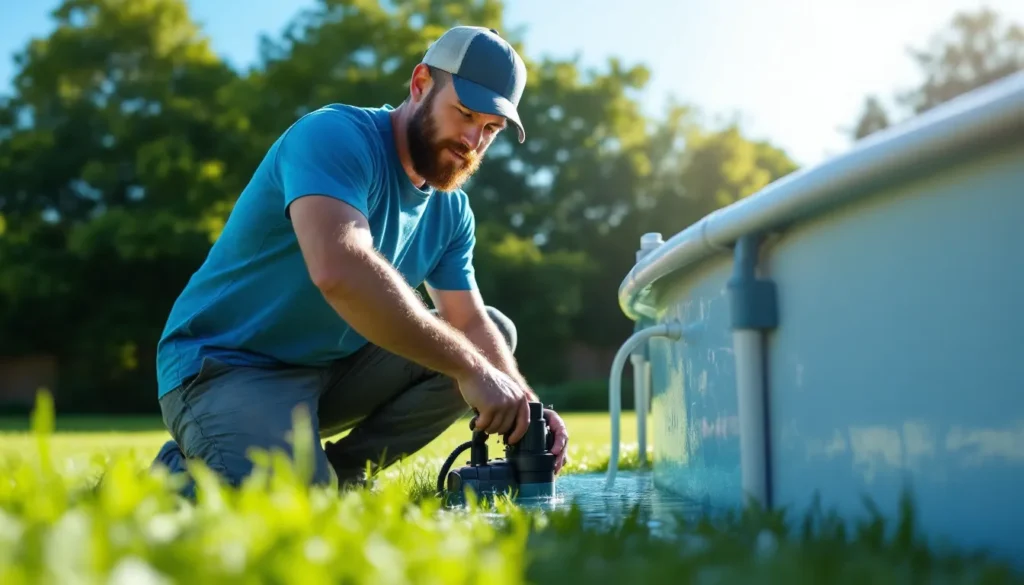
Step 6: The Finish Line. When the water reaches your desired level (or when the pump starts sucking air, making gurgling noises), it's time to unplug. Carefully lift the pump out, making sure to let any remaining water drain out of it. Disconnect the hose and let everything dry before storing it away.
A Few Friendly Nudges & Nods
Safety First! Always use a GFCI outlet when working with electricity and water. It's like wearing a seatbelt – you hope you never need it, but it's there if you do.
Don't Over-Drain! For some pools, especially above-ground vinyl liner pools, draining it completely can cause the liner to shrink or shift, which is a whole new headache. Only drain as much as you truly need to! If you're unsure, consult your pool's manual or a pool professional.
See? You're practically a pool draining pro now! It’s a simple, straightforward task that empowers you to take better care of your pool, avoid costly issues, and feel pretty darn accomplished. Go forth and conquer that pool water!