
How To Prepare Your Home For Freezing Temperatures

Hey everyone! Winter's knocking, isn't it? Getting that crisp air, seeing frost sparkle... pretty magical stuff. But let's be real, magic fades fast when your pipes burst or your energy bill skyrockets. So, before Jack Frost really settles in, let's chat about getting your home ready for the freeze. Think of it as giving your house a cozy winter coat, a little preemptive TLC to keep things comfy and safe. Ready to dive in?
Wrap Those Pipes!
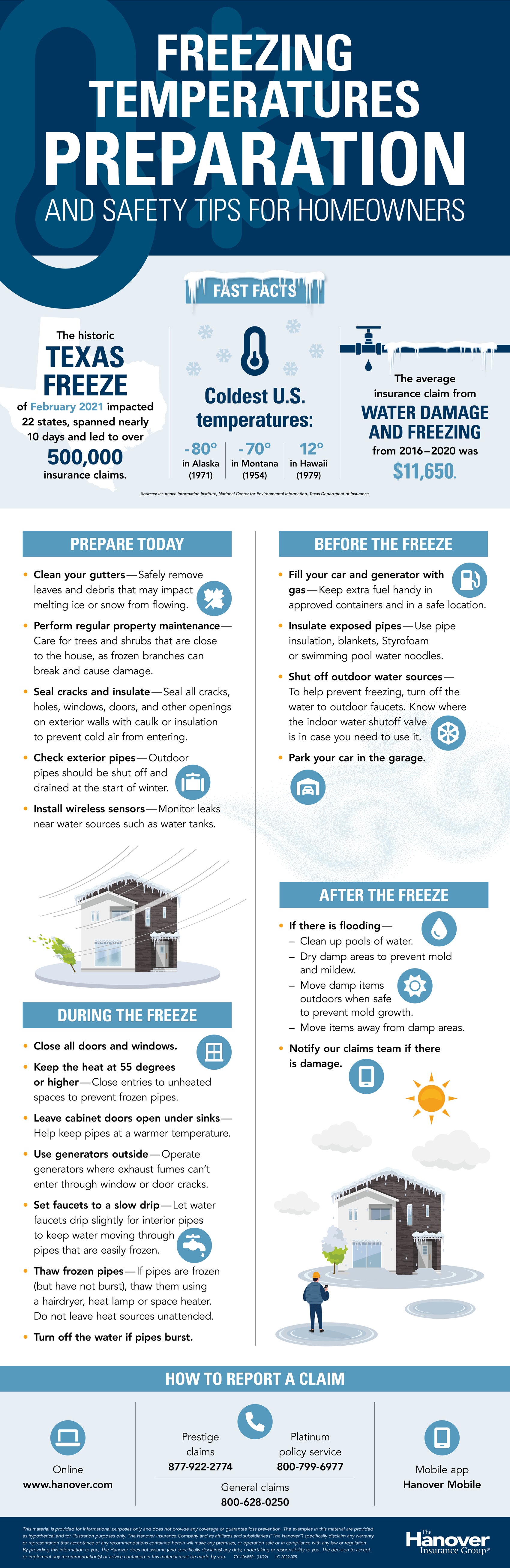
Pipes are like the veins and arteries of your house, right? They carry the lifeblood – water! – to everything. And just like you need to bundle up when it's cold, so do your pipes. Why? Because when water freezes, it expands. And expanding water in a confined space (like a pipe) creates immense pressure. Guess what happens next? Boom! Burst pipes. Not fun.
Insulating your pipes is super easy and surprisingly affordable. You can grab pipe insulation sleeves at any hardware store. They're basically like little foam jackets for your pipes. Just wrap 'em around, secure them with tape, and voila! Instant pipe protection. Pay extra attention to pipes in unheated areas like your crawl space, garage, or exterior walls. It's like giving those exposed pipes an extra-warm scarf.
Must Read
Don’t have the foam sleeves? No problem! Old towels or even newspaper can do in a pinch. Just wrap them securely around the pipes and tape them in place. It’s not as effective as proper insulation, but it's better than nothing. Think of it as a temporary, thrifty fix until you can get the real deal.
Seal the Deal (on Drafts)
Drafts are sneaky little energy vampires. They suck the warmth out of your house and send your heating bill through the roof. Imagine trying to stay warm with a tiny hole in your favorite sweater. Annoying, right? Sealing drafts is like patching up that hole, making your home much more energy-efficient and comfortable.

Where do drafts usually hide? Check around windows and doors. Feel for cold air leaking in. You can use weather stripping or caulk to seal any gaps. Weather stripping is like a soft, squishy barrier that you stick around the edges of windows and doors. Caulk is a sealant that you apply to cracks and crevices. Both are available at any hardware store and are surprisingly easy to use. Seriously, if I can do it, you can too!
Don't forget about outlets and light switches on exterior walls! Those can be drafty too. You can buy foam outlet gaskets that fit behind the cover plates. It's a small detail, but it can make a big difference. It's like adding an extra layer of insulation to your home's skin.

Mind the Thermostat
Okay, let's talk thermostat. It's tempting to crank up the heat when it's freezing outside, but that can lead to some serious sticker shock when your energy bill arrives. Instead, try setting your thermostat to a comfortable but reasonable temperature. 68-70 degrees is generally a good range.
And here's a cool trick: when you're away from home for an extended period, lower the thermostat a few degrees. You don't want your pipes to freeze, of course, but you also don't need to heat an empty house to 72 degrees. It's like putting your house in "sleep mode" to conserve energy. Programmable thermostats are great for this because you can set them to automatically lower the temperature when you're away and raise it again before you get home.
Never turn the heat completely off! Even if you're going on vacation. You need to keep the temperature above freezing to prevent your pipes from bursting. Think of it as keeping your house "alive" and protected while you're gone.
![How to Winterize a House for the Cold Weather [Infographic]](https://blog.nationwide.com/wp-content/uploads/2015/11/winterize-a-home-infographic.png)
Gutters & Roof: Show Them Some Love
Don't forget about your gutters and roof! Clogged gutters can lead to ice dams, which can damage your roof and cause leaks inside your house. Ice dams are basically big ridges of ice that form along the edge of your roof, preventing melting snow from draining properly. This water can then back up under your shingles and leak into your attic and walls. Not good!
Make sure your gutters are clean and clear of leaves and debris. It's a messy job, but it's worth it. You can also consider installing gutter guards to prevent leaves from accumulating in the first place. Think of it as giving your gutters a little "health check" to keep them functioning properly all winter long. While you're at it, check your roof for any loose or damaged shingles. Repairing these now can prevent bigger problems later. It's like giving your roof a little "tune-up" before the snow flies.
Prepare for the Worst (Just in Case!)
Even with all these precautions, things can still happen. So, it's always a good idea to be prepared for the worst. Know where your main water shut-off valve is located. If a pipe does burst, you'll want to be able to turn off the water quickly to minimize the damage. It's like knowing where the emergency brake is in your car – you hope you never need it, but you're glad it's there.
Also, consider investing in a space heater in case your furnace breaks down. And stock up on emergency supplies like flashlights, batteries, and blankets. It's like putting together a little "winter survival kit" for your home. It's all about being prepared and staying safe and cozy all winter long!
So there you have it! A few simple steps to help you prepare your home for freezing temperatures. It's all about being proactive and taking a little time to protect your biggest investment. And hey, think of it this way: the more prepared you are, the more you can relax and enjoy all the wonderful things winter has to offer… like hot cocoa, cozy blankets, and maybe even a snowball fight or two!