
How To Power A House With A Generator
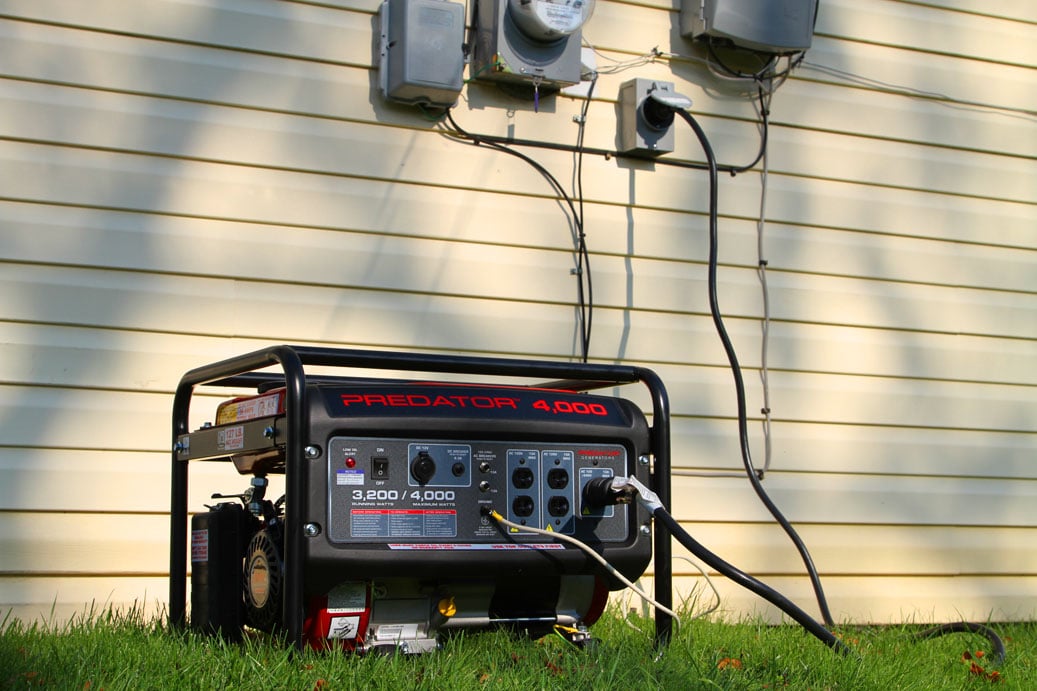
Alright, let’s be real. We’ve all been there. The lights flicker once, twice, and then BAM! Darkness. Your Wi-Fi router looks like a tiny, defeated robot. The fridge hums its last mournful note. Suddenly, that carefully planned dinner is at risk, the kids are complaining about their devices, and you’re wondering if you can still scroll TikTok on cellular data before it dies. It’s a scene as old as electricity itself, right?
Well, what if I told you there’s a way to flip the script on Mother Nature’s little light-out pranks? Enter the humble, yet mighty, generator. It’s like having your own personal, on-call superhero, ready to blast away the darkness and bring your modern conveniences back from the brink of oblivion. And trust me, getting it hooked up isn't nearly as scary as trying to assemble IKEA furniture with only the pictograms for guidance.
Fueling Your Freedom Machine
First things first, your generator needs to eat. Think of it like a very hungry, very important pet. Most generators run on gasoline, propane, or natural gas. Gasoline is probably what you’ll encounter most often. So, step one is making sure you have a good supply. Don’t wait for the power to go out to realize your gas cans are emptier than a politician’s promises. Keep some fresh fuel on hand, stabilized and ready to roll. Nothing’s worse than having a hero that's starving!
Must Read
Remember, fuel goes in the tank, not on the hot engine. Common sense, right? But in a panic, common sense can sometimes take a vacation. A quick check of the fuel gauge or a peek into the tank is all it takes.
Finding Its Happy Place (Safely!)
Now, this part is super important, folks, so lean in. Your generator needs to live outside. And I mean outside-outside, like several feet away from any doors, windows, or vents. We're talking fresh air city for this bad boy. Why? Because generators, while awesome, produce carbon monoxide – an invisible, odorless gas that's definitely not invited to your party. It's the silent ninja of nasty gases, and you absolutely do not want it sneaking into your house.

So, find a nice, dry, open spot. Maybe under an awning or a dedicated generator shelter if you’re fancy, but always with plenty of ventilation. Think of it as sending your generator to its own little outdoor spa day, away from anything flammable, of course.
Connecting the Dots (Without Calling an Electrician… Yet)
Okay, here’s where the rubber meets the road. There are a couple of main ways to connect your generator to your home’s electrical system, ranging from "super easy" to "a bit more involved but oh-so-worth-it."

The Extension Cord Tango (For a Few Things)
The simplest way, perfect for powering a few essential items, is with heavy-duty outdoor extension cords. We’re talking about those thick, bright orange ones that look like they could tow a small car. You’ll plug one end into the generator and the other directly into your fridge, a lamp, your phone charger, or that precious Wi-Fi router. Just make sure the cords are rated for outdoor use and can handle the wattage of what you're plugging in. Think of it like bringing specific snacks to a picnic – you’re not feeding the whole neighborhood, just a few key players.
Crucial Rule: Never, ever plug your generator directly into a wall outlet in your house. This is called "backfeeding," and it’s incredibly dangerous. It can send electricity back into the grid, potentially injuring utility workers trying to fix the outage. It’s a definite no-no, like trying to fix a leaky faucet with duct tape and a prayer.
The Transfer Switch Shuffle (For the Whole Shebang)
For a more seamless experience – we're talking powering your furnace, well pump, or a good chunk of your house without running extension cords everywhere – you’ll want a transfer switch. This is where you might want to call in a qualified electrician, because we’re dealing with your home’s main electrical panel here.
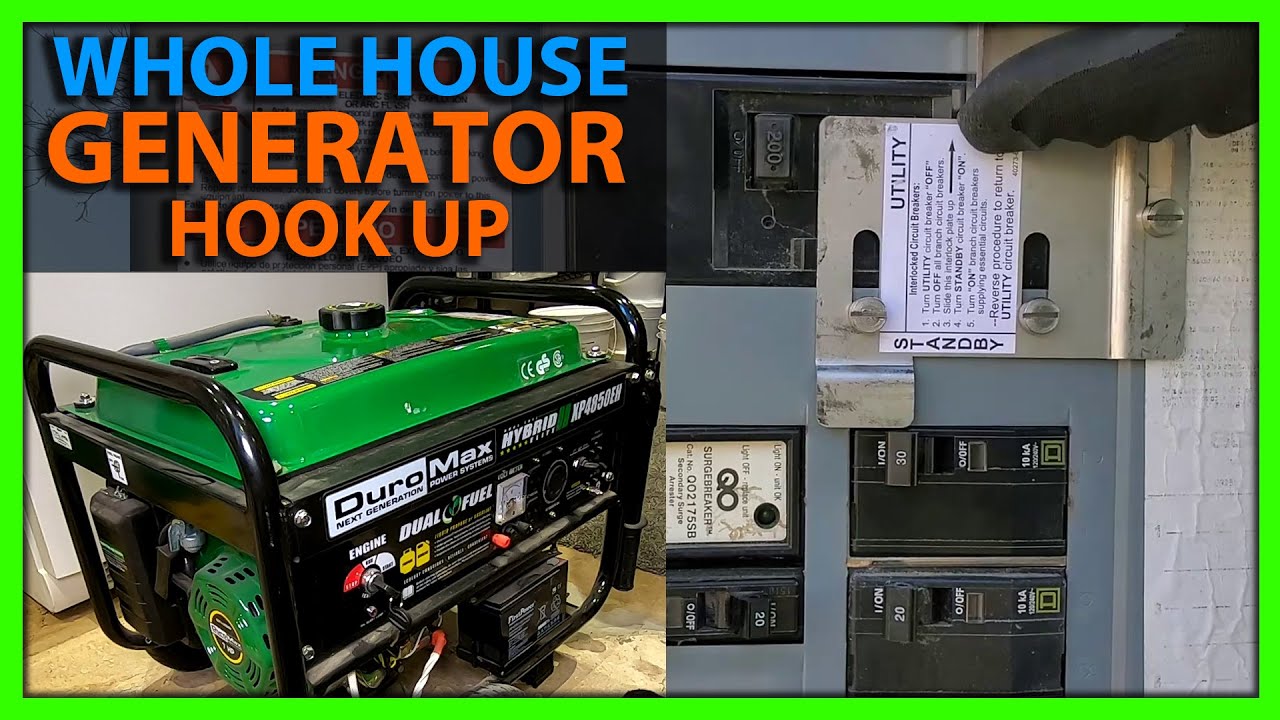
A transfer switch acts like a traffic cop for your electricity. When the power goes out, you flip a switch (on the transfer switch, not your main panel!) that disconnects your house from the utility grid and connects it to your generator. When utility power comes back on, you flip it back. It's the elegant, safe, and utterly satisfying way to bring your entire home back to life. It’s like having a secret, separate power grid just for your house, ready to deploy at a moment’s notice.
The Big Moment: Firing It Up!
With fuel topped off and connections made, it’s showtime! Make sure all your appliances and lights are turned off first (this reduces the initial load). Then, follow your generator’s specific starting instructions – usually, it involves turning on the fuel valve, setting the choke, and either pulling a recoil start or pushing an electric start button. You’ll hear that glorious roar, like a dragon waking up from a nap, and then… voilà! Power. It's a feeling of pure triumph, like winning the lottery, but for keeping your ice cream frozen.

Don't Overdo It!
Generators have limits, just like we do after a big holiday meal. Don’t try to power everything in your house at once. Prioritize! Think fridge, freezer, a few lights, maybe the Wi-Fi, and your phone charger. Trying to run the central AC, electric oven, and clothes dryer all at once will likely trip the breaker on your generator, or worse, damage it. It's like trying to fit an elephant into a phone booth – it's just not going to work, and something's going to give.
A Little TLC Goes a Long Way
Finally, just like any good friend, your generator appreciates a little love. Run it periodically (every few months) for about 20 minutes to keep the engine lubricated and the fuel fresh. Check the oil. Clean it off. This ensures it's ready to spring into action when you need it most. Because the last thing you want is for your superhero to be snoozing when the darkness descends.
So there you have it. Powering your house with a generator isn't some mystical dark art. It's a practical, empowering step toward self-sufficiency during those inconvenient outages. Next time the lights go out, instead of groaning, you'll be smiling, knowing your trusty generator is about to save the day. Go forth and generate, my friends!