
How To Play Twinkle Twinkle Little Star

Ever wanted to impress your friends with a musical talent, or maybe just soothe a cranky baby? Learning to play "Twinkle Twinkle Little Star" is a fantastic and surprisingly easy way to do it! This simple tune is a global favorite for a reason: it's catchy, comforting, and, most importantly, incredibly learnable on just about any instrument. Whether you've got a piano, a ukulele, a recorder, or even just a set of handbells, you can master this classic in no time.
The purpose of learning "Twinkle Twinkle Little Star" isn't just to add another skill to your repertoire. It's a gateway to the wonderful world of music. For beginners, it offers several key benefits. Firstly, it introduces you to basic musical notation, whether you're reading sheet music or following a simple diagram. Secondly, it helps develop finger dexterity and coordination, crucial for playing any instrument. And thirdly, it provides an immediate sense of accomplishment, which can be incredibly motivating to continue learning!
So, how do you actually play it? Let's break it down. We'll use the most common notes and simplified notation, perfect for anyone just starting out. We'll use numbers to represent the notes, making it super accessible.
Must Read
Here's the basic notation we'll use:
- 1 = C
- 2 = D
- 3 = E
- 4 = F
- 5 = G
Now, let's look at the notes for "Twinkle Twinkle Little Star":
Part 1:
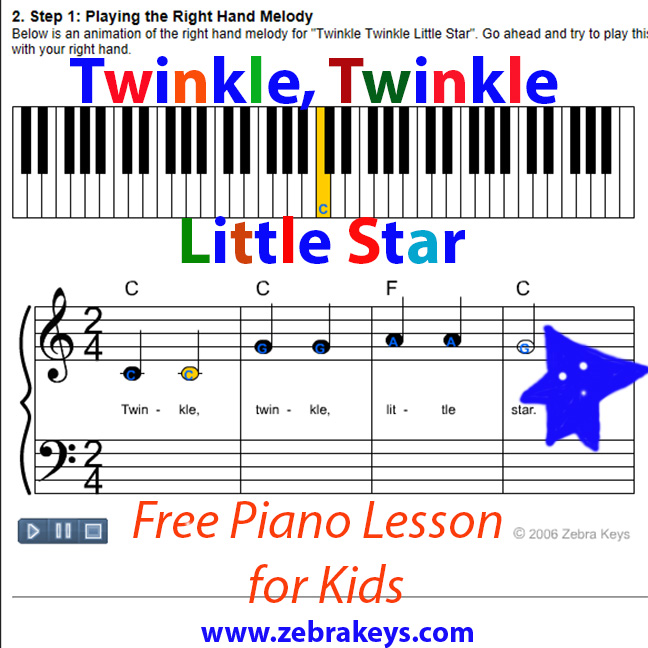
1 1 5 5 6 6 5
4 4 3 3 2 2 1
Part 2: (Repeat Part 1)
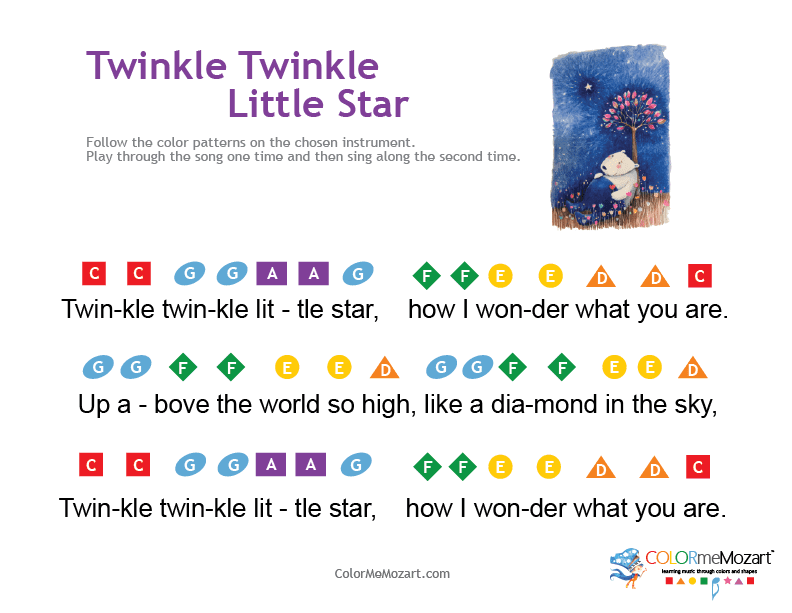
1 1 5 5 6 6 5
4 4 3 3 2 2 1
Part 3:
5 5 4 4 3 3 2
5 5 4 4 3 3 2
Part 4: (Repeat Part 1)
1 1 5 5 6 6 5

4 4 3 3 2 2 1
Practice makes perfect! Start slowly, focusing on getting the notes right. Don't worry about speed at first. Once you're comfortable with the notes, gradually increase the tempo. You can find countless online tutorials and resources specific to your instrument of choice that will show you exactly how to play these notes.
The beauty of "Twinkle Twinkle Little Star" is its adaptability. Once you've mastered the basic melody, you can start experimenting with different rhythms, harmonies, and even adding your own little flourishes. You can also transpose it to different keys to suit your instrument or vocal range. Most importantly, have fun with it! Music should be enjoyable, and this little tune is a perfect example of how simple melodies can bring immense joy.
So, grab your instrument, give it a try, and prepare to shine like a little star yourself!