How To Pick A Welding Helmet
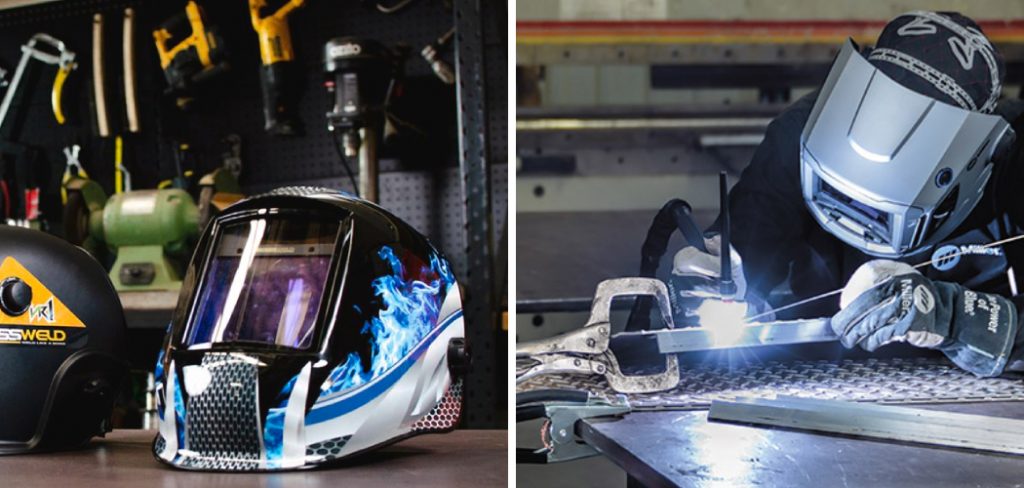
You’ve likely seen it – a captivating dance of sparks, a blinding flash, and someone skillfully joining pieces of metal to create something truly impressive. Welding is a fantastic blend of art, engineering, and pure grit, powering everything from our cars to towering skyscrapers. But beyond the fascinating glow, there's a crucial piece of gear that makes it all possible and, more importantly, safe: the welding helmet. Even if you've never held a torch, understanding this essential tool is a fun peek into a world of creation and protection.
So, what exactly is the big deal about a welding helmet? Its purpose is simple yet profoundly important: to protect your eyes and face. When an electric arc or flame is struck, it emits an incredibly intense light, rich in both ultraviolet (UV) and infrared (IR) radiation. Looking at this without protection is like staring directly at the sun – only much worse and immediate. The helmet shields you from this blinding light, preventing a painful condition known as "arc eye" (or photokeratitis), which is essentially a severe sunburn on your corneas. Beyond the light, it also acts as a crucial barrier against flying sparks, molten metal spatter, and intense heat, ensuring you can focus on your work without worrying about serious burns or injuries.
This isn't just a professional's tool; welding helmets are fundamental in various settings. In educational environments, like vocational schools, community college workshops, and even art studios, helmets are the first line of defense for aspiring welders learning metal sculpture or fabrication. In daily life, you might spot them on farmers repairing equipment, hobbyists restoring classic cars, or DIY enthusiasts building custom furniture or a robust fire pit for their backyard. They empower individuals to pursue their creative and practical projects safely, turning raw metal into functional or beautiful objects.
Must Read
If you're ever curious about diving into the world of welding, or simply want to understand the gear better, picking a helmet involves a few key considerations. One of the biggest advancements for beginners and hobbyists has been the auto-darkening helmet. Unlike traditional "passive" helmets, which have a fixed dark shade, auto-darkening lenses instantly switch from a light state to a dark shade the moment an arc is struck, and then lighten again when the weld is complete. This means you can keep your helmet on, see what you're doing before striking the arc, and enjoy much greater comfort and efficiency. It truly is a game-changer!
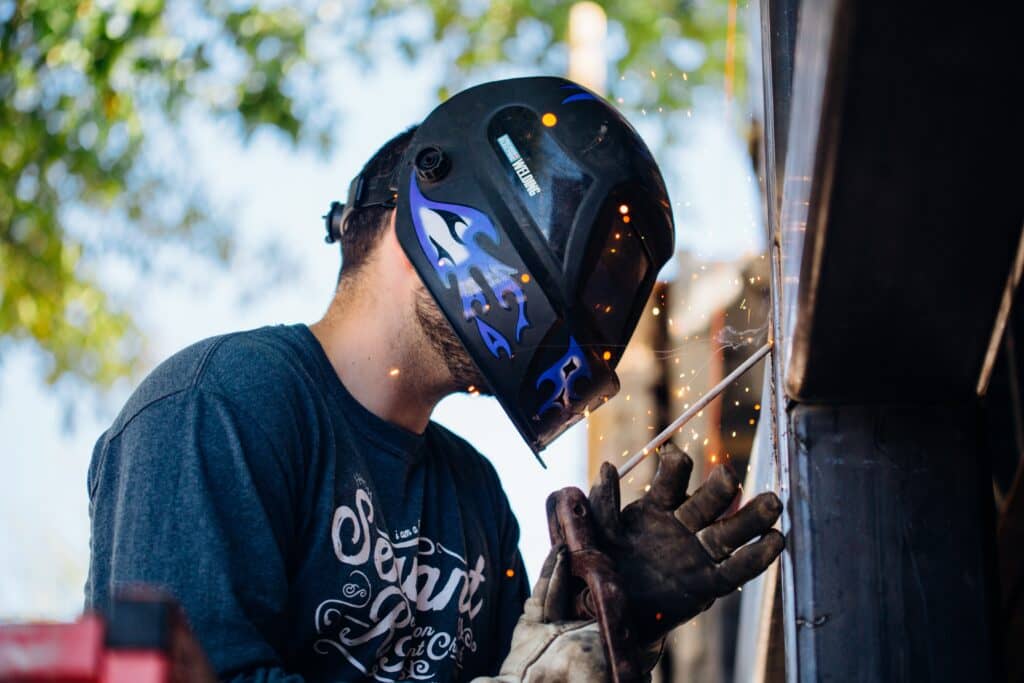
When choosing, also consider the shade range – different welding processes (like MIG, TIG, or Stick) require different levels of darkness. A helmet with an adjustable shade (e.g., DIN 9-13) offers versatility. Don't forget optical clarity, which refers to how clear the view is through the lens when it's in the light state – a clearer view means better precision. Finally, comfort and fit are paramount. A lightweight helmet with an adjustable, well-balanced headgear will make a huge difference during longer sessions. Always look for helmets that meet recognized safety standards, such as ANSI Z87.1, which ensures they've been rigorously tested for impact and optical protection.
So, the next time you see that bright flash of a welding arc, you'll know a little more about the unsung hero keeping the welder safe. Maybe it'll even spark your own curiosity to try a beginner's class! Knowing how to pick the right helmet is the first step towards safely exploring the incredibly rewarding world of metal fabrication.