
How To Open First Alert Carbon Monoxide Alarm

Let's talk about something exciting: cracking open a First Alert Carbon Monoxide Alarm. You know, the thing that beeps at you, usually at 3 AM?
I have a slightly unpopular opinion: these things shouldn't be fortresses. Why are they so darn hard to open?
The Quest Begins: Is It Even Possible?
First, locate the thing. It's probably clinging to your wall like a scared cat. Admire its sleek, plastic exterior.
Must Read
Then, stare at it intensely. Consider the years of engineering that went into making it this difficult to access the batteries.
Is there a little tab? A secret button? A hidden latch guarded by a tiny plastic dragon? Who knows!
I've spent more time trying to open these things than I have actually thinking about carbon monoxide. Just saying.
Tools of the Trade (Maybe)
Grab a screwdriver. Flathead or Phillips head, doesn't matter. You'll probably use both eventually. Prepare for battle.
A butter knife? Sure, why not. Maybe it'll just pop right open. (Narrator: it won’t.)
Dental floss? Okay, now we're just getting desperate. But hey, no judgment here.
Consider a small hammer. Just kidding! (Mostly.) But that frustration is real.
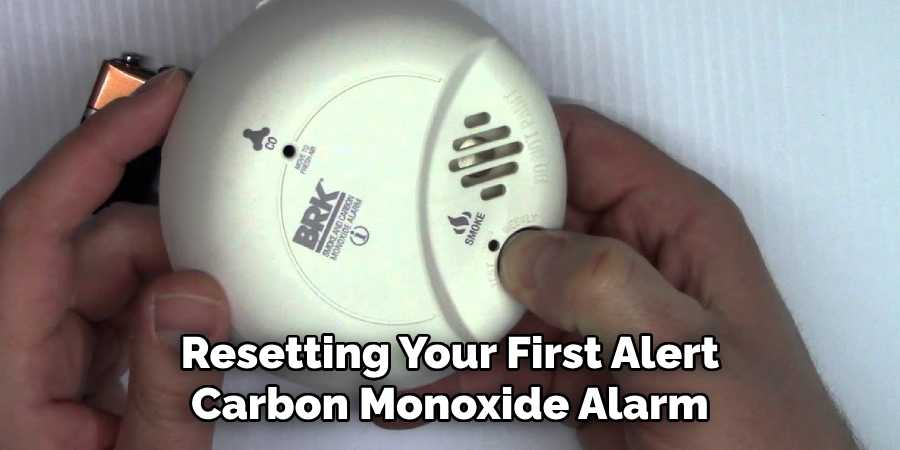
The "Official" Method (Supposedly)
Consult the manual. I know, I know, who reads manuals? But sometimes, just sometimes, it holds the key. (Spoiler alert: it rarely does.)
Look for arrows. Symbols. Hieroglyphics. Anything that suggests a point of entry. The manufacturer probably hid clues like a scavenger hunt.
Wiggle. Push. Pull. Pray. Repeat. This is the official First Alert dance.
Apply gentle pressure. Then, apply slightly less gentle pressure. Gradually increase the force until something either breaks or opens.
The Battery Compartment Conspiracy
Once you’re in, observe the batteries. Are they corroded? Did they explode? It's always a surprise.
Removing the old batteries can be another challenge. They're often stuck in there like they've taken root.
Now find new batteries. Did you buy the right kind? This is always a 50/50 chance.
Installing the new batteries should be easy. But it won’t be. They'll probably fight you every step of the way.
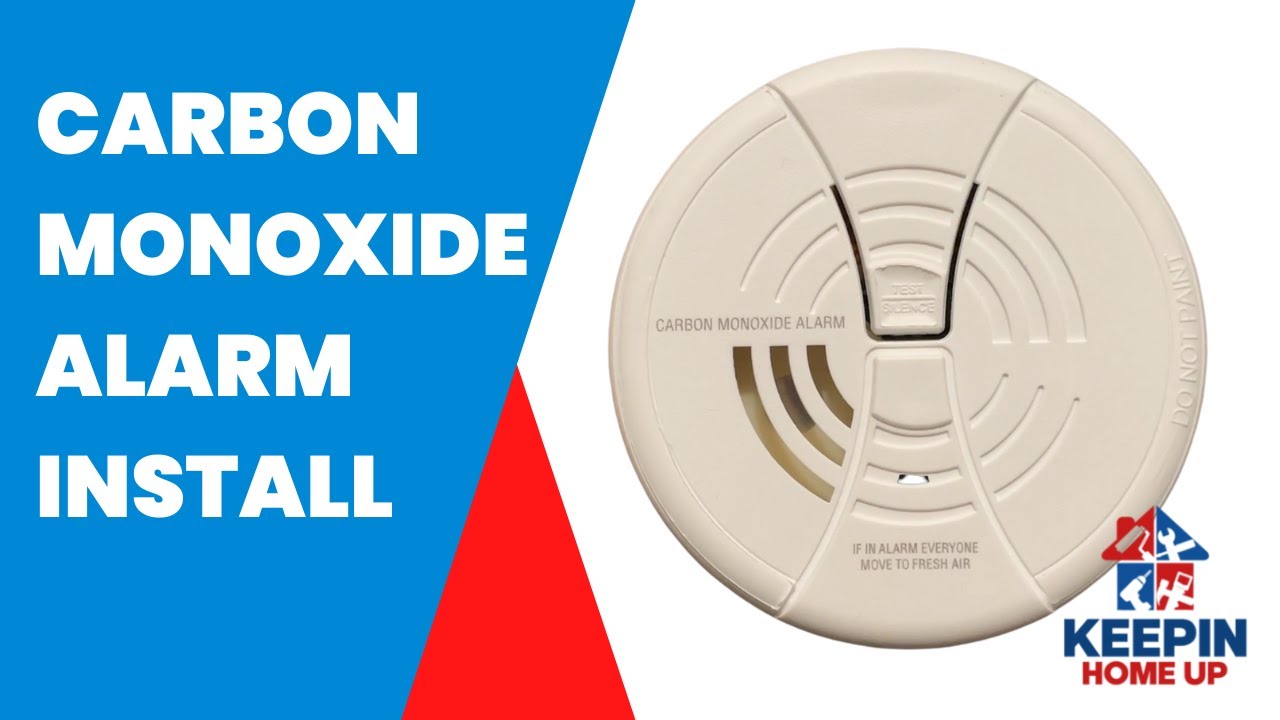
Reassembly: The Grand Finale (Hopefully)
Getting the cover back on is often harder than getting it off. Line up the tabs. Push. Curse. Repeat.
Is it secure? Probably not. But it's close enough. As long as it doesn't fall off the wall, you're golden.
Test it. Press the test button. Does it beep? If so, congratulations! You have successfully battled the First Alert Carbon Monoxide Alarm.
If it doesn't beep, start over. You're not alone. We've all been there.
Unpopular Opinion Time: They Should Be Easier To Open
Okay, here's my take: these things are safety devices. They're supposed to protect us.
But making them so difficult to access the batteries feels counterproductive. Especially for older adults, or anyone with dexterity issues.
Imagine an emergency. You need to silence the alarm. You're fumbling with tiny screws and impossible latches. Not ideal.

Shouldn't safety devices be, you know, user-friendly? I think so.
Give us a simple, straightforward design. A latch that opens with a single click. A battery compartment that's easy to access.
Is that too much to ask? I don't think so. Make battery changes less stressful, more intuitive.
I propose a new era of Carbon Monoxide Alarms. An era of easy access, user-friendliness, and minimal frustration.
Let's demand better from our safety devices. Easier access could make the difference when it matters most.
Alternative Solutions (If You're Feeling Crafty)
Consider a small label maker. Create custom labels for the opening mechanism. "PUSH HERE." "SLIDE TO OPEN." Simple, but effective.
Or, attach a small key ring to the latch. Provide extra grip and leverage. Every little bit helps.
Document your experience. Take pictures of the disassembly process. Create your own "how-to" guide for future you. Share it with the world!

The Future of Carbon Monoxide Alarms
Maybe, just maybe, future models will be easier to open. One can dream. Let's hope manufacturers are listening.
Until then, we'll continue to battle with these plastic puzzles. Armed with screwdrivers, butter knives, and a healthy dose of frustration.
But hey, at least we're keeping our homes safe. Even if it requires a minor engineering degree to change the batteries.
Remember, the goal is safety. So, even if you have to wrestle with the alarm for an hour, it's worth it.
Stay safe, stay alert, and may your battery changes be swift and painless (or at least, less painful).
Now, if you'll excuse me, I have another First Alert Carbon Monoxide Alarm to conquer. Wish me luck!
I might need it. Those little plastic dragons are getting smarter.
And if all else fails, there's always duct tape. (Just kidding! ...Mostly.)