
How To Measure Internal Resistance Of Battery

Hey there, battery buddies! Ever wondered why your trusty old AA suddenly gives up the ghost, even though it seems like it should have some juice left? The culprit might be hiding in plain sight: internal resistance.
Think of a battery like a tiny little kingdom, and the electricity is like its brave army trying to get out and power your gadgets. Internal resistance is like a grumpy gatekeeper, slowing them down and making their journey tougher. The higher the resistance, the less power gets delivered!
So, how do we figure out how grumpy this gatekeeper is? Let’s dive into measuring internal resistance – it's easier than you might think!
Must Read
The "Load" Method: A Simple Approach
This is the most common DIY method. It's like giving your battery a little workout and seeing how it performs. You'll need a few things:
- A voltmeter (a multimeter will do nicely – everyone should have one of these in their toolbox, right? Even if you only use it to pretend you're fixing your car!).
- A load resistor (a known resistance value, like a small lightbulb or a power resistor).
- Some connecting wires.
Step 1: Measure the Open Circuit Voltage (Voc)
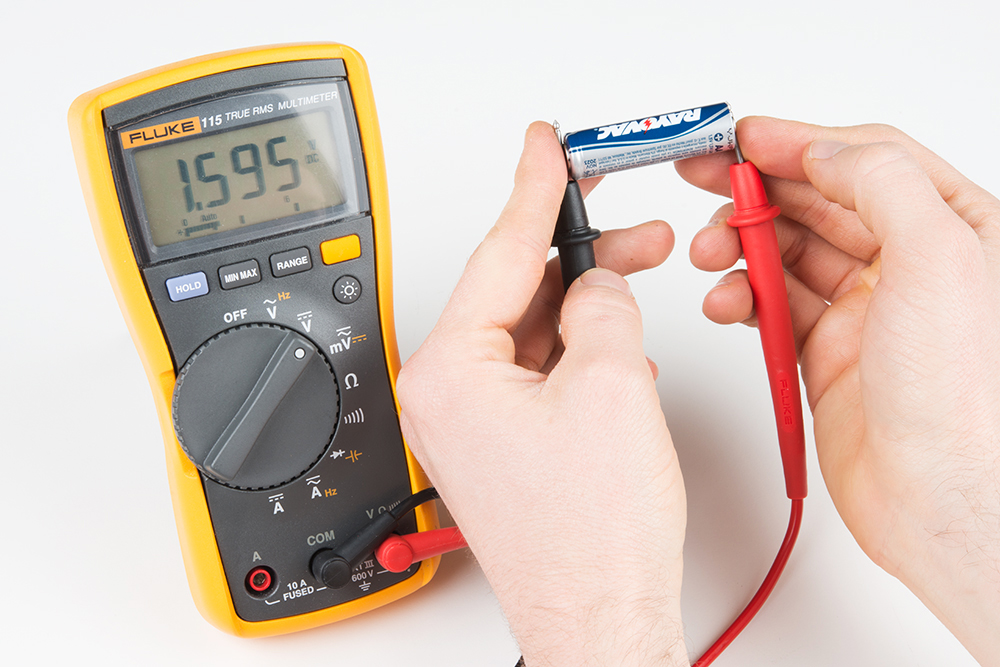
First, use your voltmeter to measure the voltage across the battery terminals without anything connected to it. This is the open-circuit voltage (Voc). Write it down! This is the battery at its most relaxed state, like a little battery vacation.
Step 2: Connect the Load Resistor

Now, connect the load resistor across the battery terminals. You're basically asking the battery to do some work. Don't worry, we're not overworking it!
Step 3: Measure the Loaded Voltage (Vload)
With the resistor connected, use your voltmeter again to measure the voltage across the battery terminals. This is the loaded voltage (Vload). Write this down too.
Step 4: Calculate the Internal Resistance (Ri)

Here comes the math! Don't panic, it's super simple. We'll use Ohm's Law in disguise:
Ri = (Voc - Vload) / I
Where 'I' is the current flowing through the circuit. We can find 'I' using Ohm's Law again:
I = Vload / Rload
So, the complete formula becomes:
Ri = (Voc - Vload) / (Vload / Rload)
Or, even simpler:
Ri = Rload * (Voc / Vload - 1)
Plug in your numbers, and you've got the internal resistance! Congratulations, you're practically a battery whisperer!
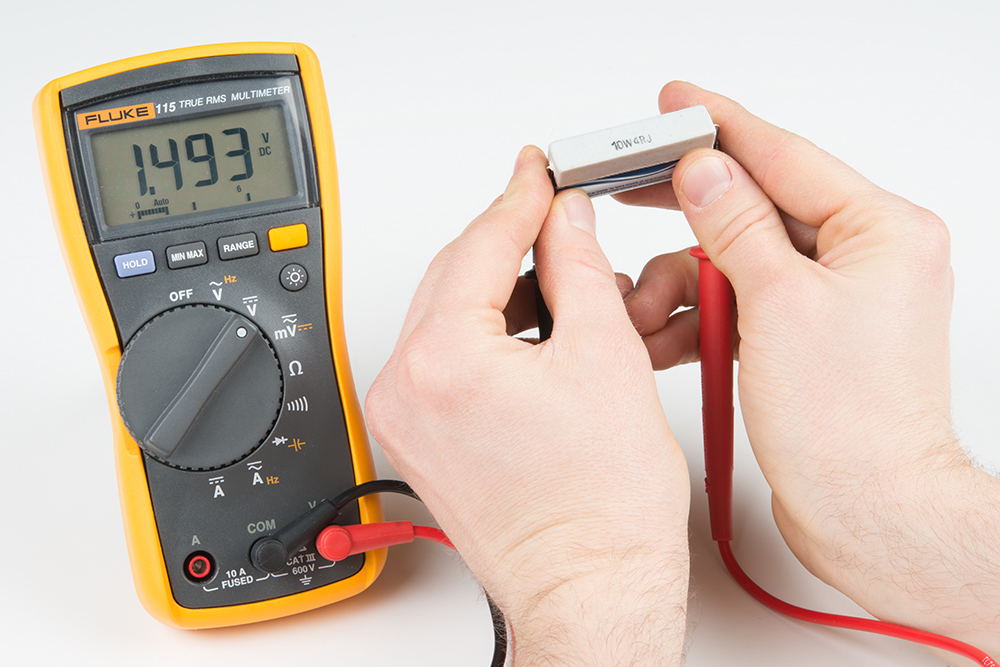
Important Note: Make sure your load resistor can handle the power dissipation (wattage). A resistor that's too small might overheat and become a tiny resistor fire hazard. Safety first, friends!
Why Does Internal Resistance Matter?
A high internal resistance means the battery is struggling to deliver power. This can lead to:
- Reduced battery life: Your devices won't run as long.
- Lower voltage output: Your device might not function correctly.
- Increased heat: The battery might get warmer than usual (and nobody likes a hot battery!).
So, checking the internal resistance can give you a good idea of a battery's health. It's like giving it a little physical exam.
Another Important note: Internal resistance changes with temperature. Testing at different temperatures will yield different values. Standard practice is to test at room temperature, or 25 degrees Celsius.
That's it! You've successfully measured the internal resistance of a battery. Now you can impress your friends with your newfound battery knowledge (or at least win a trivia night!). Remember, understanding your batteries is like understanding the secret language of electronics. Go forth and conquer the world, one energized device at a time! And always remember to recycle those batteries responsibly. Happy experimenting!