
How To Make Portable Air Conditioner Quieter
Okay, let's be real. You snagged that portable air conditioner, thinking you were about to enter a blissful oasis of cool. And you mostly are! Except...it sounds like a jet engine is taking off in your living room, right? Don't worry, you're not alone. We've all been there.
The good news? You don't have to choose between cool comfort and your sanity. There are actually a bunch of things you can do to quiet down that noisy beast. Think of it like this: you're not trying to silence it completely (impossible!), you're just trying to turn the volume down from "rock concert" to "chill background music."
Level Up Your Portable AC: Operation Quiet Time
Ready to dive in? Here are some simple hacks to make your portable AC whisper sweet nothings (or at least, hum a little less loudly):
Must Read
Location, Location, Location! Seriously, where you put your AC matters. Think of your room as a giant echo chamber. Hard surfaces like walls and floors bounce sound around, making everything louder. So, what can you do?
- Move it away from corners. Corners amplify sound, making the noise seem much louder.
- Position it on a soft surface. Imagine your AC sitting on a cloud (okay, maybe a rug). A rug or thick mat under the unit can absorb a surprising amount of vibration and noise. This is like putting a silencer on a gun, but for AC noise.
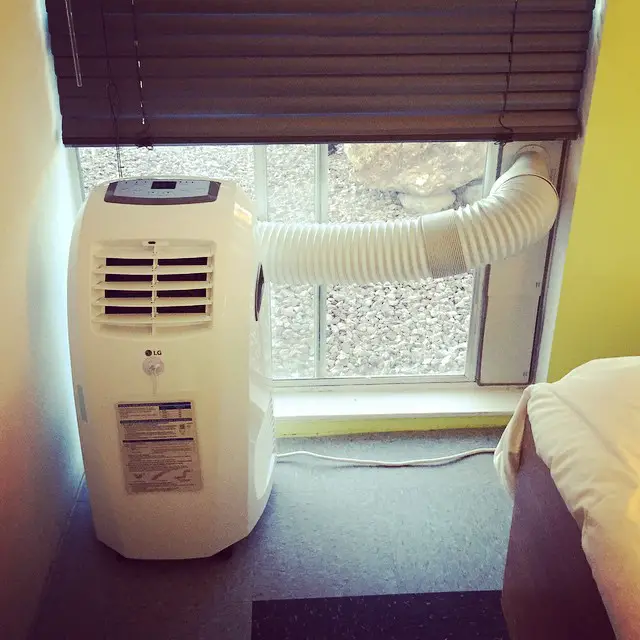
The Exhaust Hose: The Source of All Evil (Well, Most of It) That crinkly, plastic exhaust hose is a major culprit when it comes to noise. It's basically a megaphone for the AC's internal workings.

- Insulate, insulate, insulate! You can wrap the exhaust hose with insulation. Think of it like putting a cozy sweater on a noisy friend. You can find pipe insulation at most hardware stores. Just cut it to length and secure it with tape. This simple trick can make a noticeable difference.
- Consider an upgraded hose. Some aftermarket hoses are made from more sound-dampening materials. They might cost a bit more, but they could be worth it if you're serious about reducing noise.
Fine-Tuning For Maximum Silence
So you've dealt with the location and the hose. What's next? Let's dig a little deeper:
Vibration is the Enemy! Those AC units can vibrate like crazy, especially if they're not sitting perfectly level. This vibration transfers to the floor and walls, creating even more noise. What can you do to stop the madness?
- Check the leveling. Use a level to make sure your AC is sitting flat. If it's not, shim it up with small pieces of wood or cardboard.
- Anti-vibration pads. You can buy special anti-vibration pads designed for appliances. Place these under the unit to absorb vibrations.
Window Woes: Sealing the Deal (and the Noise) The window kit that comes with your portable AC is often... less than perfect. Gaps around the edges let in hot air (defeating the purpose!) and, you guessed it, noise.
- Seal those gaps! Use weather stripping or foam tape to seal any gaps around the window kit. Think of it as building a fortress against noise.
- Consider a custom window insert. If you're handy, you can make a custom window insert out of plexiglass or wood. This will provide a much tighter seal than the standard kit.
Beyond the Basics: Next-Level Quiet
Still not happy with the noise levels? Let's get a little more creative:
Sound Absorption is Your Friend. Remember how hard surfaces reflect sound? Well, soft surfaces absorb it. Adding more soft materials to your room can help dampen the overall noise level. Think curtains, rugs, tapestries, or even acoustic panels.
Is Your AC Just…Old? Sometimes, the noise is simply a sign that your AC is getting old and tired. The motor might be wearing out, or internal components could be loose. If you've tried everything else and your AC is still roaring like a dinosaur, it might be time for an upgrade.
Don't Expect Miracles. Let's be honest, portable ACs aren't known for being whisper-quiet. Even with all these tips, you'll probably still hear it running. But hopefully, you can bring the noise level down to a point where it's less annoying and more…background hum.
Ultimately, finding the right balance between cool comfort and peace and quiet is key. Experiment with these tips and see what works best for you. Good luck, and may your summer be cool and relatively quiet!
