
How To Make Metal Casting Molds

Ever wonder how they make those intricate metal statues, or even just some gnarly machine parts? It's not magic, dude, it's all thanks to molds! These unsung heroes are the real MVPs of the metal casting world, and making them is surprisingly fun and kinda messy.
Think about it: you want to turn molten metal, which is basically super-hot liquid rock, into a specific shape. How do you do that without it just flopping everywhere? You need a container, a precise hollow space, a negative imprint of what you want to create. That, my friend, is a mold.
The Classic: Sand Casting!
This is where a lot of the magic begins. Imagine playing in a giant sandbox, but with a purpose! Sand casting uses a special kind of sand, often called greensand. Fun fact: it's usually not green at all! It's just a mix of silica sand, clay (for stickiness!), and water. It holds its shape like a champ.
Must Read
You start with a "pattern." This is basically a model of the object you want to cast. Could be wood, plastic, metal – whatever. It's often split into two halves for easier mold-making. Picture a cool little figurine or a gear.
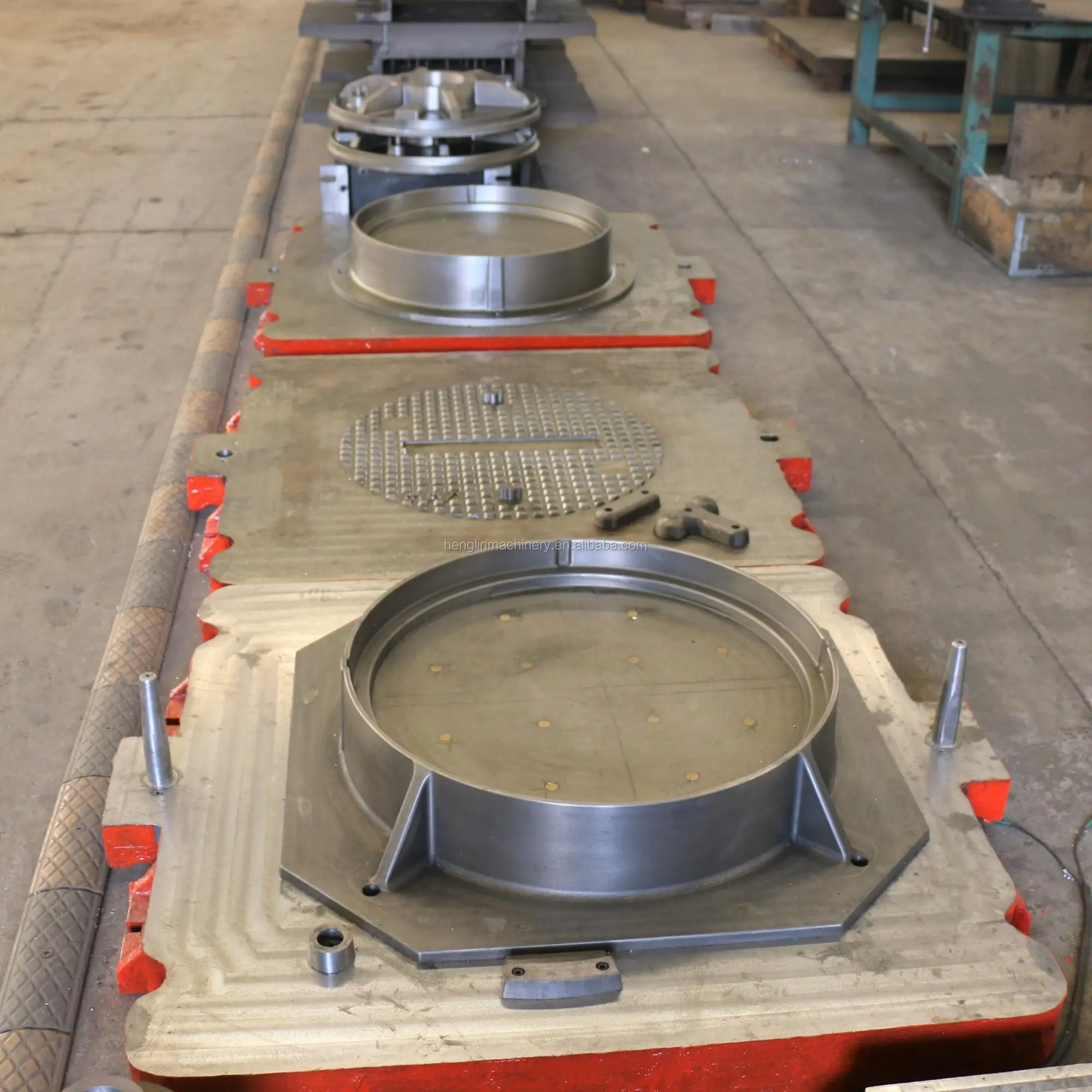
Then comes the "flask." Not the kind you drink from, thankfully! This is a two-part box, called the cope (top) and the drag (bottom). You place half your pattern in the drag, pack it full of that special sand, and ram it down really tight. You want it dense, firm, no wobbly bits!

Flip it over, add the other half of your pattern, slap on the cope, and repeat the sand-packing frenzy. This ramming process is actually super satisfying. It's like building the ultimate sandcastle, but way more durable.
But wait, how does the metal get in there? You need channels! We call these the sprue (the main pouring channel), runners (like little highways), and gates (the entrance into your actual mold cavity). And sometimes a riser, which is like a relief valve for excess metal and gas. It's a whole plumbing system for liquid metal!
Once all the sand is packed and the channels are made, you carefully, oh-so-carefully, split the flask and extract your pattern. It's like a surgical operation! You're left with a perfect, hollow impression in the sand. Then you put the two halves of the mold back together, clamp them tight, and you're ready to pour!
![Metal casting molds supplies [2022] - Mira Alloy Steels](https://miraalloys.com/wp-content/uploads/2022/09/Metal-casting-molds-supplies.jpg)
Lost-Wax Casting: For the Fancier Stuff
Want something super detailed? Think intricate jewelry, tiny sculptures, or even dental crowns. That's where lost-wax casting shines. It's an ancient technique, dating back thousands of years! The Egyptians were rocking this method.
Instead of a solid pattern, you create your object entirely out of wax. Yes, wax! You can carve it, sculpt it, even 3D print it. This gives you incredible detail because wax is so workable.
Next, you surround your wax masterpiece with a special ceramic slurry, often called "investment." It's like giving your wax figure a really thick, plaster-like coat. This creates a hard, heat-resistant shell around it. Multiple layers make it super strong.
Here's the quirky part: once the investment hardens, you bake the whole thing in a kiln. What happens to the wax? It melts and drains away! Poof! It's gone, leaving a perfectly hollow cavity inside the ceramic shell. Hence, "lost-wax."
Now you have a ceramic shell with the exact shape of your original wax model inside. Pour in your molten gold, silver, bronze, or whatever metal your heart desires. Once it cools, you break open the ceramic shell (so satisfying!), and voilà! Your metal object is born, perfectly replicating every tiny detail from the wax.

Why is this stuff so cool?
It's a fantastic blend of art, science, and a little bit of magic. You're taking a void, an empty space, and filling it to create something solid and beautiful. It’s literally turning nothing into something!
The smell of hot metal and damp sand has a unique, almost primal appeal. There’s a certain thrill in breaking open a mold, not knowing exactly what you'll find. Will it be perfect? Will there be a funny flaw? Each cast is an adventure.
Making molds is about precision, patience, and a little bit of playfulness. It’s a testament to human ingenuity, turning basic materials into tools, art, and everything in between. So next time you see a metal object, spare a thought for the humble mold that made it all possible!