How To Make A Warm Room Cooler
Alright, so picture this: you walk into your living room on a blistering summer afternoon, and it feels less like a comfy sanctuary and more like the inside of a warm, slightly stuffy pita bread. Sound familiar? We've all been there, right? That moment when you just wanna throw open the freezer door and stick your head in for a good minute. But what if I told you there are some super cool, almost magical ways to turn that oven-like room into a breezy oasis? And it doesn't always involve blasting the AC or building an igloo in your backyard.
It's all about understanding a little bit about how heat works, and then playfully tricking it. Think of heat as a mischievous little imp, always trying to sneak into your space. Our job? To become clever bouncers, gently but firmly showing it the door. Or, better yet, preventing it from even getting inside. Let's dive into some chill tactics!
The Stealthy Sun Blocker
Okay, first up, let's talk about the big culprit: the sun. Our glorious star, a source of life and... a whole lot of heat. You know how when you park your car in direct sunlight, it turns into a sauna, but if it's under a tree, it stays much cooler? The same principle applies to your home. Sunbeams aren't just light; they're also carrying a hefty dose of infrared radiation, which basically means pure heat energy, ready to warm up every surface it touches inside your room.
Must Read
So, the simplest, most effective trick is often to block that sun before it even gets cozy. Heavy curtains, blinds, or even external shades are your best friends here. Think of them as tiny, personal sun shields for your windows. It's not just about aesthetics; it's about creating a barrier. You'll be amazed at the difference a good set of blackout curtains can make. It’s like putting on sunglasses, but for your house!
The Art of the Breeze (Even When There Isn't One)
Ever notice how a gentle breeze just feels so much better than stagnant hot air? That's because moving air helps your body evaporate sweat, which is nature's own cooling system. But what if there's no natural breeze outside? That's where we get strategic with our windows and fans.

The trick is creating a cross-breeze. If you have windows on opposite sides of a room or house, open them both a little bit. The air pressure difference, even if subtle, will encourage air to move through your space. It's like setting up a miniature wind tunnel, coaxing the air to flow and carry away some of that stuffy heat. Bonus points if you can open windows on the cooler, shaded side of your house and let air escape on the hotter side. This creates a natural draw!
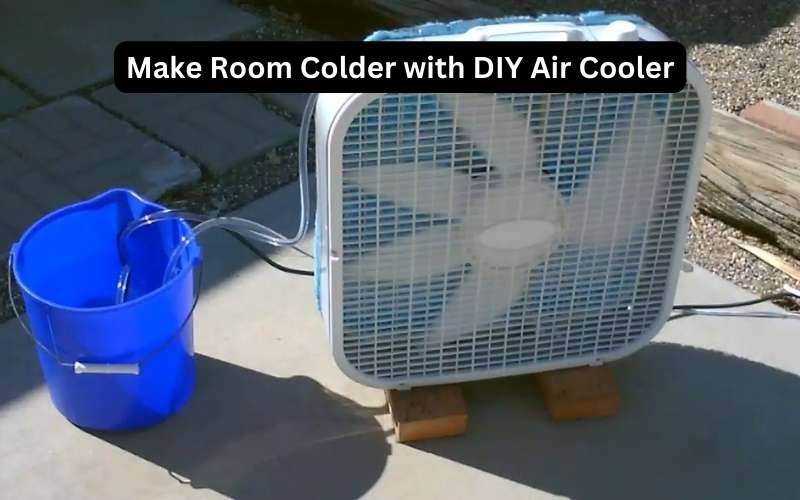
And fans? Oh, fans are often misunderstood. A ceiling fan doesn't actually cool the air; it cools you by creating that lovely breeze. For a room, you can make fans more effective. Try positioning a box fan to face out of an open window, pushing hot air out. At the same time, open another window on the opposite side of the room to pull in cooler air. Voila! Instant exhaust system. Or, for a super-boosted personal cool-down, place a bowl of ice or a frozen water bottle in front of a fan. As the ice melts and evaporates, the fan blows that chilled, moist air your way. It's like having a mini, DIY air conditioner!
Dim the Lights, Cool the Vibes
Here’s one we often overlook: the sneaky heat sources inside our rooms. Every incandescent light bulb, every computer screen, every TV, and especially kitchen appliances, are little heat generators. They’re like tiny, enthusiastic furnaces, subtly contributing to the overall warmth of your space. Think about a hundred little birthday candles all burning at once – that’s a lot of heat!

So, during those sweltering hours, try to minimize their use. Turn off lights in rooms you're not using. Embrace natural daylight (if you can block the direct sun, of course!). Unplug chargers and electronics when they're not in use. Even in standby mode, they're often drawing power and generating a little bit of heat. This isn't just about saving energy; it's about stopping those little heat imps from setting up camp in your living space. And cooking? Maybe opt for a salad or outdoor grilling on the hottest days, rather than firing up the oven. Your kitchen will thank you!
The Power of Water (Beyond Drinking It!)
We already touched on the fan and ice trick, but water has other cool secrets. Evaporation, my friends, is a superhero when it comes to cooling. When water changes from a liquid to a gas (evaporates), it absorbs heat from its surroundings. It's a scientific marvel that we can totally hack.

Consider dampening a sheet or a towel and hanging it near an open window or in front of a fan. As the water evaporates, it will pull heat from the air, making your space feel a little fresher and less stifling. You can even mist the air lightly with a spray bottle – just make sure you don't overdo it and create a damp, humid mess. The key is subtle evaporation. It’s like giving your room a tiny, refreshing spa treatment!
Think Like a House Whisperer
Ultimately, making a warm room cooler without relying solely on energy-guzzling AC is about becoming a bit of a detective. Observe your room. Where does the sun hit? Where does the air feel stagnant? When is it hottest, and when does it cool down a bit?
By understanding these patterns, you can apply these simple, fun, and often surprisingly effective strategies. It’s not just about enduring the heat; it’s about playfully outsmarting it, turning your home into a clever little haven from the summer sizzle. So go forth, experiment, and enjoy your new, cooler domain!