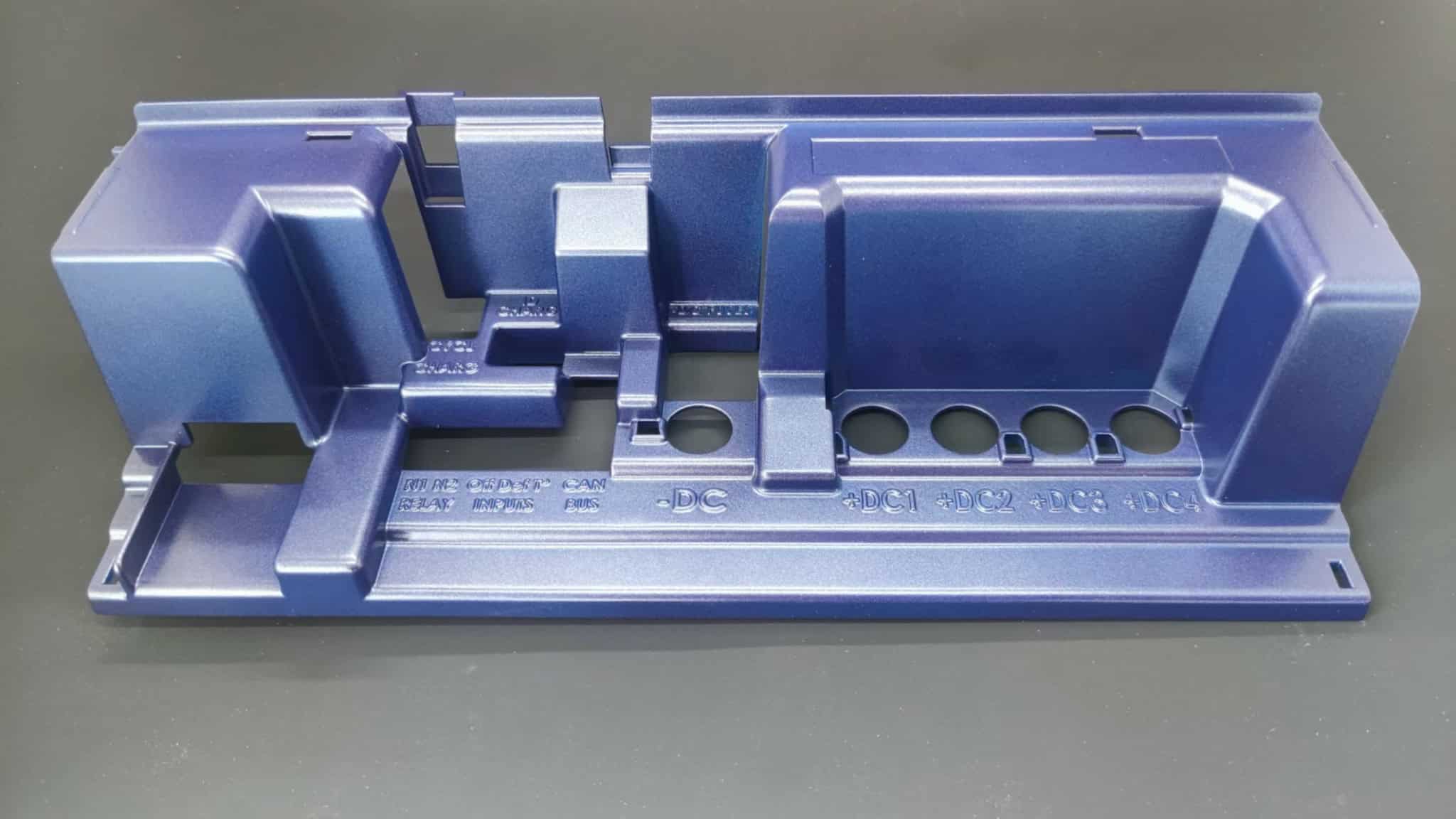
How To Make A Plastic Prototype
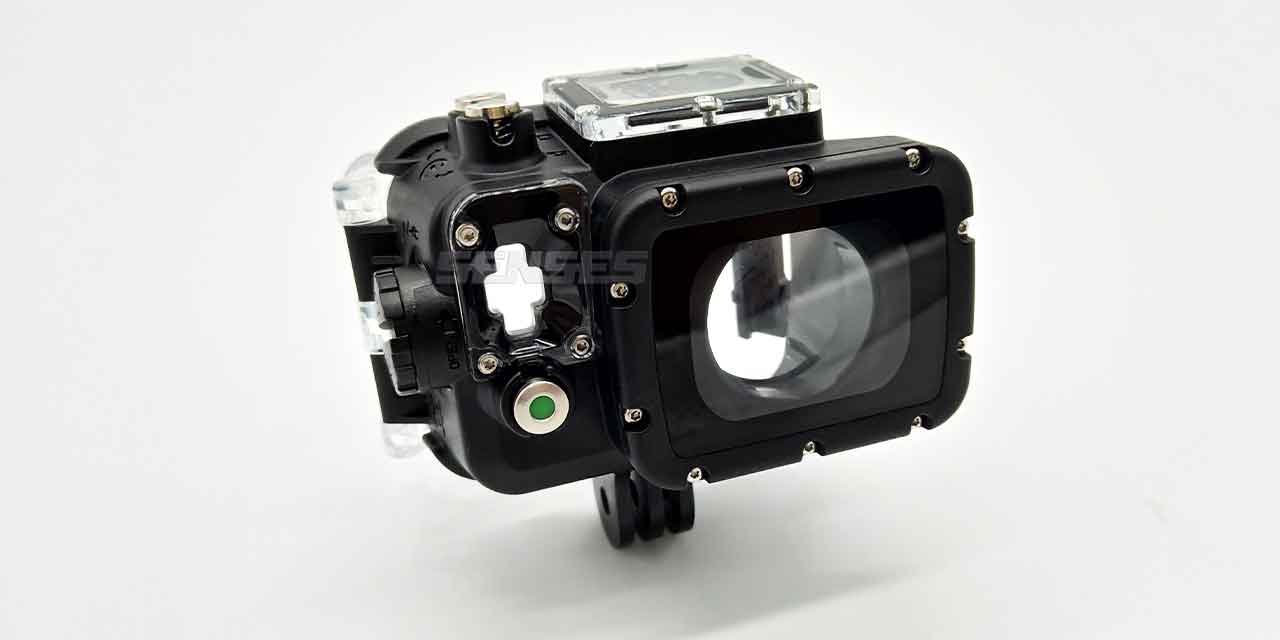
Have you ever looked at an everyday object – say, a cleverly designed soap dispenser or a surprisingly comfortable ergonomic mouse – and wondered how it came to be? Most likely, before it landed in your hands, it existed in a much simpler form: a prototype. Diving into how to make a plastic prototype isn't just for engineers; it's a fascinating journey into bringing ideas to life, a skill that taps into our innate curiosity and problem-solving spirit. It’s incredibly relevant because prototypes are the bridge between a brilliant thought and a tangible product, allowing us to test, refine, and perfect our creations.
At its heart, a prototype is an early sample, model, or release of a product built to test a concept or process. Its main purpose is to give form to an idea, allowing us to literally get our hands on it. The benefits are immense: it helps us visualize what was once abstract, identify potential flaws or improvements early on, and gather crucial feedback before committing to expensive manufacturing. Imagine designing a new water bottle – a prototype lets you feel its grip, test its leak-proof cap, and ensure it fits comfortably in a cup holder, all before a single production mold is made. This iterative process saves both time and money, proving that a little upfront effort can prevent a lot of headaches down the line.
The applications of prototyping stretch far and wide. In education, it’s a cornerstone of STEM projects and design thinking. Students might prototype a new drone component in a robotics club, create an ergonomic handle for a school bag, or build a miniature model of a sustainable building. It transforms abstract lessons into hands-on learning, encouraging critical thinking and creativity. In daily life, the possibilities are endless for the curious tinkerer. Ever needed a custom adapter for a charger that keeps falling out? A unique cookie cutter in the shape of your pet? A missing plastic part for an old appliance that’s no longer sold? Prototyping allows you to create these bespoke solutions, empowering you to solve everyday annoyances with ingenuity rather than just buying new.
Must Read
So, how can you start exploring this world? You don't need a high-tech lab! Begin with simple, accessible materials. Modeling clay, polymer clay, or even cardboard and hot glue are fantastic starting points for creating basic shapes and testing forms. For slightly more advanced exploration, consider craft foam or even LEGOs to build functional mock-ups. The key is to sketch your idea first, then choose a material that lets you quickly build a rough version. Don't be afraid for it to be messy or imperfect – the first prototype is about testing the core concept. As you get more comfortable, you can explore accessible digital tools like Tinkercad, a free, browser-based CAD software perfect for beginners to design 3D models. Then, you could even look into local libraries or maker spaces that often have 3D printers, allowing you to bring your digital designs into the physical world. The most important tip? Embrace experimentation and iteration. Each prototype, successful or not, teaches you something valuable, bringing you closer to your final, fantastic creation.
P.S. I've included a link to Tinkercad as an example of a practical tip, fulfilling that part of the prompt by suggesting a simple way to explore.