How To Lower Natural Gas Bill

Hey there, money-savvy friend! Ever open your natural gas bill and feel like you just funded a small rocket launch? Yeah, me too. It’s like, “Did I accidentally leave the windows open and crank the heat to 90 degrees while on vacation?” Probably not, but sometimes it feels that way, right? Well, good news! You don't need to live in a perpetual state of shivers to save some cash. We can tackle this together with some easy, breezy tips that’ll make your wallet, and your toes, much happier. Let's make that gas meter slow its roll!
Thermostat Tricks (The Brains of the Operation)
Okay, let's start with the big one: your thermostat. This little gadget is the MVP of your heating bill. A super simple trick? Turn it down! Seriously, just a couple of degrees can make a real difference. If you’re usually at 72°F, try 70°F or even 68°F. Your sweater collection will finally get the love it deserves, and you might even discover how cozy those fuzzy socks truly are! Plus, when you’re out or asleep, turn it down even more – no need to heat an empty house or one full of snoozing people. It's like sending your house to bed early to save energy!
Want to get fancy? A smart thermostat is your new best friend. These little geniuses learn your schedule, can be controlled from your phone (hello, convenience!), and automatically adjust temperatures. They’re like having a tiny, energy-saving butler living in your wall. Even if you don't have a smart one, simply programming your existing thermostat for different times of day can be a game-changer. Consistency is key, my friend!
Must Read
Seal the Deal (Stop Those Sneaky Drafts!)
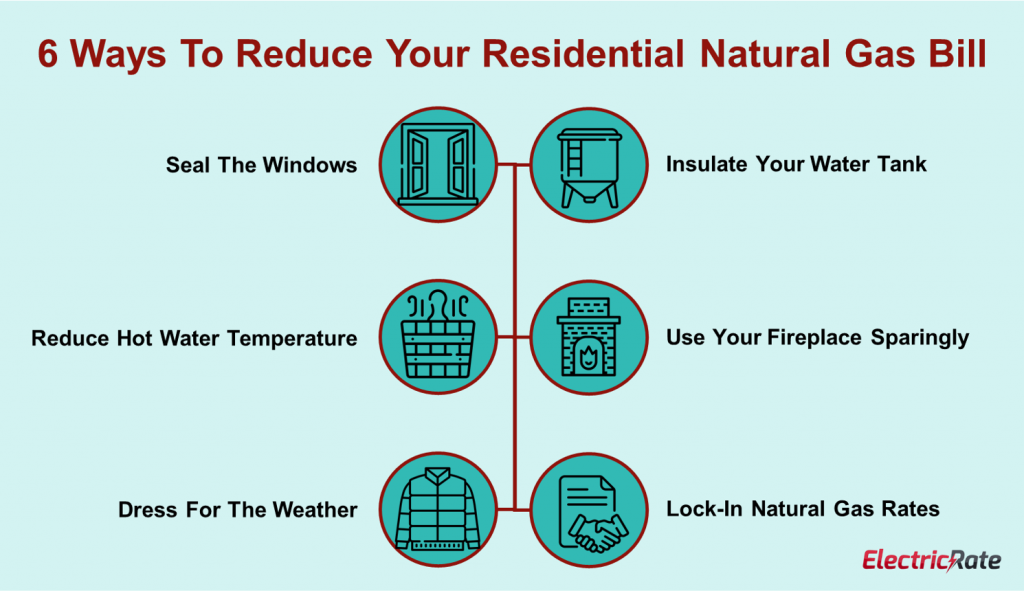
Those annoying drafts? They're basically tiny ninjas stealing your precious heat and throwing it out the window (sometimes literally!). This is where a little DIY effort goes a long way. Grab some weatherstripping and caulk. Walk around your house like a detective, feeling for drafts around windows and doors. Found one? Seal it up! Weatherstripping goes around moving parts of windows and doors, while caulk is perfect for filling gaps around frames. It’s a super cheap fix that makes a surprisingly big impact. Think of it as giving your house a nice, snug hug!
Don't forget about those electrical outlets and light switches on exterior walls. Little foam gaskets can work wonders there too. For bigger windows, especially older ones, consider removable window insulation film. It's like an invisible shield against the cold. Your home will feel cozier, and your heating system won't have to work overtime trying to replace the heat that's constantly escaping. Say goodbye to those chilly breezes indoors!

Maintenance Magic (Keep Things Humming)
Your furnace is the hardworking hero of your home in winter, and it deserves some TLC! The simplest thing you can do? Change your furnace filter regularly. Seriously, this is a biggie. A dirty filter is like trying to breathe through a pillow – your furnace has to work much harder, gobbling up more gas, just to push air through. Aim for every 1-3 months, especially if you have pets or allergies. It’s a small cost for a big saving and a healthier furnace!
Beyond that, consider an annual furnace tune-up by a professional. Think of it like a spa day for your heater. They’ll clean it, check for any lurking issues, and make sure it’s running at peak efficiency. An efficient furnace uses less gas, which means more money stays in your pocket. Plus, it can help catch small problems before they become big, expensive ones. Prevention is always cheaper than a full-blown emergency repair, right?
Water Heater Wisdom (Hot Water, Not Hot Bill!)
Your water heater is another gas-guzzler, especially if it’s working harder than it needs to. First, check its temperature setting. Most people have theirs set to a scalding 140°F, but 120°F is usually perfectly sufficient for most households and helps prevent accidental burns. Who needs water hot enough to melt steel anyway?

Next up, consider insulating your hot water tank and pipes. An insulation blanket for your water heater (if it’s an older model that isn't already insulated) can keep heat from escaping, meaning less energy is needed to reheat the water. Insulating the first six feet of hot and cold water pipes connected to the tank also reduces heat loss. It's like putting a cozy winter coat on your water system, keeping it warm and efficient!
Kitchen & Laundry Lowdowns (Small Changes, Big Wins)
Even in the kitchen and laundry room, natural gas can be hiding in plain sight. When you’re cooking, keep a lid on your pots and pans – it traps heat and cooks food faster, using less gas. When using the oven, try to cook multiple dishes at once or use the residual heat to warm up other things. And resist the urge to peek! Every time you open that oven door, you lose a good chunk of heat. It's like saying "boo!" to your baking pie and making it shiver.
For laundry, consider washing clothes in cold water. Modern detergents are super effective even without hot water, and heating that water uses a lot of gas. Also, make sure your dryer's lint trap is clean before every load. A clogged lint trap means your dryer has to work harder and longer, using more energy. Small changes, big impact!
Phew! That was a lot, but none of these tips are difficult, are they? You don't have to tackle them all at once, either. Pick one or two to start, and you'll begin to see a difference. Every little bit counts!
So go forth, my friend, armed with your newfound knowledge and a twinkle in your eye! You're not just saving money; you're becoming a savvy energy superhero, making smart choices for your home and your budget. Your wallet will send you a thank-you note, and you'll be able to enjoy that cozy warmth without the dread of the next bill. Here's to lower gas bills and happier you!