How To Look Up Crimes In Your Neighborhood
Ever found yourself scrolling through local news, wondering what’s really happening just beyond your doorstep? It’s a natural human curiosity, isn't it? Like being a friendly neighborhood detective, many of us enjoy the peace of mind – or simply the sheer intrigue – that comes from knowing a bit more about our own stomping grounds. In an age where information is at our fingertips, uncovering the crime statistics of your local area has become less about morbid curiosity and more about smart, informed living.
The purpose of this neighborhood sleuthing isn't to breed paranoia, but rather to foster empowered peace of mind. Knowing the lay of the land, crime-wise, allows you to make smarter decisions for everyday life. Are you considering a new apartment or house? Checking crime rates can give you invaluable insight before you sign on the dotted line. Are you a new parent wondering about the safest parks or schools for your little one? A quick search can help you assess the environment. Or perhaps you're just keen to stay informed about local trends, separating neighborhood fact from social media fiction, and understanding where your community could benefit from more engagement.
Common ways people apply this knowledge are varied and practical. Beyond moving decisions, it's about daily awareness: understanding peak times for certain incidents, knowing which areas might be best to avoid late at night, or simply being better prepared for community discussions. It transforms vague anxieties into concrete information, allowing you to participate in local solutions or even contribute to neighborhood watch efforts. From planning a jogging route to deciding where to let your kids ride their bikes, this information is a powerful tool for navigating your environment with greater confidence.
Must Read
So, how do you become an effective, informed neighborhood-watcher without turning into a full-time worrywart? Here are some practical tips to enjoy this detective work more effectively:
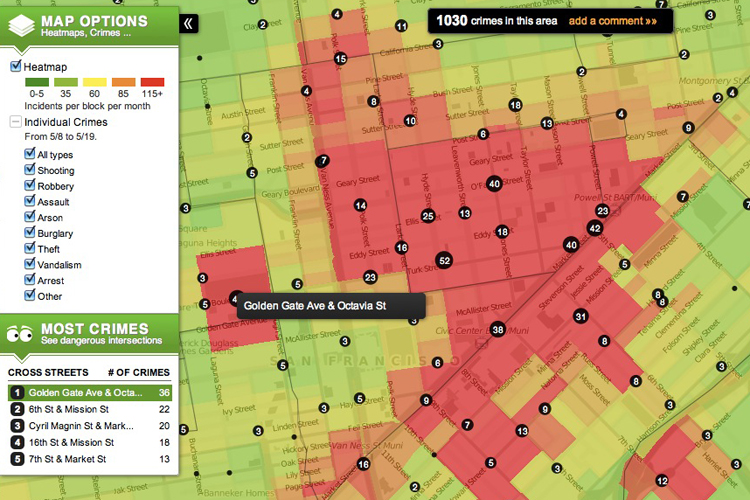
- Go to the Source: Your local police department or sheriff's office website is often the gold standard. Many now feature interactive crime maps or detailed incident reports. Look for sections like "Crime Data" or "Community Information."
- Utilize Reputable Third-Party Aggregators: Websites like CrimeMapping.com, SpotCrime, or NeighborhoodScout often pull data directly from various law enforcement agencies. They can be great for a bird's-eye view, but always check when the data was last updated and its source for accuracy.
- Context is King: Don't just look at numbers. Understand what kind of crimes are happening. A cluster of car break-ins around a busy shopping center is different from a pattern of violent crime on residential streets. Dig deeper into the details if available.
- Look for Trends, Not Just Incidents: A single incident, while concerning, might be an anomaly. Consistent patterns over time (e.g., a specific type of crime increasing or decreasing over months) are what truly indicate a developing situation.
- Don't Panic, Inform: Information is for awareness, not for constant fear. Use it to inform your actions – like reporting suspicious activity, ensuring your home security is up to par, or joining a local community group – rather than retreating in anxiety.
- Combine Data with Real-World Observation: Data tells one part of the story; real life tells another. Walk around, talk to long-time residents, visit the area at different times of day. This qualitative understanding will give you a much richer picture.
By approaching neighborhood crime data with a curious mind and a sensible perspective, you can transform a simple search into a powerful tool for personal safety and community empowerment. Happy sleuthing!

![Crime Scene Search Methods & Patterns [Use + Examples]](https://forensicreader.com/wp-content/uploads/2023/04/Types-of-Crime-Scene-Search-Methods-and-Patterns.webp)