How To Know The Charge Of A Transition Metal

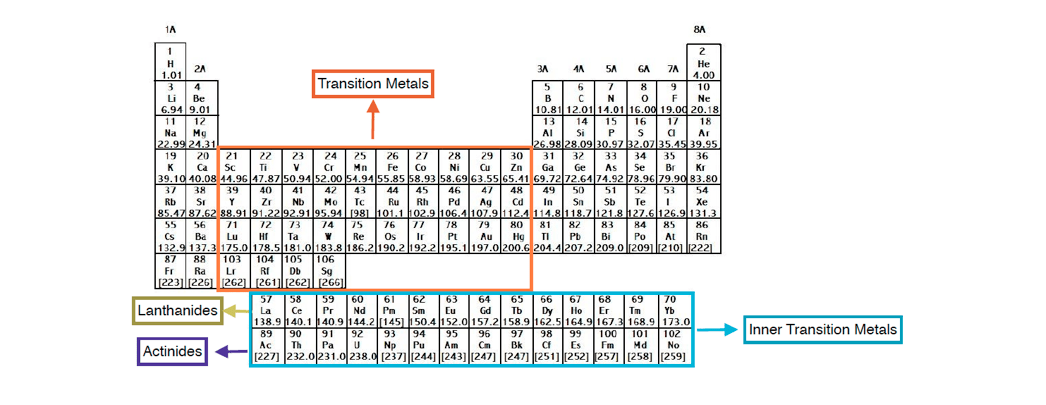
Ever wondered how those vibrant, captivating colors appear in everything from dazzling jewelry to bold industrial pigments? Chances are, transition metals are playing a starring role! These elements, nestled comfortably in the middle of the periodic table, are the chameleons of the chemical world, capable of exhibiting a wide range of colors and behaviors depending on their charge. Understanding how to determine this charge unlocks a fascinating corner of chemistry, revealing the secrets behind their captivating properties.
But why should you, an artist, hobbyist, or just a curious mind, care about the charge of a transition metal? Well, for artists, it's about mastering your palette. Knowing the charge of the metal in your pigments allows you to predict and control the color outcome of your creations. Imagine crafting the perfect shade of blue with copper, knowing whether you're using Copper(I) or Copper(II) will determine the exact hue you achieve. For hobbyists crafting personalized jewelry or experimenting with electroplating, understanding the charge ensures you're using the right solutions and achieving the desired finish. And for the simply curious, it's about gaining a deeper appreciation for the world around you, recognizing the chemical dance happening behind the scenes of everyday objects.
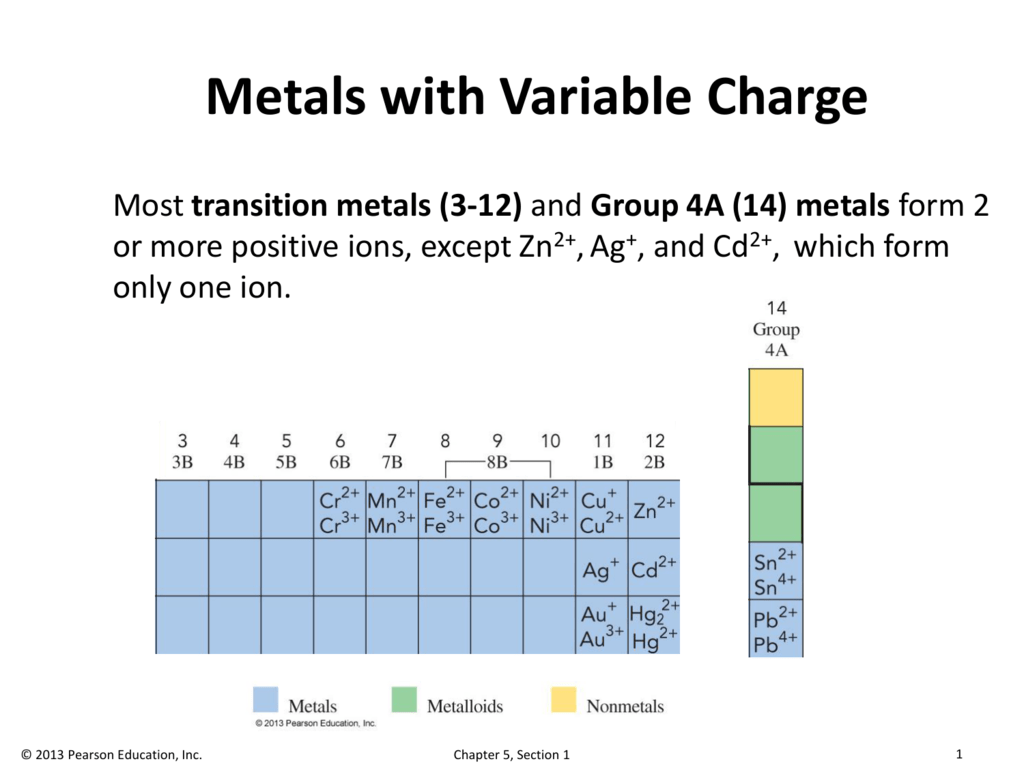
Let's look at some examples. Consider manganese: as Mn(II) it can create a delicate pink, while as Mn(VII) it transforms into a deep, vibrant purple, like in potassium permanganate. Iron, another versatile metal, can range from pale green as Fe(II) to rusty brown as Fe(III) – think of the color variations in iron oxides used in paint. Chromium offers an even wider spectrum, from Cr(II)'s blue to Cr(VI)'s intense yellow, often used in road markings. The charge, therefore, is directly linked to the color and behavior of the metal!
Must Read
So, how do you figure out this elusive charge? The key is to look at the anions (negatively charged ions) the transition metal is bonded to. Remember, compounds are electrically neutral! Common anions include chloride (Cl⁻), oxide (O²⁻), and sulfate (SO₄²⁻). Let’s say you have Copper Chloride, written as CuCl₂. We know chloride has a -1 charge, and there are two of them, giving a total negative charge of -2. To balance this, the copper must have a +2 charge! Therefore, it's Copper(II) chloride. For more complex molecules, knowing the common charges of polyatomic ions (like sulfate or nitrate) is essential.

Here's a simple tip for trying this at home (with adult supervision, of course!): look at the ingredients of your favorite colorful products. For example, check the labels of plant fertilizers, often containing transition metal compounds. Can you identify the anions and deduce the charge of the metal? Another fun experiment (again, with precautions!) is observing the color changes when iron rusts - the shift from metallic iron to iron oxide represents a change in the iron's charge.
Ultimately, learning about transition metal charges isn't just about memorizing rules. It's about developing a deeper understanding of the chemical principles that govern our world, and appreciating the beauty and versatility hidden within the periodic table. It’s like unlocking a secret code, allowing you to decipher the colorful language of chemistry and see the world with fresh eyes. The thrill of understanding how a simple change in charge can dramatically alter a substance's properties is incredibly rewarding, and makes learning about chemistry truly enjoyable!