How To Know If Your Septic Tank Is Full

Ever feel a little mysterious about what’s going on underground with your home’s waste system? You’re not alone! For many homeowners, the septic tank is out of sight, out of mind, until... well, until it’s not. But getting a handle on how to tell if your septic tank is full isn't just about avoiding a messy disaster; it's about gaining a little homeowner superpower. It’s a surprisingly useful bit of knowledge that can save you stress, inconvenience, and a significant chunk of change. Think of it as mastering a secret language your house is trying to speak to you. Knowing the signs means you can be proactive, preventing a tiny gurgle from turning into a big, expensive headache. It's truly empowering to understand this vital, often overlooked, part of your home's infrastructure.
Understanding the signals of a full septic tank brings peace of mind and practical benefits for everyone. For new homeowners, it demystifies a critical system, helping you feel more confident and prepared to manage your property without fear of the unknown. You'll avoid common, costly mistakes right from the start. Busy families will appreciate the ability to pre-empt plumbing emergencies, ensuring your home remains a comfortable and hygienic sanctuary, free from unexpected backups that disrupt daily life. It means one less thing to worry about when you're juggling a million other tasks. And for the DIY enthusiast or the naturally curious, it’s a rewarding dive into how your home truly works, giving you a deeper appreciation for its complex systems and enabling you to manage maintenance more effectively and perhaps even save on professional inspection fees by recognizing problems early.
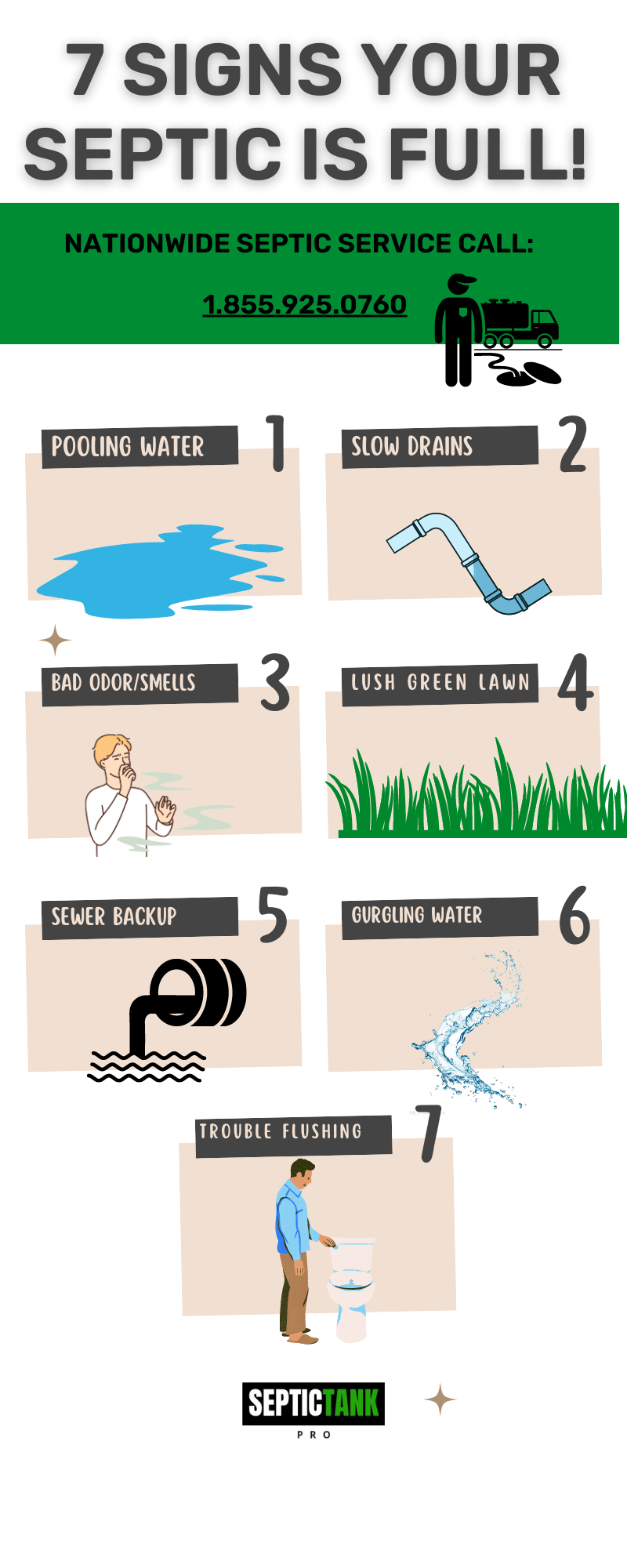
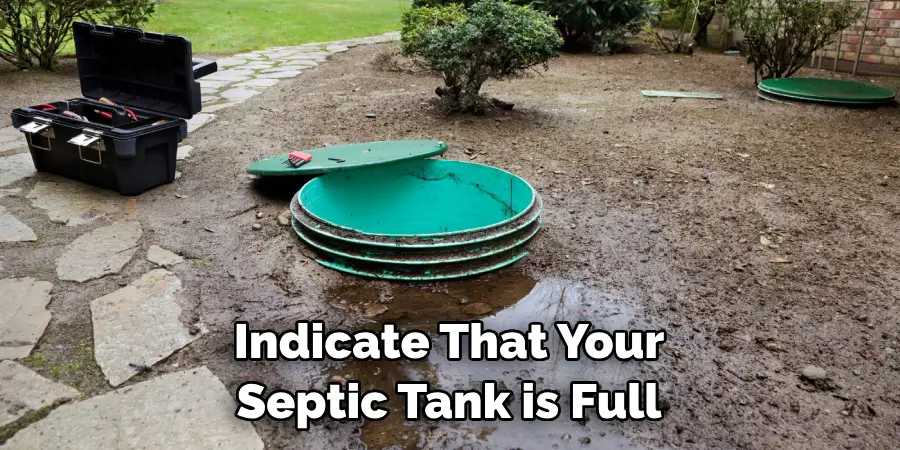
So, how does your septic tank signal it's reached capacity? The signs are often quite clear once you know what to look for. One of the most common red flags is slow drains in your sinks, showers, and tubs. If water seems to be taking its sweet time going down, especially across multiple fixtures, it’s a strong hint. You might also start hearing gurgling noises coming from your pipes, toilets, or even the drain field itself, which indicates air is being pushed back up as wastewater struggles to escape. Then there's the unmistakable calling card: unpleasant odors. You might smell sewage inside your home, particularly near drains, or outside, wafting around your septic tank and drain field area. Visually, look for changes in your yard: lush, greener-than-usual grass or soggy, wet spots over your septic tank or drain field are tell-tale signs that effluent is rising to the surface. In the worst-case scenario, you might experience a sewage backup into your home – definitely the sign you want to avoid!
Must Read
Getting started with this homeowner wisdom is incredibly simple. First, make a habit of being observant. Pay attention to how quickly your drains empty. If they start slowing down, take note. Second, trust your nose; if you catch a whiff of something foul, investigate it rather than dismissing it. Third, take a periodic stroll around your yard, especially over the area where your septic tank and drain field are located. Look for any changes in grass color or unusual wetness. It’s also incredibly helpful to know the location of your septic tank and, if possible, keep a record of when it was last pumped. This gives you a baseline for its expected performance. If you notice any of these signs, don't ignore them. A quick call to a septic professional for an inspection or pumping can save you from a much larger, messier problem down the road.
Ultimately, learning to read the signs of a full septic tank isn't just about preventing a potential disaster; it’s about becoming a more informed and empowered homeowner. It’s about being proactive instead of reactive, saving money, reducing stress, and maintaining a healthy, happy home environment. There’s a quiet satisfaction in knowing you’re tuned into your home’s needs, preventing problems before they even fully emerge. So, embrace this newfound knowledge – your septic tank (and your wallet!) will thank you for it!