How To Know If Meat Is Spoiled

Ever found yourself staring into the fridge, holding a package of meat, and wondering, "Is this... still good?" You're not alone! It's one of those universal kitchen dilemmas that almost everyone faces. But here's the fun part: figuring out if meat is spoiled isn't some dark culinary art reserved for chefs. It's a super practical superpower that can save you money, prevent a nasty tummy ache, and give you a huge confidence boost in the kitchen. Think of it as becoming a food detective, learning to trust your senses and making smart choices for yourself and your loved ones. It’s a skill that makes cooking more enjoyable and less stressful, because who wants to ruin a delicious meal (or a dinner party) with an ingredient that’s past its prime?
This little bit of knowledge is a game-changer for all sorts of people. For beginners in the kitchen, it strips away the fear of making a wrong choice, making cooking feel less intimidating and more rewarding. You won't have to second-guess yourself every time you open the fridge. For busy families, understanding these signs means you can keep everyone safe and healthy, ensuring that mealtime is always a joyful occasion, not a gamble. It also helps manage your grocery budget better, as you learn to properly store and assess food, reducing waste. And for the budding hobbyists or home cooks who love experimenting, it ensures your culinary creations start with the freshest, best-quality ingredients, leading to consistently delicious results. No more throwing out perfectly good food "just in case," or worse, accidentally using something that should have been binned!
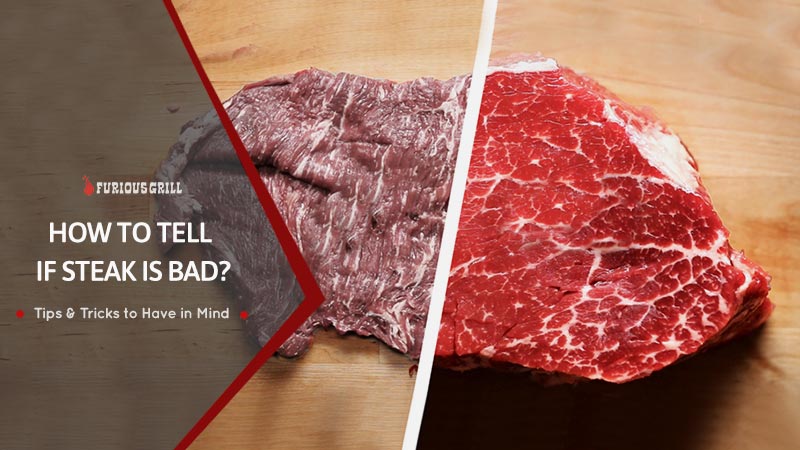
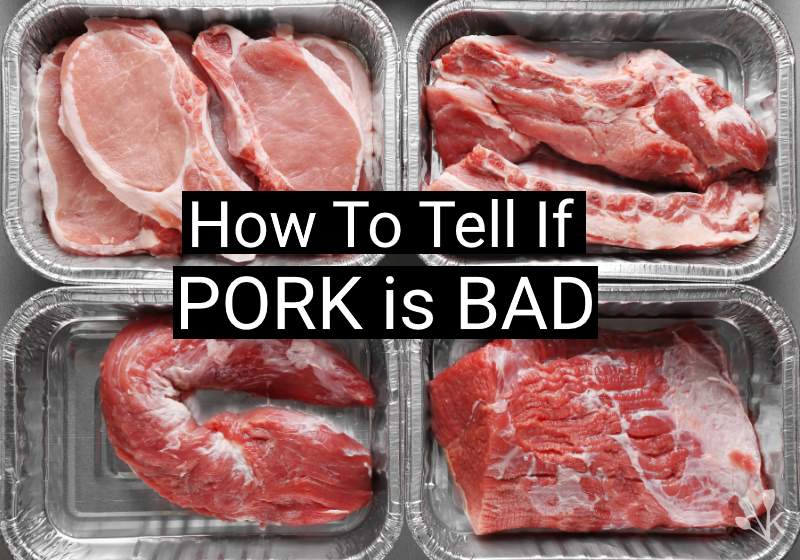
So, how do different meats tell you they’ve gone rogue? It's not one-size-fits-all, but there are common themes. For example, fresh chicken should be a pale pink color and feel firm. If it's started to look greyish, feels slimy, or has a sour, almost ammonia-like smell, it's time to say goodbye. With beef, a bright red color is ideal. If it turns a dull brown or green, becomes sticky to the touch, or emits a strong, rancid odor, it's past its prime. Pork, usually a light pink, will also take on a greyish-green hue and a slimy texture when spoiled, often accompanied by a sour smell. And fish is perhaps the most obvious: fresh fish has clear eyes and firm flesh, but spoiled fish will have cloudy, sunken eyes, a strong "fishy" (but not fresh ocean-like) smell, and a milky slime developing on its skin. These are all variations of the same message: "I'm not safe to eat!"
Must Read
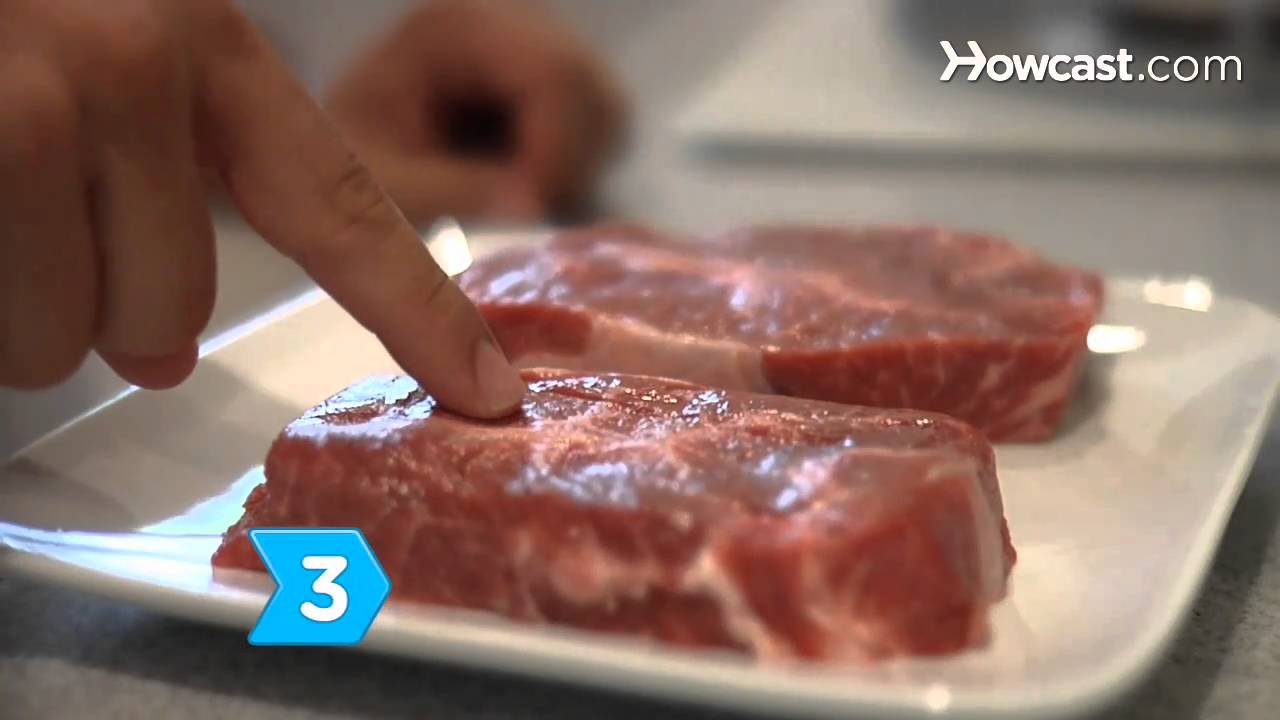
Ready to become a pro at this? Here are some simple, practical tips. First, and perhaps most important, is the sniff test. Trust your nose! If it smells sour, ammonia-like, unusually "off," or simply not like fresh meat, it's a red flag. Second, the look test. Check the color and appearance. Is it discolored, dull, or showing mold? Finally, the touch test. Meat should feel relatively firm and slightly damp, but never sticky, slimy, or excessively soft. And the golden rule? When in doubt, throw it out! It's simply not worth the risk to your health. Always make sure your fridge is running at the correct temperature (below 40°F or 4°C), and store meats properly, ideally in their original packaging or airtight containers, on the bottom shelf to prevent drips.
Mastering the art of telling if meat is spoiled isn't about becoming an overly cautious cook; it's about becoming a smart and confident one. It’s an empowering skill that connects you more deeply with your food, saves you money, and most importantly, keeps you and your family safe. So next time you're faced with that fridge dilemma, take a deep breath, trust your senses, and know that you've got this!