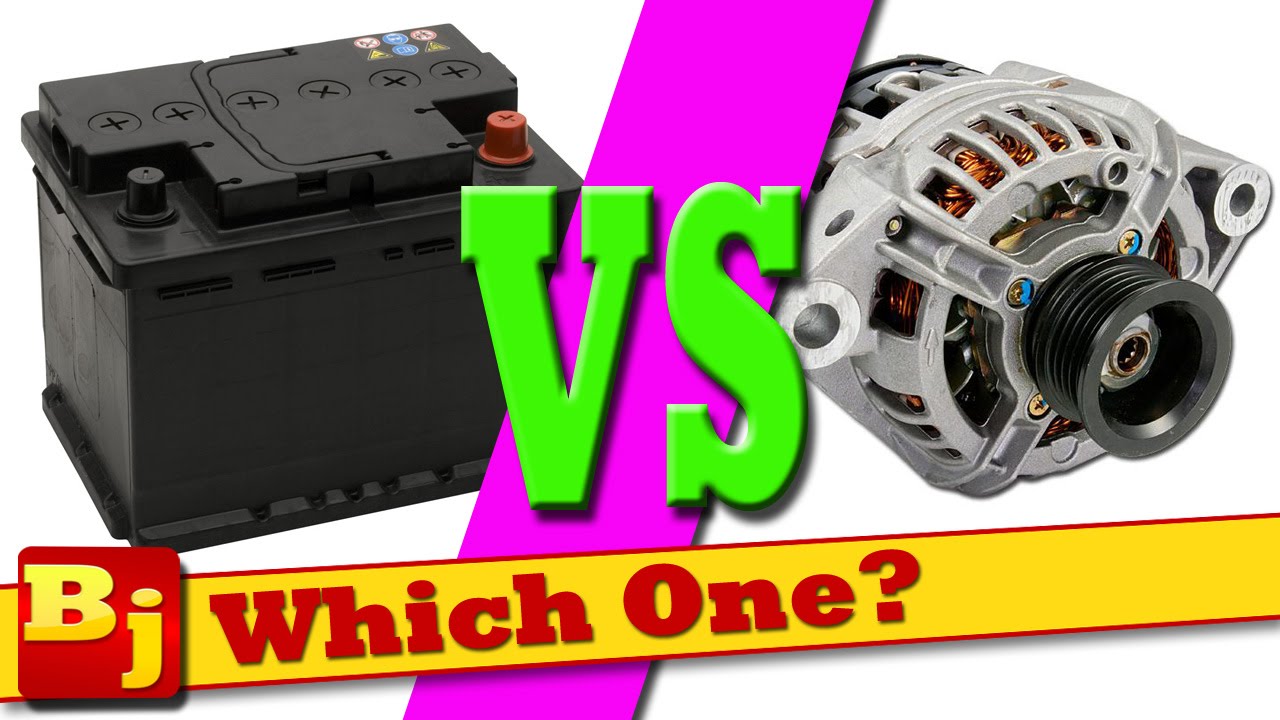
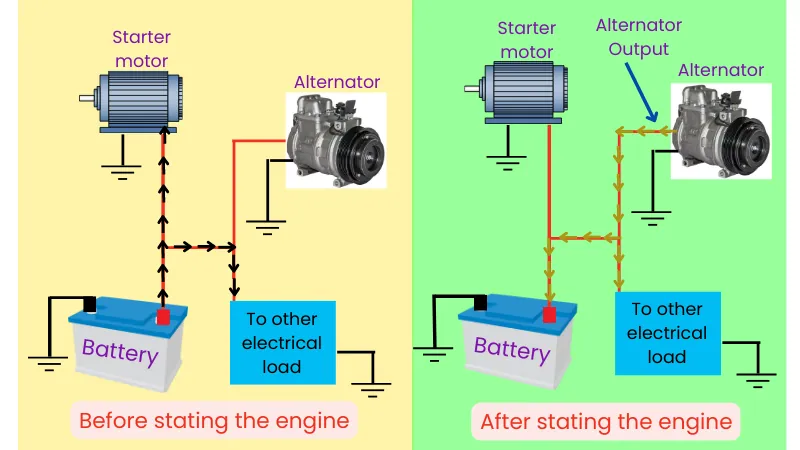
How To Know If It's Your Battery Or Alternator
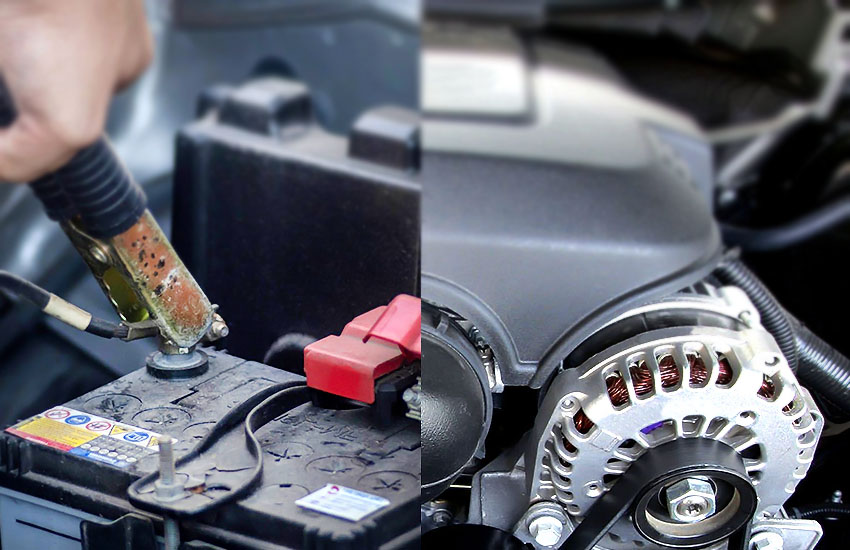
Let's face it, few things are as universally frustrating as a car that won't start. It's a real-life plot twist no one wants, especially when you're running late or eagerly anticipating that weekend getaway. And in those moments of automotive despair, the age-old question arises: is it the battery or the alternator that's the culprit? Figuring this out yourself isn't just about saving money on a mechanic; it's about feeling empowered, like you've unlocked a secret level in the game of car ownership.
Why should you, the artist, hobbyist, or casual learner, care about diagnosing car trouble? Think of it as expanding your creative toolkit! Artists thrive on understanding how things work, from the mechanics of a paint brush to the inner workings of a computer. Knowing the difference between a dying battery and a failing alternator adds another layer to your understanding of the world. It builds confidence and encourages problem-solving skills that can translate into any creative field. Plus, knowing you saved money on a repair gives you more funds for art supplies, hobby materials, or that online course you've been eyeing!
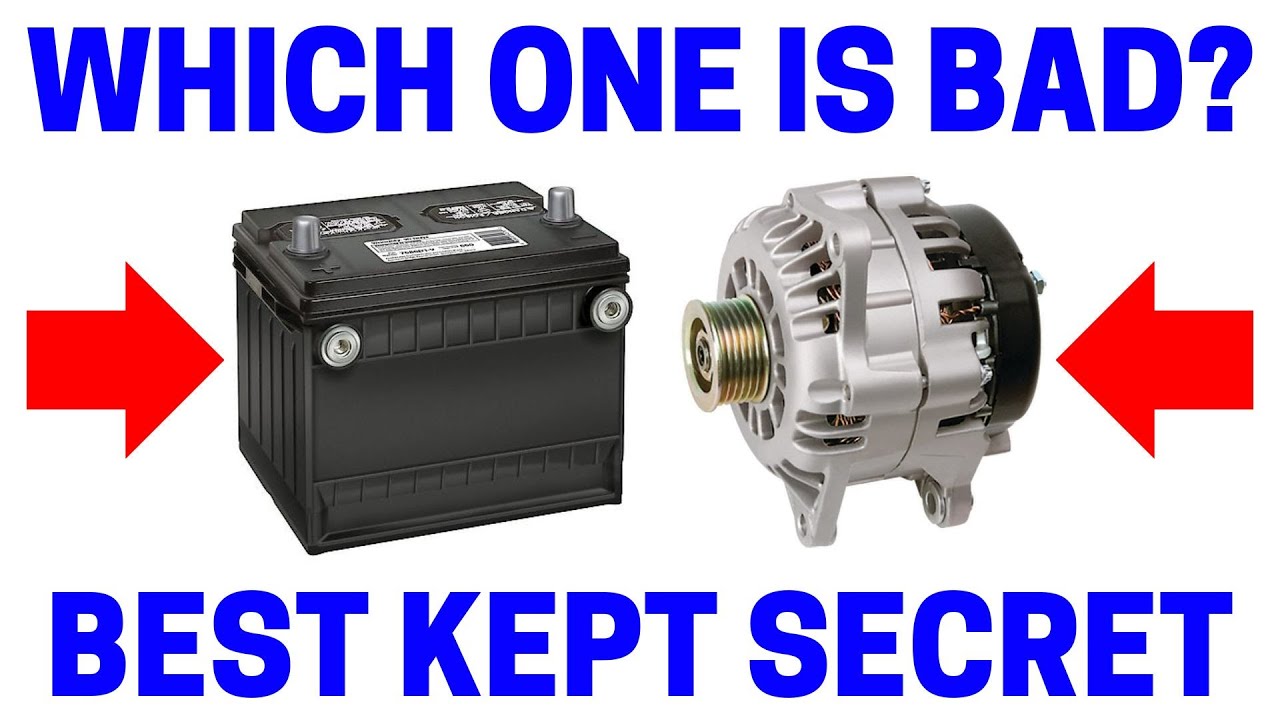
Okay, so how do you tell the difference? Imagine your car is a musical instrument. A dead battery is like an instrument that's completely out of tune and won't make a sound. When you try to start the car, you might hear nothing, or just a weak, drawn-out "click, click, click." The lights might be dim or non-existent. In contrast, a failing alternator is like an instrument that starts playing but then slowly fades out or sounds distorted. The car might start, but then stall shortly after, especially when you turn on headlights or other accessories. You might notice dimming headlights or a dashboard battery light illuminating while you're driving.
Must Read
Here are a few tips to try at home, keeping in mind safety first! Always disconnect the negative terminal of your battery before fiddling with anything. First, try a jump start. If the car starts with a jump and then dies shortly after disconnecting the jumper cables, it's a strong indication of an alternator problem. If the car starts and stays running, let it idle for a while. A healthy alternator should keep the voltage around 13.5-14.5 volts. You can use a simple multimeter to check the voltage at the battery terminals while the car is running. Also, listen for unusual noises. A failing alternator might make a whining or grinding sound. However, if even with the jump start, your car does not turn on, most likely your battery is dead.
Important Disclaimer: These are simplified troubleshooting steps. If you're not comfortable working on your car, or if you're unsure about any of these procedures, it's always best to consult a qualified mechanic.
Ultimately, learning to diagnose basic car problems isn't just practical; it's enjoyable. It's about understanding the inner workings of a complex machine and empowering yourself to take control. There's a certain satisfaction that comes from successfully troubleshooting an issue and saving yourself time and money. So, the next time your car gives you trouble, don't just throw your hands up in the air. Embrace the challenge, channel your inner mechanic, and see if you can crack the case of the battery versus the alternator. You might just surprise yourself!