How To Know If Gasoline Is Bad
Imagine this: you're trying to start your lawnmower after its long winter nap, or maybe your trusty old car is making noises that sound less like an engine and more like a disgruntled platypus. You've checked the oil, the battery seems fine, but something just feels... off. Could it be your gasoline? Oh yes, my friend, gasoline, like that forgotten carton of milk in the back of your fridge, can absolutely go bad. And trust me, you don't want to find out the hard way.
Why Does Gas Go Bad Anyway?
Think of gasoline like a delicious, fizzy soda left open on the counter. Over time, the good stuff evaporates, leaving behind all the sticky, less desirable bits. Gasoline is a mix of different hydrocarbons, and when exposed to air (oxidation) and varying temperatures, those components start to break down and evaporate. The lighter, more volatile parts that help your engine ignite smoothly disappear, while the heavier, gummier stuff remains. It’s like trying to bake a cake with only the frosting. Not ideal!
The Sniff Test: Your Nose Knows!
This is often your first clue. Fresh gasoline has that distinctive, almost nostalgic scent that takes you back to road trips and busy service stations. But bad gas? Oh, you’ll know. It starts to smell sour, like old varnish, or maybe even a bit like rotten eggs. It's a sharp, unpleasant odor that screams, "Danger, Will Robinson!" If you open a gas can and your nose immediately wrinkles up like you’ve just smelled your teenager’s gym socks, then you’re probably on the right track. Trust your gut (and your nostrils!).
Must Read
The Eye Test: What's That Color?
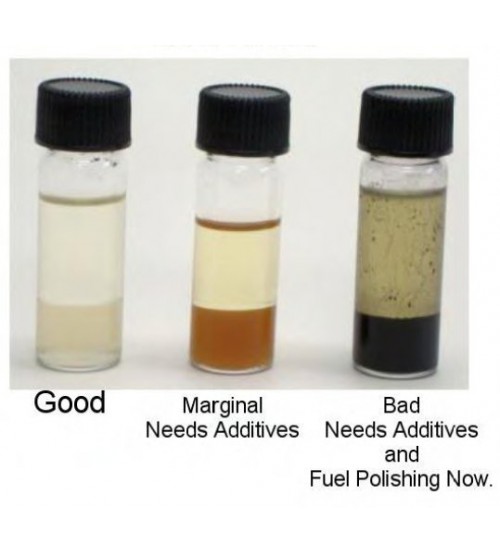
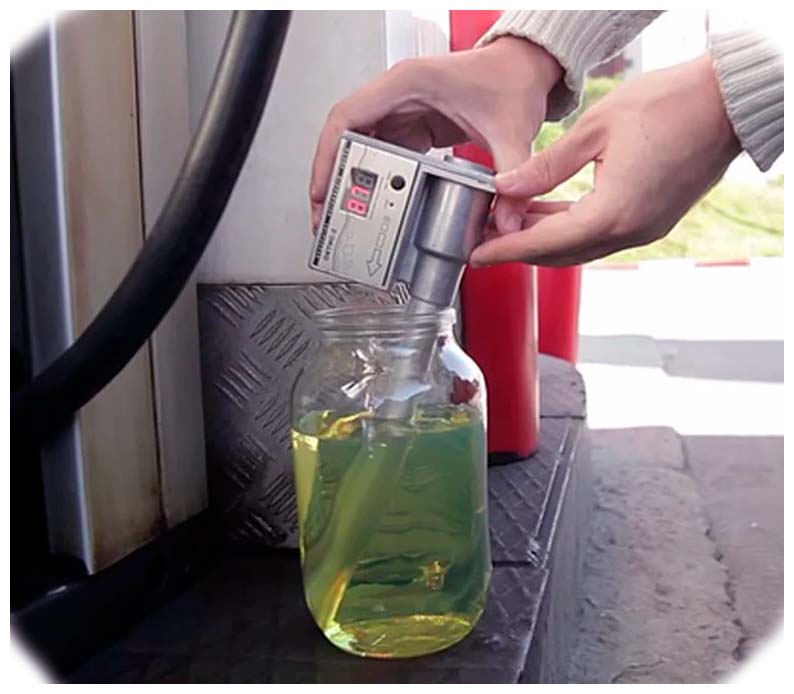
Okay, so your nose is raising red flags. Now, let’s have a peek. Fresh gasoline, when it’s healthy and happy, is usually clear, light gold, or a very pale yellowish hue. It should be transparent, like a refreshing glass of lemonade. If you pour a small amount into a clear jar (safely, please!), and it looks murky, cloudy, dark brown, or even has a reddish, rusty tint, then Houston, we have a problem. It’s definitely not the vibrant golden elixir your engine craves. Think of it like pouring murky pond water instead of sparkling clean water; your car is going to notice.
The Gunk Test: Is There... Stuff In There?
Beyond just color and smell, bad gas can actually develop visible sediment. We're talking about tiny particles, a sludgy residue, or even a bit of separation, much like an old bottle of salad dressing that hasn’t been shaken in ages. If you see floaties, a layer of gunk at the bottom, or if it looks like there are two distinct liquids trying to coexist, that’s a massive red flag. Your engine’s fuel filter is designed to catch some impurities, sure, but it’s not meant to handle a full-on science experiment in your fuel tank. That sludge can clog filters, fuel lines, and injectors, turning your engine’s precise fuel delivery into a sticky mess.
Where Does This Gas Ghost Usually Lurk?
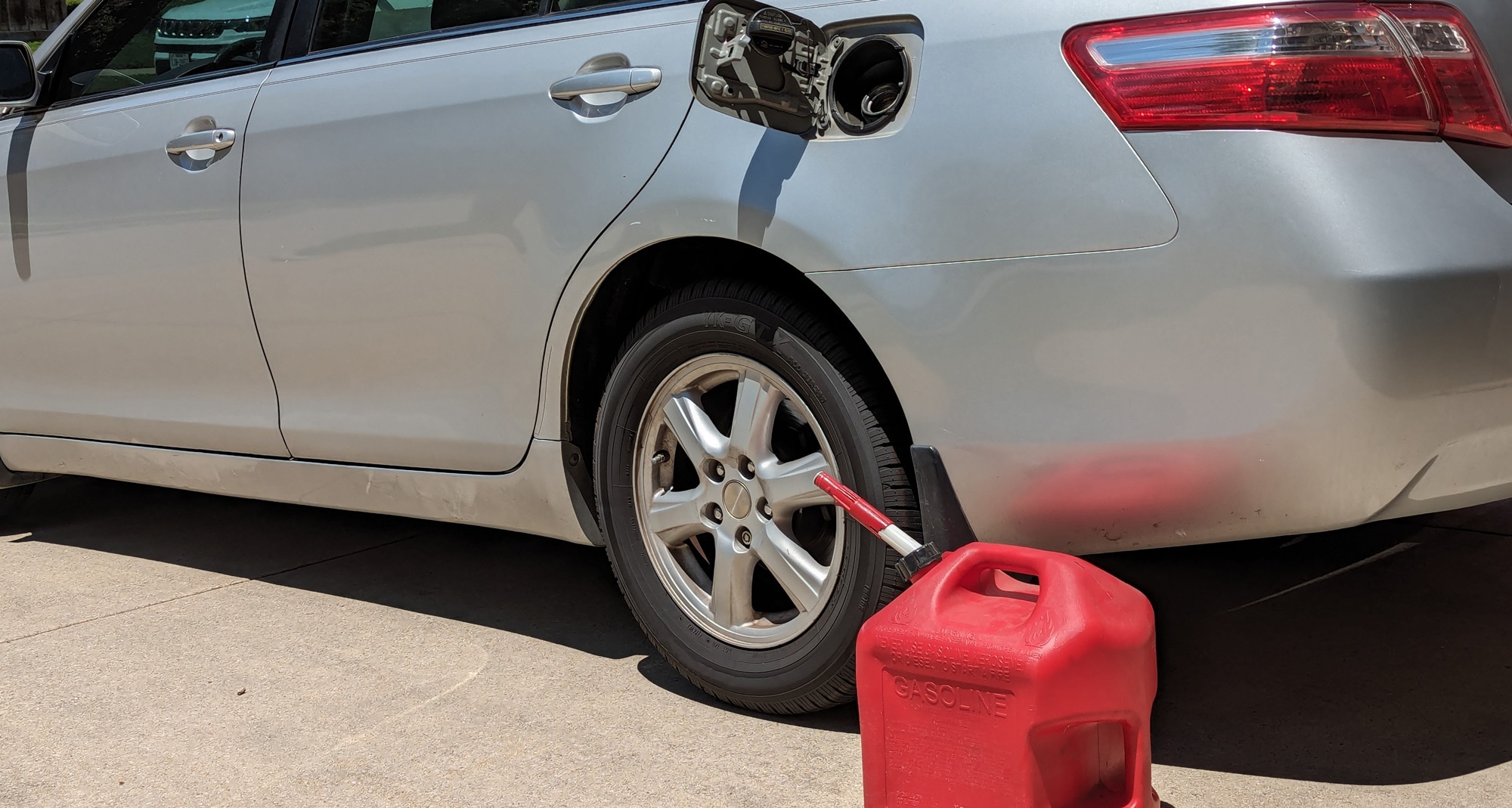
Most commonly, you’ll find bad gas lurking in portable fuel cans that have been sitting in the shed for months, or even years. Your lawnmower, generator, or leaf blower are prime candidates for this unfortunate surprise. Old boats are another common victim. But it can also happen in vehicles that sit for extended periods—think classic cars tucked away for the winter, a vacation car that hasn’t moved in six months, or that spare vehicle you only use "just in case." If it hasn't been cycled through the engine and exposed to fresh air and new gas, it’s a ticking time bomb for fuel degradation.
What Happens If You Use It? (Spoiler: Not Good!)
If you accidentally, or perhaps optimistically, try to run an engine on bad gas, your vehicle is going to protest louder than a toddler denied ice cream. You might experience difficulty starting, rough idling, stalling, poor acceleration, or just a general lack of power. Your car will cough, sputter, and probably make noises that sound like it’s trying to clear its throat after swallowing a mouthful of sand. In worse cases, it can clog your fuel filter, damage your fuel pump, or even gunk up your fuel injectors, leading to costly repairs. It’s like trying to run a marathon on stale crackers and murky water – your body (or engine) just won't be happy.
So, You've Got Bad Gas. Now What?
First, and most importantly: do not use it! Seriously, don't even think about it. For small amounts in a fuel can, the best approach is to take it to a local hazardous waste disposal facility. Check with your local municipality; they often have designated drop-off points. Don't just pour it down the drain or onto the ground – that's a big no-no for our environment. If it's in your vehicle, you'll likely need to drain the fuel tank and possibly even flush the fuel lines. This is often a job best left to a professional mechanic, as it can be tricky and potentially dangerous if not done correctly.
Preventative Pointers: Keep It Fresh!
The good news is, avoiding bad gas is pretty straightforward:
- Don't buy too much: Only purchase as much gasoline as you plan to use within a few weeks, especially for your small engines.
- Seal it tight: Always store gasoline in approved, sealed containers in a cool, dry place away from direct sunlight.
- Fuel Stabilizer is your friend: If you do need to store gas for more than a month or two (like for your winterized lawnmower or generator), invest in a good quality fuel stabilizer. It's like a preservative for your gas, keeping it fresh for much longer. Just follow the directions on the bottle.
The Takeaway: Trust Your Senses!
Ultimately, knowing if gasoline is bad comes down to trusting your senses and a little bit of common sense. If it smells funky, looks murky, or seems to have developed a life of its own with strange floaties, just say no! Your engine will thank you, and you'll avoid a headache (and possibly a hefty repair bill). Keep your gas fresh, keep your engines happy, and keep those good times rolling!