
How To Keep Rv From Freezing While Living In It

Okay, so you’re living the RV dream! Sunshine, scenic views, and… wait, is that frost on the inside of your window? Yikes! Freezing temps aren't exactly part of the Instagram-worthy RV life. But don't panic! I've been there, done that, and survived to tell the tale (and share my hard-won wisdom!). Let’s chat about how to keep your rolling home toasty warm when Jack Frost comes knocking.
First Things First: Know Your Enemy (and Your RV!)
Before we jump into solutions, let's understand the problem. Cold air is sneaky. It’ll find every nook, cranny, and poorly sealed window to sneak into your RV. And trust me, RVs aren’t exactly known for being airtight fortresses! Understanding where your RV is most vulnerable is half the battle.
Think about it: windows, hatches, underbelly, and even the wheel wells are all potential entry points for the cold. Also, figure out what kind of insulation your RV has. The more you know, the better prepared you'll be.
Must Read
Insulation Inspiration: Sealing the Deal
Okay, time to get proactive. Think of your RV like a leaky boat – you need to plug those holes! (Except, you know, with less water and more freezing air.) Here are some insulation strategies:

- Window Film: This stuff is like shrink-wrap for your windows. It creates an extra layer of insulation that can make a surprising difference. Plus, it's cheap and easy to install. Think of it as a spa day for your windows.
- Foam Board Insulation: Cut it to fit and wedge it into skylights and hatches you aren't using. It's like giving those openings a winter nap.
- Pipe Insulation: Don't forget your pipes! Wrap them with foam insulation to prevent them from freezing and bursting. A burst pipe is a major RV buzzkill.
- Skirt the Issue: RV skirting is basically a barrier that goes around the base of your RV to block wind and cold air from getting underneath. You can buy premade skirting or get creative with tarps and plywood. Think of it as a stylish (or not-so-stylish, depending on your DIY skills) winter coat for your RV.
Heating Heroes: Keeping the Warmth In
Alright, you've sealed up the cracks and crevices. Now it's time to crank up the heat! Here are a few options:
- Propane Furnace: This is the most common heating system in RVs. It’s powerful, but it can also be a propane guzzler. Keep an eye on those propane levels! Nobody wants to wake up shivering in the middle of the night.
- Electric Space Heaters: These are great for supplementing your furnace or for smaller RVs. BUT be careful not to overload your electrical system! Using multiple space heaters at once can trip breakers and cause all sorts of problems. Safety first, always!
- Electric Blankets and Heated Mattress Pads: These are personal favorites of mine. They use very little electricity and keep you toasty warm all night long. It's like sleeping in a giant, cozy hug.
Water Works: Protecting Your Plumbing
Freezing water expands, and that can wreak havoc on your RV's plumbing system. Here's how to keep your pipes happy:
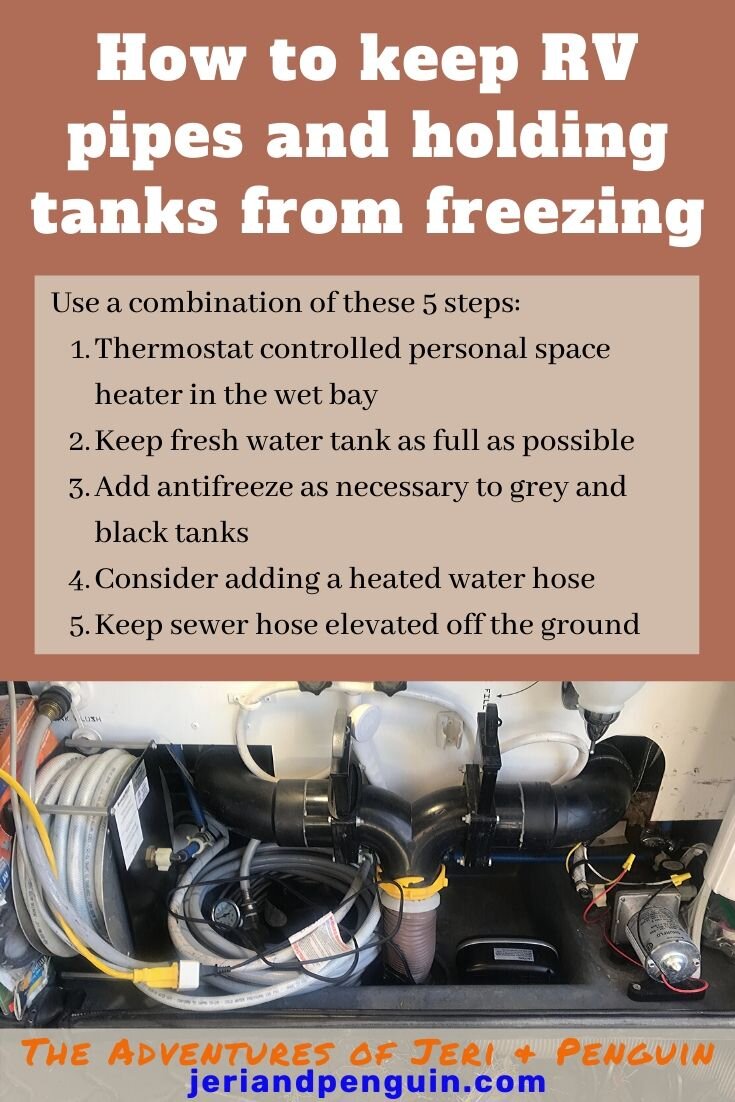
- Heated Water Hose: This is a lifesaver if you're connected to city water. It prevents your hose from freezing and bursting.
- Tank Heaters: These are electric heating pads that attach to your freshwater and holding tanks to prevent them from freezing.
- Drip, Drip, Drip: If you're expecting extremely cold temperatures, let your faucets drip slightly. This keeps the water moving and prevents it from freezing. It's a tiny waste of water, but it can save you a huge headache.
- Antifreeze: If you're not going to be using your RV for a while, drain all the water from your system and add RV antifreeze to the pipes and tanks. This is like putting your plumbing into hibernation for the winter.
Bonus Tip: Stay Connected (and Informed!)
Keep an eye on the weather forecast! Knowing what's coming can help you prepare and take action before the temperatures plummet. Plus, sharing your experience and learning from others in RV forums can be a great help.
Living in an RV during the winter can be challenging, but it's definitely doable with a little preparation and common sense. Just remember to insulate, heat wisely, protect your plumbing, and stay informed. And most importantly, don't forget to enjoy the beauty of winter! There's nothing quite like cozying up in your warm RV with a hot cup of cocoa while the snow falls outside. Happy RVing, and stay warm!

