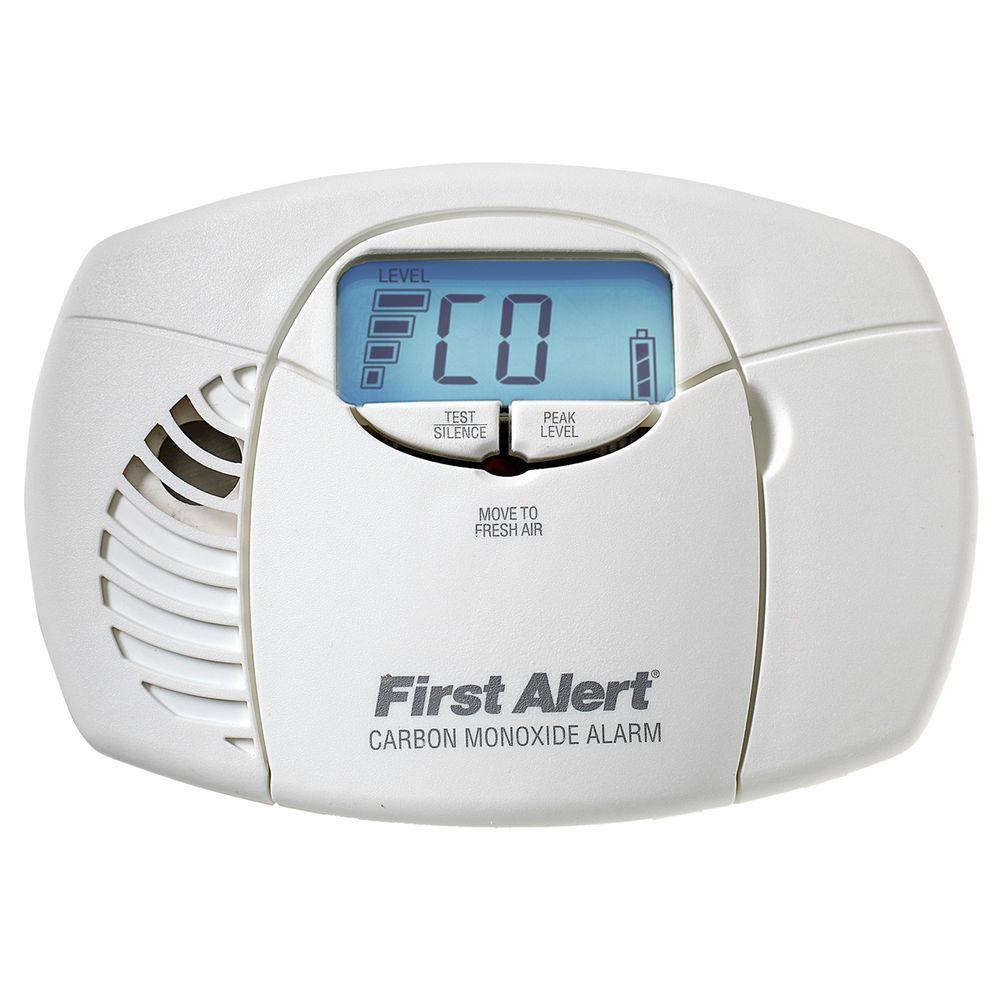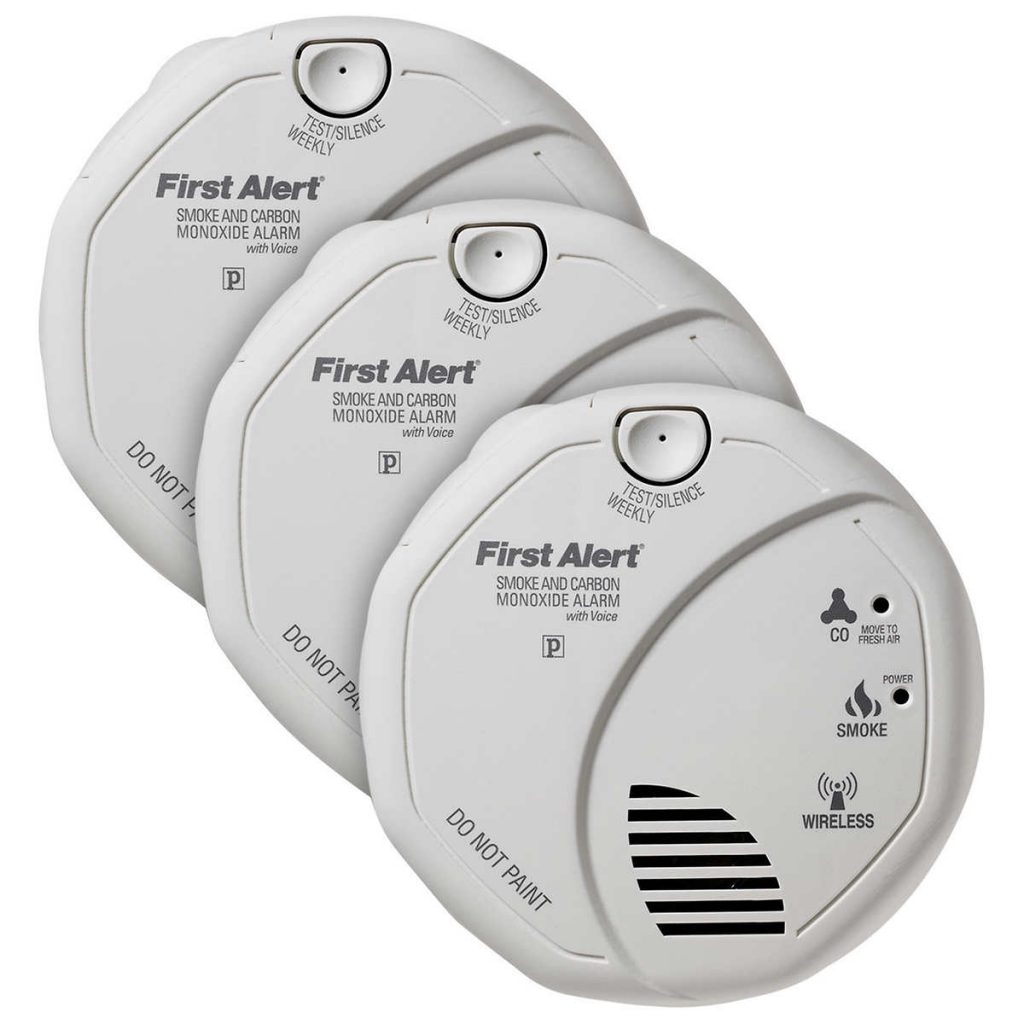
Ever thought of home safety as a form of art? No, seriously! Creating a secure, comforting sanctuary for yourself and your loved ones is arguably one of the most profound acts of care, a masterpiece built brick by brick, moment by moment. And at the heart of this domestic artistry lies the simple, yet profoundly impactful, act of installing a First Alert Smoke and Carbon Monoxide Alarm. It's not just a device; it's a declaration of vigilance, a quiet guardian ensuring your peace of mind.
For the home artist, the life hobbyist, or even the casual learner looking to add a stroke of genius to their living space, embracing this DIY task offers a surprising array of benefits. You become the architect of your own safety, gaining a valuable sense of self-reliance and accomplishment. It’s a practical skill that immediately elevates your confidence, turning you into the household hero. Think of it as mastering a new artistic medium – instead of paint or clay, your tools are a screwdriver and a ladder, and your canvas is the invaluable security of your home.
The beauty of the First Alert alarm system lies in its versatility and the various "styles" of protection it offers. You might opt for a combination alarm, a single elegant unit guarding against both smoke and the invisible threat of carbon monoxide – a true dual-purpose masterpiece. For different "compositions" within your home, you could choose photoelectric sensors for smoldering fires near bedrooms, or ionization sensors for flaming fires in living areas, creating a harmonious safety symphony. Each placement is a thoughtful decision, a deliberate choice to enhance your home's protective aura, ensuring no corner is left vulnerable.
Ready to try your hand at this essential home improvement "artwork"? It's wonderfully straightforward! First, gather your supplies: your First Alert alarm, a screwdriver, and perhaps a sturdy step stool. Next, consider your placement strategy. Alarms should ideally be installed on every level of your home, inside each bedroom, and in the hallway outside sleeping areas. Avoid "dead air" spaces like the peak of a vaulted ceiling or within 6 inches of where a wall meets the ceiling. Once you've chosen the perfect spot, simply twist the mounting bracket onto the ceiling or wall. Insert the batteries (usually included!), then twist the alarm onto the bracket. Give it a quick test with the press of a button – hear that chirp? That's the sound of success! Remember to test your alarms monthly and replace batteries at least once a year, or when the low-battery chirp begins.
There's a deep, quiet enjoyment that comes from knowing you've taken such a proactive step. It's the joy of a job well done, the satisfaction of a skill learned, and most importantly, the profound peace of mind that your home and everyone in it are protected. Installing a First Alert Smoke and Carbon Monoxide Alarm isn't just a chore; it's an act of love, a tangible expression of care, and a truly inspiring way to make your house feel even more like a secure, cherished home.