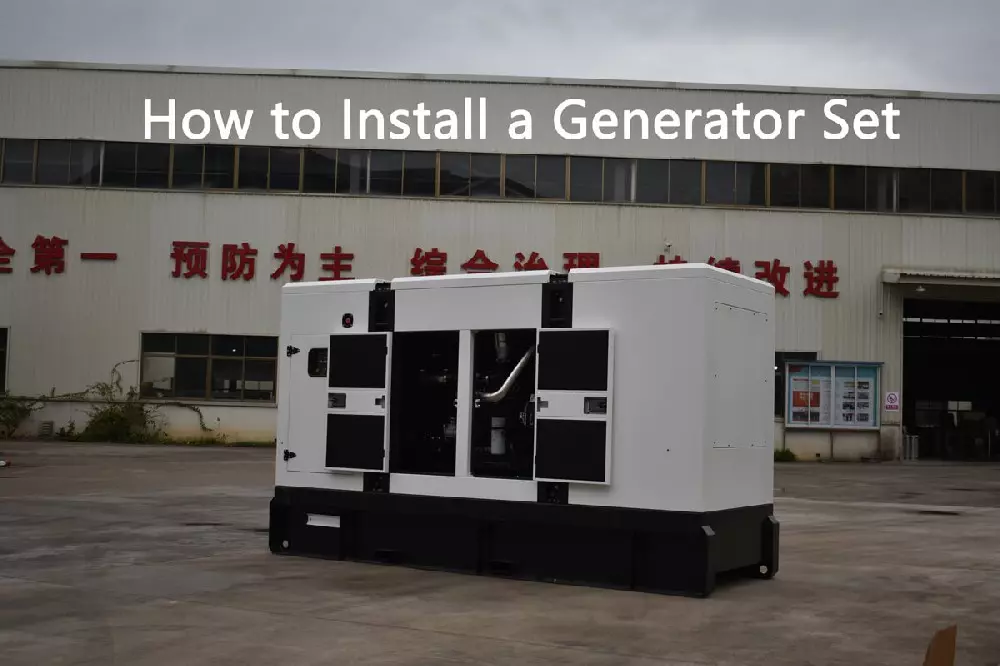
How To Install A Home Generator

Ever been plunged into total darkness, phone battery draining, fridge silently warming, and the eerie quiet broken only by the sound of your own exasperated sigh? In our hyper-connected world, losing power isn't just an inconvenience; it can feel like a sudden, jarring trip back to the Stone Age. That’s why the idea of installing a home generator has become so appealing to so many – it’s about taking back control, about being the master of your own power universe when the grid decides to take a nap.
The beauty of a home generator lies in its promise of uninterrupted comfort and security. Imagine a fierce winter storm raging outside, yet inside your home, the lights are on, the heat is blasting, and your Wi-Fi is humming along. No spoiled food, no shivering in the dark, no missing that crucial work deadline because your laptop decided to go dark. A generator provides a seamless bridge over troubled power outages, ensuring your essential appliances, medical equipment, and even that all-important coffee maker stay operational. It’s not just about luxury; it’s about safety, comfort, and maintaining your modern lifestyle without a hitch.
You see these silent guardians at work in countless scenarios. During hurricane season, they’re the unsung heroes keeping refrigerators cold and AC units running in sweltering heat. In rural areas prone to frequent power cuts, they ensure water pumps keep delivering and heating systems don't falter. Even for urban dwellers, an unexpected transformer blow-out or a severe thunderstorm can bring life to a standstill – unless you have a generator ready to kick in. It offers profound peace of mind, knowing that come what may, your home remains a functioning, illuminated sanctuary.
Must Read
So, how do you effectively "enjoy" the process of installing one? First and foremost, understand that this is largely a job for the pros. While the idea of being self-sufficient is great, generator installation involves complex electrical work, fuel lines, and safety regulations. Your first practical tip is to find a certified electrician and a reputable generator dealer. They will help you accurately size your generator – figuring out exactly what you want to power (just essentials or almost everything?) – and recommend the right fuel type, be it natural gas, propane, or diesel. Remember, bigger isn't always better; efficiency and cost-effectiveness matter.

Next, consider its placement. Generators need proper ventilation, clearances from windows and doors, and a solid, level pad. Don't skimp on these details; safety is paramount. You'll also need an automatic transfer switch, the clever device that senses an outage and safely switches your home's power source from the grid to the generator, then back again when utility power returns. This makes the whole process truly hands-off. Finally, once installed, commit to a regular maintenance schedule and periodic testing. A generator is like a car; it needs to be exercised and serviced to ensure it’s ready to perform when you need it most. By planning ahead and trusting the experts, you'll soon be able to shrug off power outages with a serene smile, knowing your personal power grid has you covered.
Perhaps the user would like to know more about different types of generators or specific brands.