How To Hook Up Portable Generator To Your House
Okay, folks, let's talk about something that can transform you from a stressed-out homeowner into a beacon of preparedness and maybe even... a neighborhood hero! I'm talking about hooking up a portable generator to your house. Now, before you picture yourself wrestling with wires and sparking explosions (don't worry, it's not that dramatic!), let's break it down into manageable, dare I say, even fun steps.
Why Bother? (Besides Avoiding the Dark Ages)
First things first: why even bother? Well, imagine this: the power goes out. Suddenly, your fridge is a ticking time bomb of spoiling food, your internet is gone (gasp!), and your carefully curated Netflix binge is put on indefinite hold. Nobody wants that! A portable generator lets you keep the essentials running – lights, fridge, maybe even that all-important coffee maker. Think of it as your personal force field against the inconvenience of outages. Plus, you get major bragging rights with your neighbors. (Just kidding… mostly!)
Gearing Up: What You'll Need
Alright, so you're in. Awesome! Here's what you'll need to embark on this power-providing adventure:
Must Read
- A Portable Generator: Obviously! Choose one with enough wattage to cover your essential needs. Do some research and don't be afraid to ask for advice at your local hardware store.
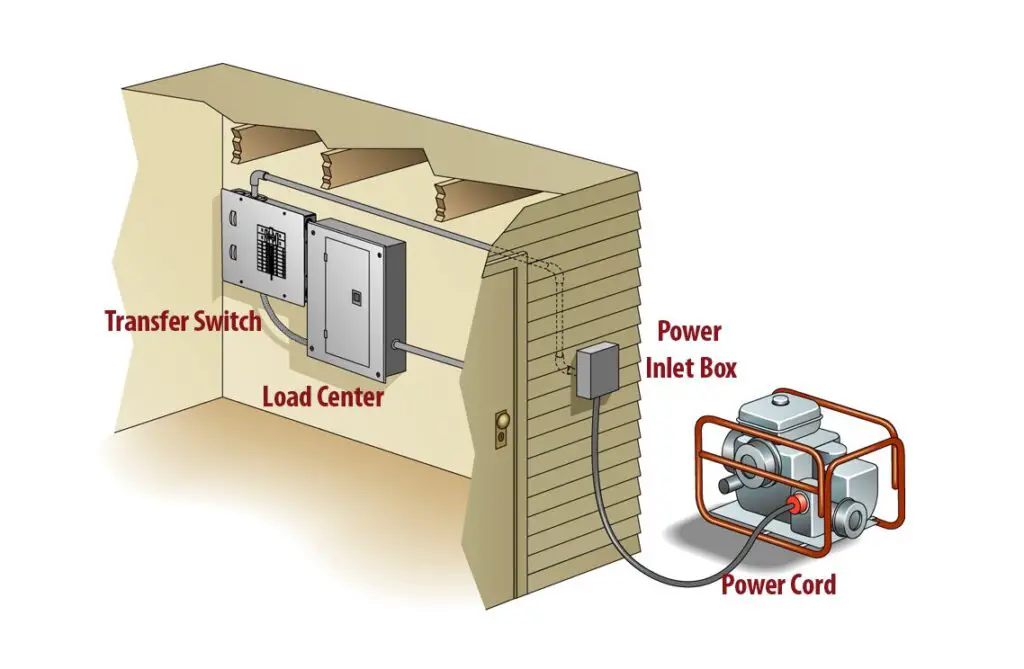
- A Transfer Switch: This is the most crucial piece. Seriously. Do not skip this step. A transfer switch safely isolates your home's electrical system from the grid, preventing backfeeding, which is dangerous and illegal. Think of it as the responsible adult in this whole operation.
- Power Cords: Heavy-duty extension cords are a must. Make sure they're rated for outdoor use and can handle the amperage of your generator. Don't skimp on quality here – safety first!
- Safety Gear: Gloves and safety glasses are always a good idea when dealing with electricity. Better safe than sorry, right?
The Hook-Up: Let's Get Technical (But Not Too Technical)
Okay, deep breaths. We're going to walk through this step by step. Remember, safety is paramount. If you're feeling even slightly unsure, hire a qualified electrician. Seriously. There's no shame in it!

- Turn Everything Off: Before you do anything, switch off all breakers in your main electrical panel. This prevents a surge when the power comes back on and protects your appliances.
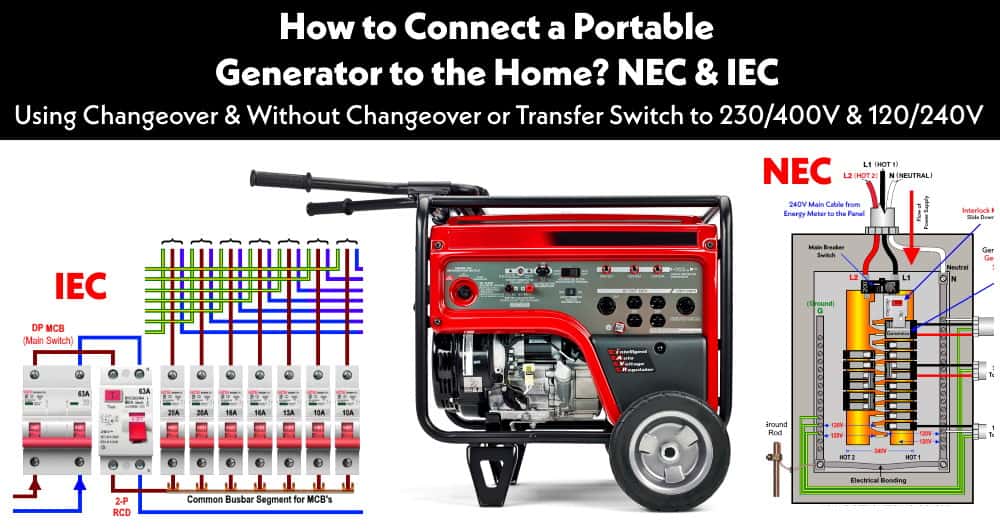
- Install the Transfer Switch: This is typically a job for an electrician unless you're very comfortable with electrical work. The transfer switch will be connected to your main electrical panel and allow you to safely switch between grid power and generator power.
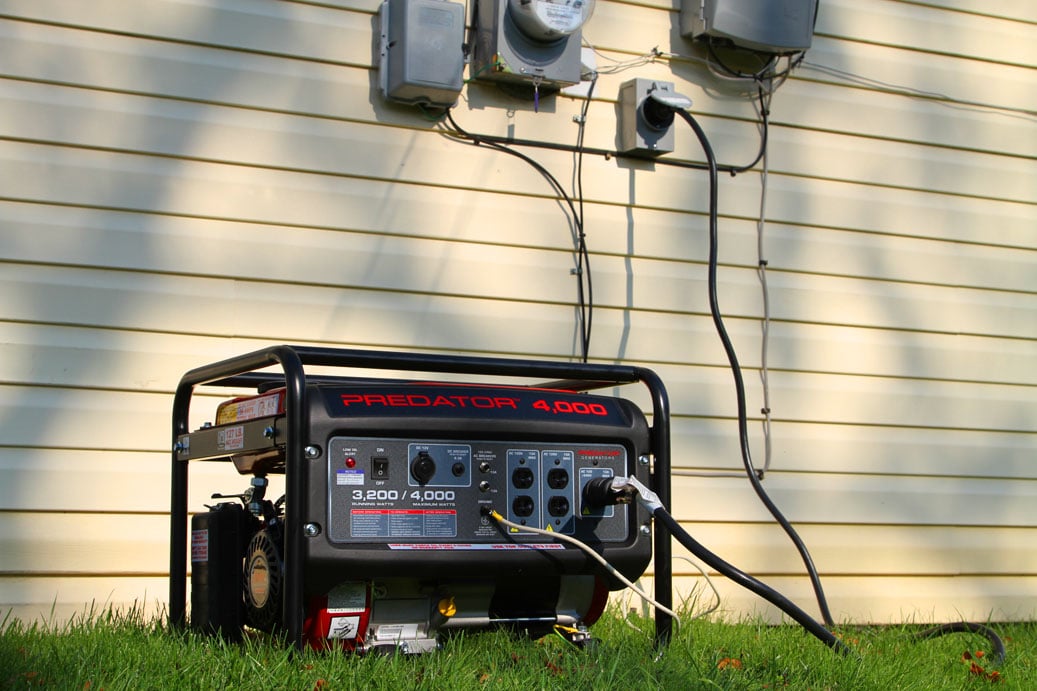
- Position the Generator: Place the generator outside, in a well-ventilated area, away from doors and windows. Carbon monoxide is a silent killer, so this is non-negotiable.
- Connect the Generator: Plug the generator into the transfer switch using the appropriate power cords.
- Start the Generator: Follow the manufacturer's instructions for starting the generator.
- Switch to Generator Power: Flip the transfer switch to the generator power setting. You should now have power to the circuits connected to the transfer switch.
- Prioritize Your Power: Decide which appliances are most important and turn them on gradually to avoid overloading the generator. Think fridge, a few lights, maybe the TV for some much-needed distraction.
Important Reminders (Because We Care)
- Never run the generator indoors or in an enclosed space. We can't stress this enough!
- Never refuel the generator while it's running or hot. Let it cool down completely first.
- Use the correct type of fuel for your generator. Consult the owner's manual.
- Regularly maintain your generator. Change the oil, clean the air filter, and keep it in good working order.
- Practice using your generator before you actually need it. Familiarize yourself with the process so you're not scrambling in the dark during an emergency.
The Fun Part: Enjoying Your Self-Reliance
Congratulations! You've successfully hooked up your portable generator and are now a master of your own destiny (or at least, your own electricity). Enjoy the feeling of self-reliance and the satisfaction of knowing you're prepared for whatever Mother Nature throws your way. Host a power outage party! (Okay, maybe not. But you could offer to charge your neighbor's phones.)
Seriously though, learning about emergency preparedness is incredibly empowering. It gives you a sense of control and confidence that's invaluable. So, take the next step! Research different generator models, learn more about transfer switches, and maybe even take a basic electrical safety course. The more you know, the better equipped you'll be to handle any situation. And who knows? You might just discover a newfound passion for all things electrical. Now go forth and conquer the darkness!