
How To Hook Up Portable Generator To House
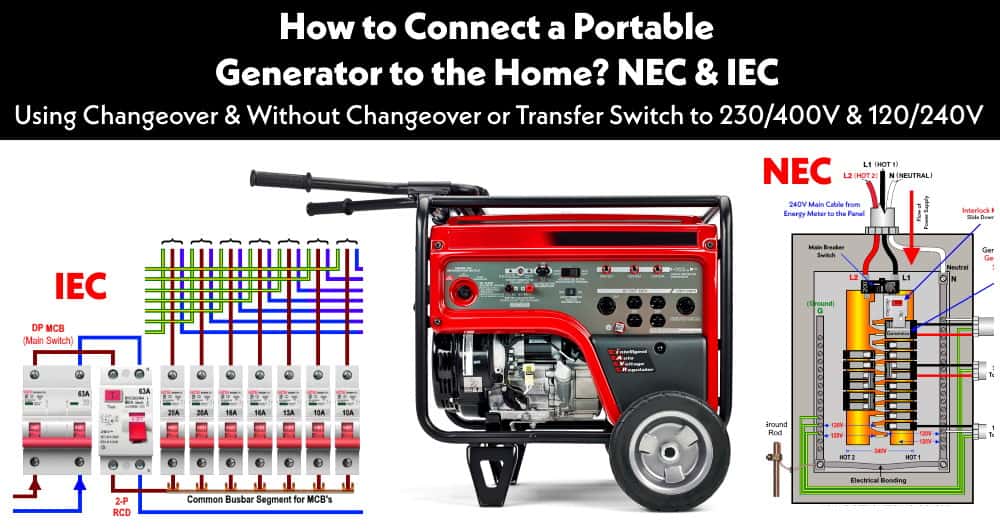
Imagine a world suddenly quiet, save for the chirp of crickets and the distant murmur of concerned whispers. Then, a new sound enters the stage: a determined, rhythmic thrumming, a mechanical heartbeat ready to bring warmth and light back into your life. This isn't just about wires and fuel; it's about reclaiming comfort with a bit of elbow grease and a lot of heart.
Your trusty portable generator, often a silent sentinel in the garage, now takes center stage. It’s like discovering a secret superhero hiding in plain sight, ready to spring into action when the chips are down. First, find a spot that’s open to the great outdoors, far from windows and doors. Think of it as giving your new power-pal some breathing room.
The Grand Unveiling: Fueling the Beast
Before any grand connection can happen, this mechanical marvel needs its sustenance. A quick check of the fuel tank reveals its appetite for gasoline. Pouring it in can feel a bit like fueling a tiny, noisy race car, especially when the light is dim and the air is still.
Must Read
Don't forget the oil, either! It’s the lifeblood, ensuring everything runs smoothly with a happy, well-lubricated hum. This preparatory ritual, though simple, sets the stage for the remarkable transformation to come.
There's a surprising satisfaction in handling these basic elements. It connects you to something elemental, a bit like pioneers stoking a fire, but with a lot more convenience and less smoke. It’s a moment of quiet focus before the big show.
The Mighty Umbilical Cord: Connecting to the House
Now comes the pivotal moment, the forging of a temporary but powerful bond between your generator and your home. This isn't just any electrical cord; it's the lifeline, the grand conduit of civilization. Look for the special inlet box, often nestled discreetly on an exterior wall.
It’s the generator’s own front door to your electrical system, waiting patiently for its grand entrance. This is where the magic truly begins to take shape, a silent promise of warmth and light.
Carefully, you align the prongs, a moment of gentle precision in the dim surroundings. With a satisfying click and a twist, the heavy-duty cord locks into place. It feels a bit like connecting a giant puzzle piece, one that promises to solve a very big problem.
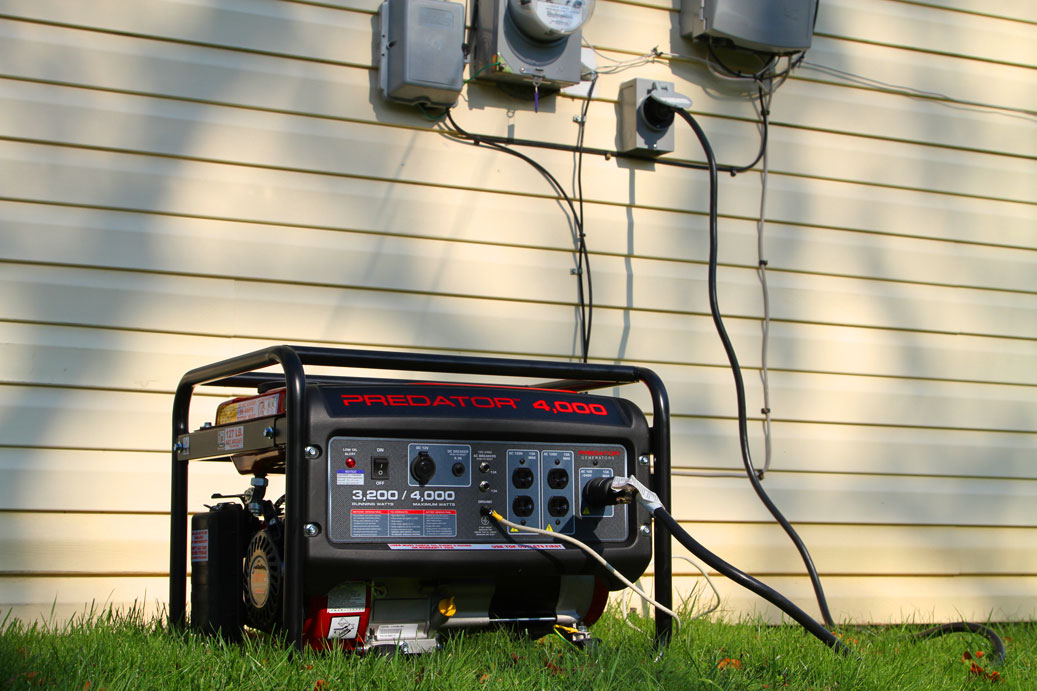
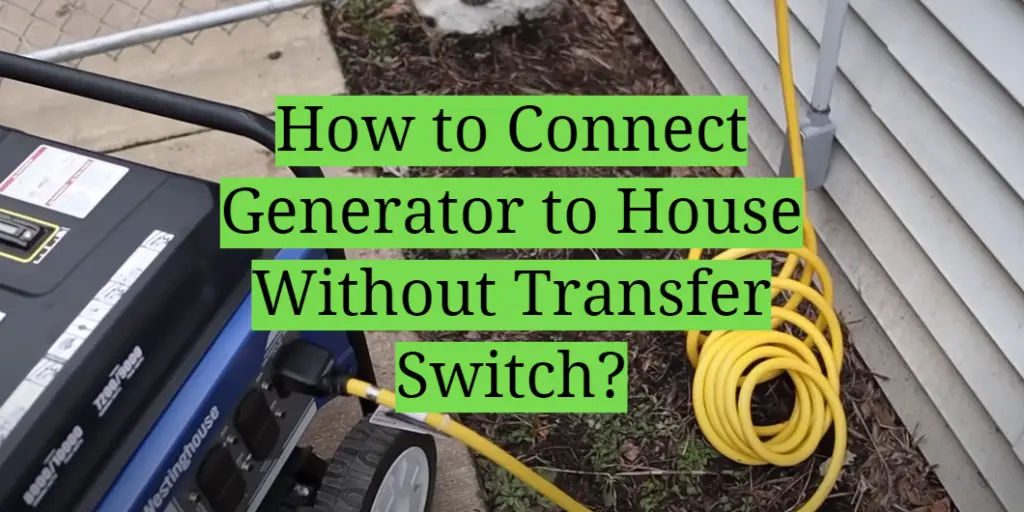
Then, the other end of this impressive cable finds its home in the generator itself. Another secure connection, another click, and suddenly, your generator isn't just an engine; it's now directly linked to the very heart of your dwelling.
"It's amazing how a simple cord can feel like the most important object in the world during times of need."
The Dance of the Breakers: Inside the Panel
With the exterior connection secure, your journey takes you inside, to the venerable electrical panel. This is often an unsung hero of the house, a metal box usually hidden away, only brought to the forefront during moments like these. It's where the house's electrical brain resides.
Inside, you’ll find the main breaker, usually a large, imposing switch at the top. The first step here is to flip that mighty switch to the OFF position. This isolates your house from the outside grid, preparing it to welcome its new, temporary power source.
Next, locate the dedicated circuit breaker for your generator inlet. It usually has a unique label, perhaps something like "Generator Main" or "Auxiliary Power." This specific breaker also needs to be in the OFF position, for now.
The Art of the Interlock or the Transfer Switch
Here's where a clever piece of engineering comes into play. If your house is equipped with an interlock kit, it’s a brilliant little contraption that physically prevents both the main grid and your generator from being connected at the same time. It’s a silent guardian, ensuring safety with mechanical grace.

You slide the interlock plate, a satisfying metal shimmy, to cover the main breaker in its OFF position. This action then frees up the generator breaker to be moved to ON. It's a precise, deliberate sequence, almost like a carefully choreographed ballet of switches.
Alternatively, some homes boast a dedicated manual transfer switch. This is a separate panel, often right next to your main breaker box, designed specifically for this purpose. It’s a more elaborate system, featuring a grand selector switch to choose between "Utility" and "Generator."
You’ll move this central switch with a firm hand, guiding it from Utility to Generator. It’s a decisive moment, signaling to the house that its temporary lifeline is about to spring into action. This process is reassuringly foolproof, a testament to thoughtful planning.
Igniting the Spark: Starting the Generator
Now, back outside to your patiently waiting power-pal. With everything connected and the internal house systems prepared, it’s time for the ultimate wake-up call. Ensure the generator’s own circuit breakers are engaged, typically a simple flip to ON.
Check the choke lever, if it has one, setting it for a cold start. Then, a firm pull of the recoil start cord, or a satisfying press of the electric start button, if you’re lucky enough to have one. The engine coughs, sputters, and then with a roar, settles into a steady, powerful hum.
There's a moment of profound triumph in that sound, a triumphant declaration echoing through the quiet. You’ve brought a sleeping giant to life, ready to shoulder the burden of darkness and cold. It's a small victory, but one that feels incredibly significant.
Once it’s purring smoothly, you can ease the choke back to its run position, allowing the engine to breathe freely. The steady thrum now promises sustained power, a comforting background noise to the returning comforts within.
The Return of the Light: Powering Up Your Home
With the generator running merrily outside, you return to the electrical panel for the final act. If you have an interlock kit, simply flip the generator's main breaker inside the panel to ON. If you have a manual transfer switch, you’ve already selected Generator.
Then, the moment of truth: you begin to selectively flip on the individual circuit breakers for the essential things. Not everything all at once, mind you; think strategically. The fridge, a few lights, maybe the furnace fan. It’s like bringing each room back to life one by one.
The first flicker of a light bulb, the gentle hum of the refrigerator restarting, the whir of a furnace fan – these aren’t just sounds; they’re anthems of resilience. That first cup of coffee made with generator-powered water tastes like pure, unadulterated victory.

Suddenly, the darkness recedes, replaced by a warm glow. The silence is broken by the familiar sounds of a functioning home. It's not just electricity; it's the return of routine, comfort, and a shared sense of accomplishment with your household.
"There's a special kind of magic in seeing your home light up again, knowing you played a key role in making it happen."
The Unexpected Joys of Generator Living
Living on generator power often reveals unexpected pleasures. The quiet gratitude for a hot meal, the shared laughter over a board game by lamplight, the camaraderie forged when everyone huddles in the warmest room. These moments become cherished memories.
You learn to appreciate every watt, every flicker of light. Charging a phone feels like a luxury, and the warm glow of a single lamp can feel cozier than a thousand ceiling fixtures. It's a humbling yet empowering experience, connecting you to the very basics of survival and comfort.
And then there's the community aspect. Neighbors peering over fences, sharing stories, offering a cup of coffee from a generator-powered pot. The rhythmic thrumming of your generator becomes a beacon, a sign that life, and perhaps a little bit of normalcy, continues.
So, the next time you hear that distinctive rumble, remember it's more than just a machine. It's a symbol of preparedness, ingenuity, and the surprising joy of bringing light back into the world, one hum at a time. It’s a heartwarming symphony of resilience.