
How To Hook Up A Portable Generator To My House

Okay, let's talk about something everyone secretly wants to know. Something they're too afraid to ask. It's about getting that sweet, sweet electricity back into your house after a power outage. We're talking about your portable generator. And yes, hooking it up to your house.
Now, before we get started, let me say this. I'm not an electrician. You probably aren't either. This is just me, sharing my... experiences. So, you know, maybe get a pro involved. Disclaimer: Consult a professional before doing anything electricity-related. Seriously.
The Extension Cord Method (AKA, the "I Just Need Coffee" Approach)
This is the super simple way. You just plug things directly into the generator. Coffee maker? Check. Phone charger? Check. TV to watch reruns of The Office? Check. It's not fancy, but it gets the job done. This is my go-to method for short outages.
Must Read
Now, here's my unpopular opinion: This is often enough. I mean, how much do you really need to power? Just the essentials, right? Don't tell anyone I said that. People get all weird about "whole-house power."
The Transfer Switch Tango (For the "Prepared" Folks)
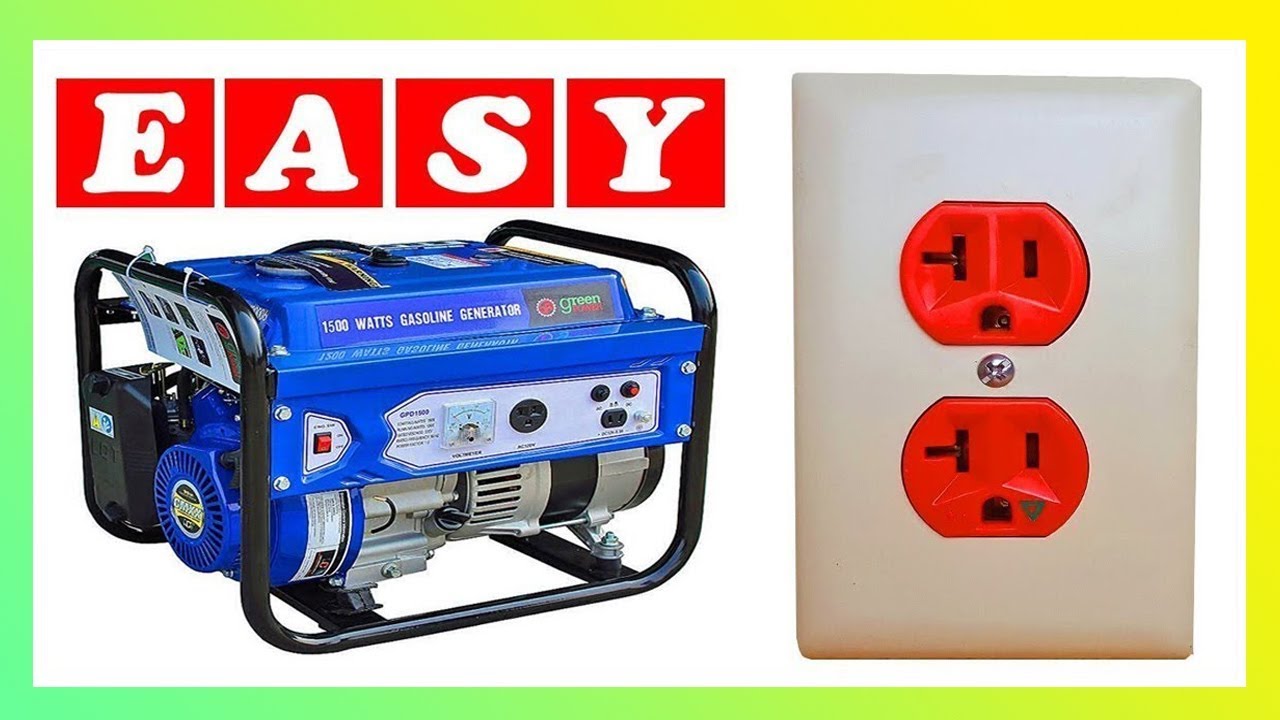
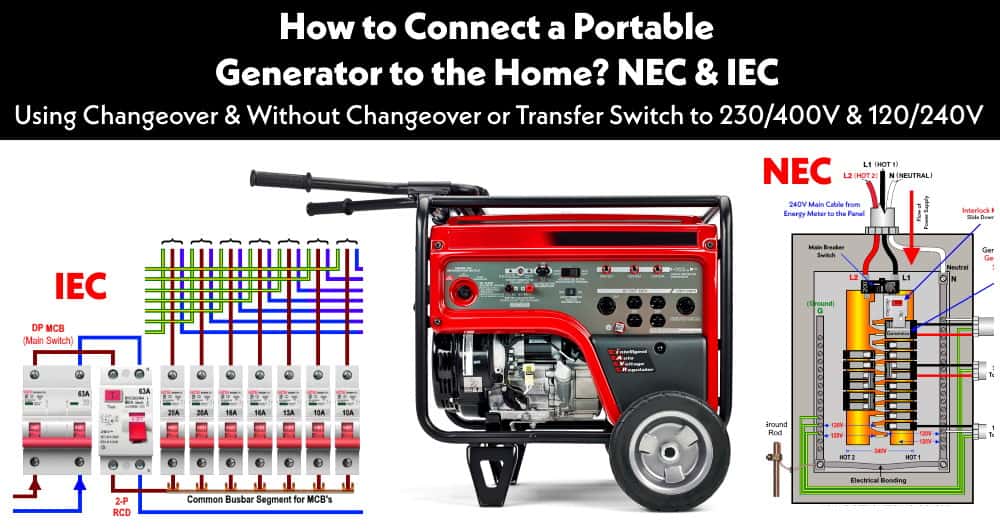
Okay, now we're getting serious. A transfer switch is basically a box that lets you safely connect your generator to your house's electrical system. It prevents backfeeding, which is a fancy term for "sending electricity back into the grid and potentially frying a lineman working to restore power." Not cool, dude.

Installing a transfer switch? That's where things get interesting. You're dealing with your breaker box, which, let's be honest, looks like a monster's control panel. Wires everywhere. Scary labels. Potential for sparks. This is where a real electrician earns their keep. But I'm sure a brave soul could do it.
Once the transfer switch is in, you can select which circuits you want to power. Fridge? Furnace? Lights in the living room so you can pretend everything is normal? It's like choosing your own electrical adventure!
My unpopular opinion here? Transfer switches are a pain to install, and they cost money. I personally think that money is better spent on pizza and board games when the power goes out. Sure, your food might spoil, but at least you'll be entertained.
The "Backfeeding? Never Heard of Her" (Don't Do This)
Warning: This method is incredibly dangerous and illegal. Do not attempt this. Seriously. I'm only mentioning it so you know why not to do it.
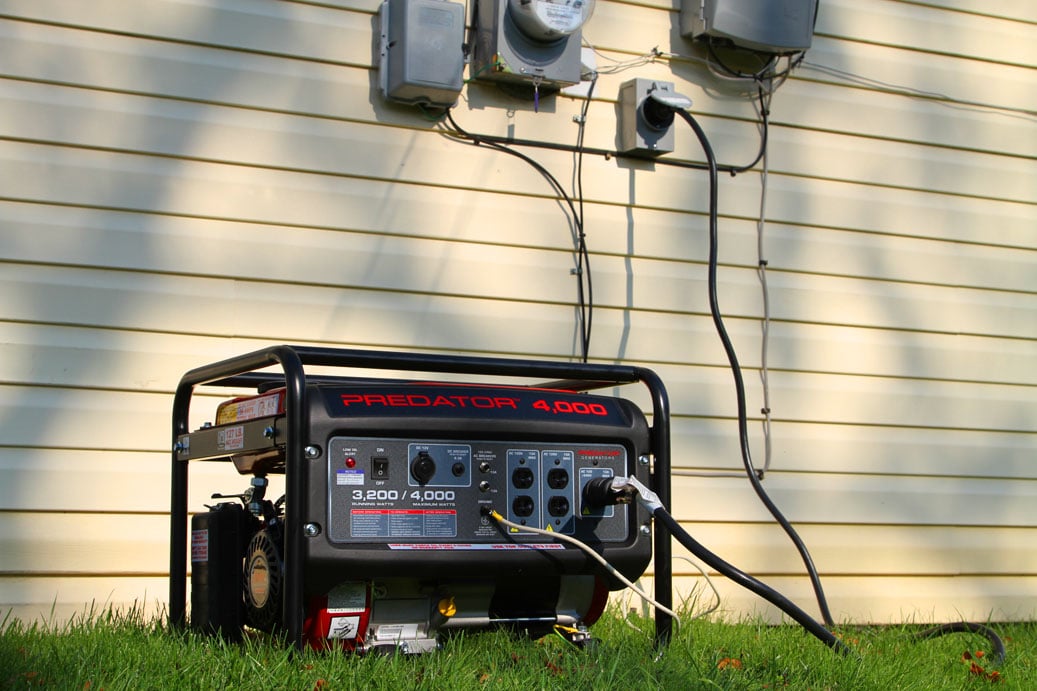
Okay, so some people (definitely not me) might be tempted to plug their generator directly into a wall outlet. This is called backfeeding. And it's a terrible idea. It can kill someone. It can damage your generator. It can make you the most hated person in your neighborhood. Just don't do it.
My unpopular opinion? Okay, I have no unpopular opinions about backfeeding. It's just a bad idea. Period. End of story. If anyone suggests it, run the other way. Seriously, go grab that pizza and those board games. You'll be much safer, happier, and alive.
The Important Stuff (Because You Should Actually Be Safe)
Carbon monoxide. It's a silent killer. Generators produce it. Run your generator outside, far away from windows and doors. Get a carbon monoxide detector. Check it regularly. Trust me, a little fresh air is worth not dying. I also found it important to consider the gas being consumed. More watts require more gas and that equals more money.
Read your generator's manual. Seriously. It's probably boring, but it contains important information about safe operation, maintenance, and troubleshooting. This is your generator's bible, so treat it with respect.
Respect electricity. It's powerful and dangerous. If you're not comfortable working with it, hire a professional. It's better to be safe than sorry (or electrocuted).
So, there you have it. My slightly irreverent, hopefully helpful guide to hooking up a portable generator to your house. Remember, safety first, pizza second, and always consult a professional. And don't tell anyone I told you to just use an extension cord.