
How To Hook Up A Generator To A House
Ah, the dreaded power outage. The lights flicker, then plunge you into a darkness so profound, you might just wonder if the sun forgot to show up. But fear not, for in the corner of your garage, or perhaps under a dusty tarp, lies your secret weapon: the humble, yet mighty, generator.
It’s a slumbering beast, patiently awaiting its call to action. Many people eye it with a mix of awe and terror, imagining a tangled web of wires and confusing instructions. But really, it’s a lot less terrifying than wrestling a wet cat into a carrier, we promise.
First things first, you need to unearth your trusty power pal. Dig it out from behind the lawnmower, or from under that pile of forgotten holiday decorations. Give it a good once-over; maybe a gentle pat for good luck.
Must Read
Now, for its staging area. This is a critical first move, a truly unpopular opinion among those who just want power now. Your generator is an outdoor creature, like a wild badger, it absolutely must stay outside.
Keep it far, far away from windows, doors, and vents. It needs its fresh air to do its job safely. Think of it as giving it space to breathe, preventing any grumpy fumes from sneaking into your cozy abode.
Next up: the fuel quest. Most generators are powered by good old gasoline, so locate your trusty red gas can. Hopefully, it’s not empty, because finding an open gas station in a blackout is a whole other adventure.
Carefully fill the generator’s tank, avoiding any dramatic spills. We’re aiming for power, not an impromptu bonfire. A full tank means hours of glorious, humming electricity, a sound more beautiful than any symphony.

Now, here’s where many folks get a little wobbly-kneed. The actual "hooking up" part. It’s not just about plugging the generator directly into a random wall outlet in your house, contrary to some deeply unpopular opinion internet tutorials.
That, dear reader, is a big no-no, a fast-track to electrical chaos and danger. It’s called "backfeeding," and it’s like trying to make your house wear two different shoes at once. It simply doesn’t work, and can be seriously hazardous.
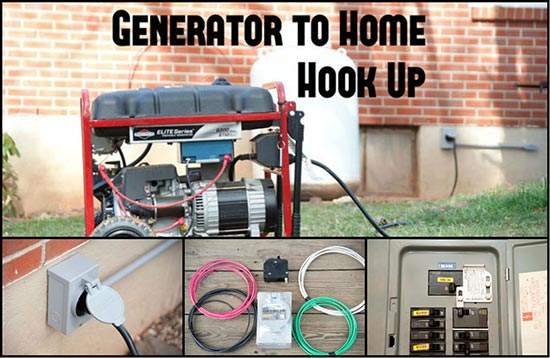
Instead, look for a special outlet on the exterior of your house. It’s typically a robust, weather-resistant box, often labeled something like "Generator Inlet." This is your official power portal, your direct line to electrical salvation.
Inside your house, usually near your main electrical panel, you’ll find the real hero: a transfer switch or an interlock kit. Think of these as the ultimate bouncers for your home’s electrical system.

They are there to prevent your house from ever getting confused about its power source. They ensure your home is exclusively connected to either the utility grid or your generator, but never, ever both.
Grab your thick, sturdy generator cord. It’s built for heavy-duty work, not flimsy like your phone charger. One end plugs securely into the generator itself, often with a satisfying click.
The other end then plugs into that mysterious generator inlet on the outside of your house. There, a perfect, secure union. The beast is now tethered, ready to share its electrifying bounty.
Time for the grand awakening! Make sure the generator’s fuel valve is open and the choke is on, if it has one. Give it a mighty pull on the recoil starter, or press the magical start button if your model is fancy.
Vroom! The engine roars to life, a symphony of mechanical triumph. Let it warm up for a minute or two, like an athlete stretching before a big game. Patience, grasshopper, patience.
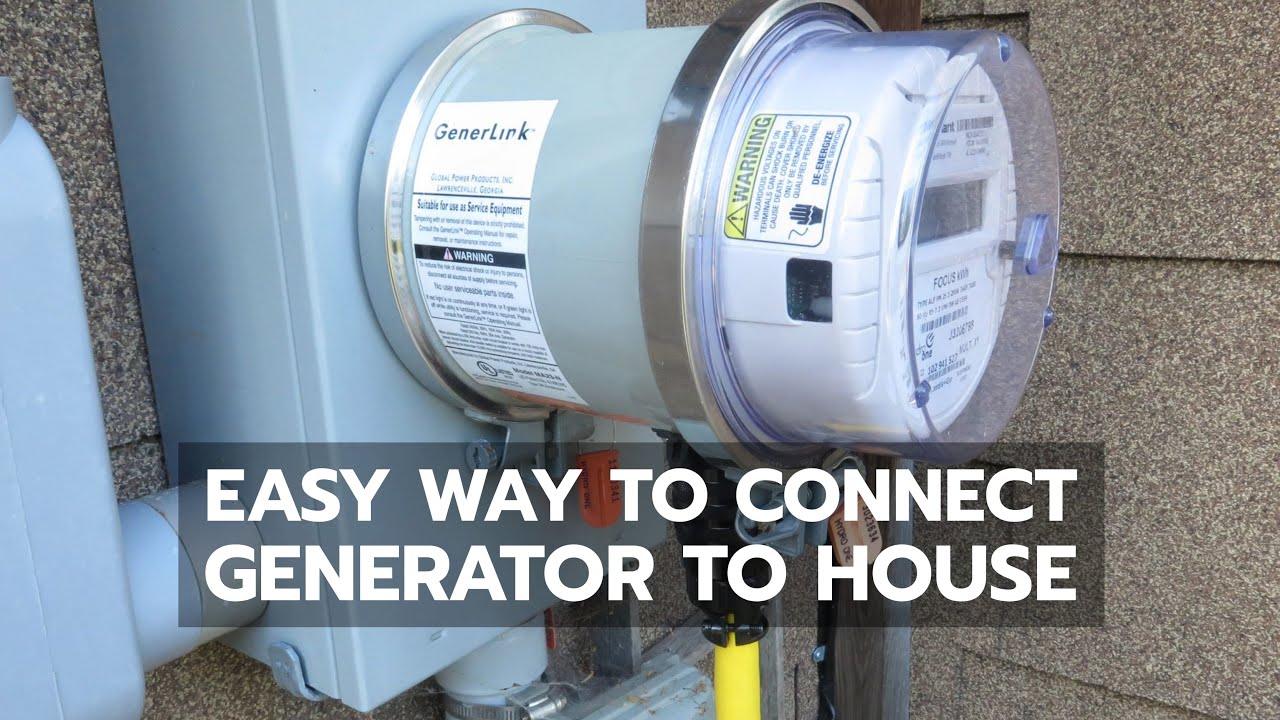
Now, head inside to your guardian, the transfer switch or interlock kit. This is where the magic (and safety) truly happens. You’re about to perform the great power shift.
The absolute, most crucial, can’t-skip-it, slightly unpopular opinion step: You must first turn off the main utility breaker in your electrical panel. This severs your home’s connection to the outside electrical grid.
"Never, ever send power back to the grid. It’s like trying to give your neighbor a high-five through a live wire. Don't do it."
Once the main utility power is confirmed off, then you can operate your transfer switch or slide your interlock kit. This directs your home's circuits to receive power solely from your generator.
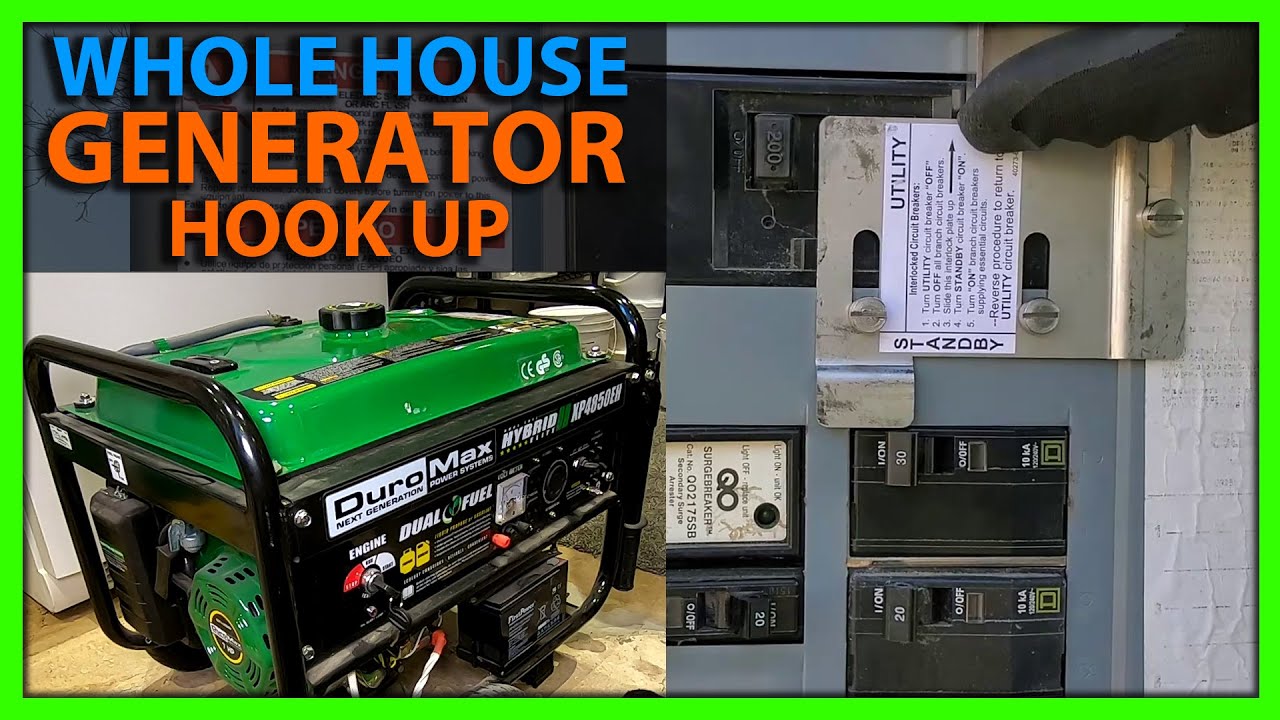
Now, the moment of truth: selectively turn on the circuits you want to power. Don't try to power everything at once; your generator has feelings, and limits. Start with the essentials: the fridge, some lights, maybe the internet router (because priorities).
It’s like being a masterful DJ, carefully mixing the electrical beats for your home. You decide which appliances get to dance, ensuring your generator doesn’t get overwhelmed by too many demands.
And just like that, light! Warmth! The glorious hum of electrical life returns. See? It wasn't about deciphering ancient electrical scrolls or performing mysterious rites.
It was about respecting a few simple, yet specific, steps and tools. The unpopular opinion here is that hooking up a generator, when done correctly, is a straightforward dance, not a terrifying tango.
Now, go forth and bask in your generator-powered glory. You, magnificent survivor of the blackout, have tamed the beast and brought light back to your domain. You deserve a cookie, or at least a fully charged phone.