How To Heat My Swimming Pool

Alright, gather 'round, folks! Pull up a chair, grab a coffee, because we're about to tackle one of life's great mysteries: How to transform your swimming pool from an arctic expedition into a delightful, toe-wiggling oasis. Because let's be honest, nobody’s idea of a good time is a polar bear plunge, unless, of course, they are a polar bear, and even then, I bet they appreciate a nice lukewarm soak now and then. So, you want a warm pool? Excellent. Let's dive into the wonderfully wacky world of pool heating!
The Humble Solar Cover: Your Pool's Giant Bubble Wrap Blanket
First up, we have the undisputed champion of "low-tech, high-effort" heating: the solar cover. Picture this: a massive sheet of bubble wrap, but instead of protecting delicate figurines, it's protecting your pool from the chilly grasp of the atmosphere. Its primary job? Reducing evaporation, which is where most of your heat escapes, like a sneaky ninja in the night. It also absorbs sunlight directly, giving your pool a gentle, sun-kissed hug.
Putting it on and taking it off can feel like an Olympic sport, especially if you're doing it solo. You’ll be wrestling this colossal piece of plastic, probably yelling encouragement at yourself, and maybe even shedding a tear or two. But hey, it's eco-friendly and significantly cheaper than its fancier cousins. Plus, it looks surprisingly cool on a really sunny day, like your pool is wearing a stylish, slightly futuristic poncho. Don't knock it 'til you've tried it – it's often the first and best step for any pool owner.
Must Read
Solar Heaters: Your Roof's New, Slightly Peculiar Fashion Statement
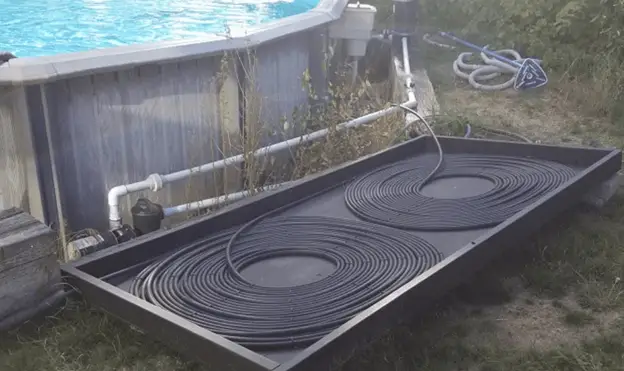
If the bubble wrap isn't cutting it, and you've got a roof to spare, consider the dedicated solar heater. These often consist of black mats or panels that live on your roof, looking a bit like giant, sunbathing serpents or perhaps a really ambitious modern art installation. Water from your pool is pumped up to these panels, heated by the sun's glorious rays, and then gently returned to your pool, a few degrees warmer.
The best part? Once installed, the energy is absolutely free. Yes, FREE! You're literally harnessing the power of a giant fusion reactor 93 million miles away. The downside? They only work when the sun is out, obviously. And sometimes your roof ends up looking like it’s hosting a secret scientific experiment. But who cares? You’ve got a warm pool, and you’re practically a superhero saving the planet, one sunbeam at a time!

Heat Pumps: The Fridge That Thinks It's a Heater (and Does a Darn Good Job)
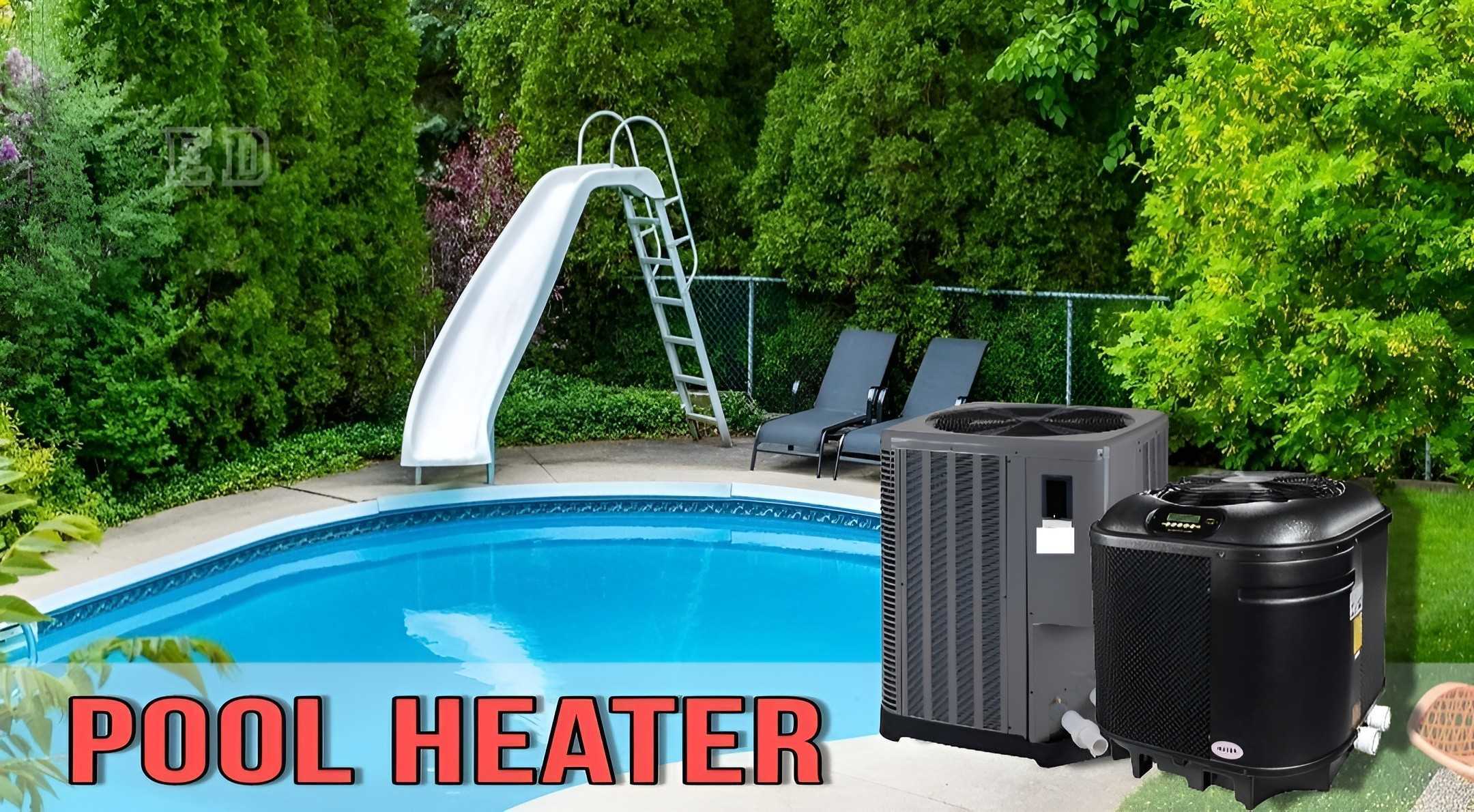
Now we're getting into the slightly more sophisticated, "how does that even work?" territory. Enter the heat pump. Think of it as a reverse air conditioner. Instead of blasting cold air, it's extracting heat from the ambient air around it, concentrating it, and then transferring it to your pool water. It's like a wizard, pulling warmth from thin air, and yes, it sounds like magic.
They use electricity, but they're incredibly efficient because they're not generating heat; they're just moving it. This means you get more heat output for less electricity input. They work best when the air temperature is above 50-60°F (10-15°C), so if you live in a perpetually chilly climate, it might struggle. But for extending your swim season without your wallet spontaneously combusting, the heat pump is an absolute superstar. It's the sensible, reliable friend in the pool heating party.
Gas Heaters: The Instant Gratification Machine (Your Wallet Might Wince)
For those of us with an "I want it hot, and I want it hot now!" mentality, there's the gas heater. Whether powered by natural gas or propane, these bad boys are the Ferrari of pool heating. Flick a switch, and within a few hours, your pool can go from "refreshing dip" to "luxurious bath." They don't care if it's cloudy, cold, or if the sun has decided to go on vacation; they just heat with brute force and undeniable speed.
The catch? That incredible speed and independence from weather comes at a price. A rather significant price, in fact. Running a gas heater is like inviting a very hungry, very thirsty dragon to live by your pool – it demands a lot of fuel. So, while it's perfect for those spontaneous weekend swims or getting a quick boost before a party, you might find your energy bill looking like a phone number you don’t recognize if you keep it running all season long. It’s the instant gratification that asks you to pay the piper.
The Wild Card: Desperate Measures and Questionable Life Choices
Now, I’ve heard whispers of people trying to heat their pools with garden hoses filled with black water, giant immersion heaters (please, for the love of all that is holy, do NOT try that at home), or even attempting to funnel geothermal vents from their backyard. While I applaud the ingenuity, let's stick to methods that won't land you in the emergency room or cause an international incident with your utility company.

Safety first, folks! Always consult a professional before installing any heating system. Unless, of course, your idea of heating involves convincing your neighbor with the naturally warm pool to "accidentally" spill some of their water into yours. (Again, probably not recommended.)
So, Which One for Your Liquid Paradise?
Ultimately, the best way to heat your swimming pool depends on your budget, your climate, and your patience levels. Do you want to wrestle a solar blanket for free warmth? Embrace rooftop serpents? Befriend a heat-extracting wizard? Or unleash the gas-powered dragon?
Whatever your choice, the goal is the same: to step into water that doesn't make you gasp louder than a broken vacuum cleaner. A warm pool means more fun, more memories, and significantly fewer goosebumps. So go forth, choose your weapon wisely, and transform your swimming hole into the inviting haven it was always meant to be!