
How To Get Your Gun Back From Police

Okay, let's be real. It’s an awkward moment, right? Your firearm, a tool you own responsibly, somehow ended up in police custody. Maybe it was a misunderstanding, an unfortunate circumstance, or a necessary legal step. Whatever the reason, you’re now wondering, “How do I get my baby back?” Don't sweat it. Navigating bureaucracy can feel like decoding ancient hieroglyphs, but with a little savvy and a dash of patience, you can absolutely sail through it. Think of this less like a legal battle and more like retrieving a lost item from a very official, very important lost-and-found. You've got this.
Step 1: The "Why" is Your GPS
Before you do anything else, you need to understand why your firearm was taken. Was it seized as evidence? Was it part of a protective order? Perhaps it was held for safekeeping during a legal incident, or maybe even found after being reported lost or stolen. Knowing the reason is paramount. It dictates the entire process. Without this crucial piece of information, you're essentially trying to find a specific book in a massive library without a call number. Don't be that person. Call the agency involved and politely ask for the incident report number and the reason for the seizure.
Step 2: Check Your Eligibility – Are You Cleared for Takeoff?
This is the big one. Before you embark on your retrieval mission, you need to ensure you're legally allowed to possess a firearm. Have there been any recent legal changes to your status? Are you subject to any court orders, such as a restraining order or a felony conviction, that prohibit gun ownership? Ignorance isn't bliss here, it's a roadblock. Doing a quick self-check can save you a lot of time and potential heartache. If there’s any doubt, a quick chat with an attorney is like having a co-pilot for your journey – invaluable.
Must Read
Step 3: Dialing Up the Right Department
Police departments aren't monolithic. They have divisions for everything from traffic to property. Your firearm will likely be held by the property and evidence division. This is your target. Once you have the incident report number from Step 1, contact this division directly. Don't call 911 or the general dispatch line; they won't be able to help you. Be prepared to provide your incident number, your full name, and possibly the serial number of the firearm. Remember, a little courtesy goes a long way when dealing with folks who handle mountains of paperwork daily.
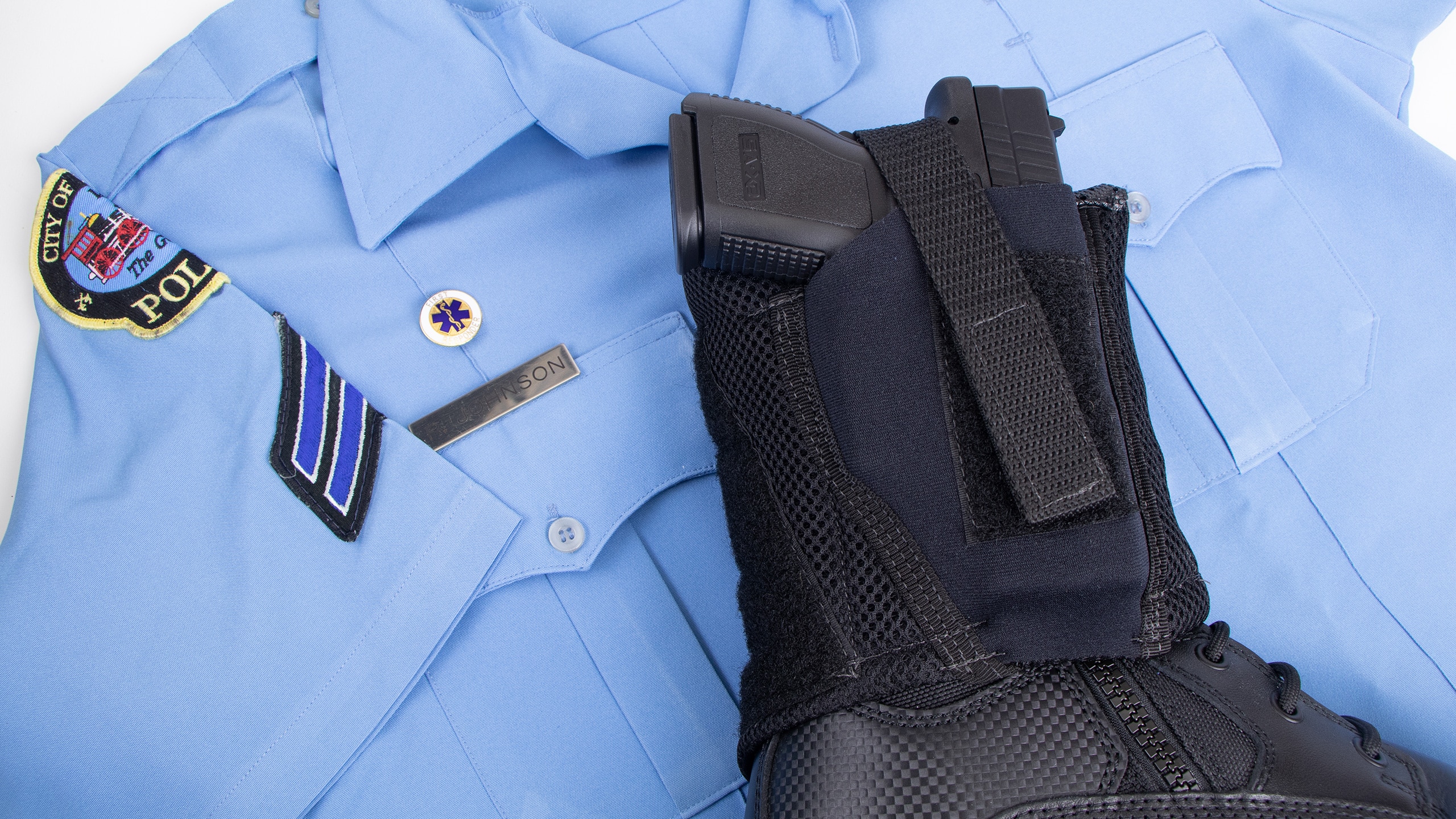
Step 4: Paperwork, Darling, Paperwork
Ah, the glorious world of forms! Once you've connected with the right department, they'll guide you on what documentation you'll need. Typically, this includes proof of ownership (like a purchase receipt, registration, or even a notarized statement), your government-issued ID, and potentially a copy of the incident report itself. Some agencies might also require a background check (yes, again!) or a court order for release. Think of it like applying for a passport – you need to prove who you are and that you’re cleared for travel. Gather everything meticulously. Missing just one document can send you back to square one.
Step 5: The Waiting Game (and How to Win It)
Bureaucracy, by its very nature, isn't always swift. Once you submit your paperwork, expect to wait. How long? It varies widely based on the reason for seizure, the agency's caseload, and local laws. It could be days, weeks, or even months. During this time, patience is your superpower. Follow up politely but persistently. A good rule of thumb? Call once every week or two, never more frequently. Keep a log of who you spoke with, when, and what was discussed. This isn't just for your sanity; it provides a paper trail if any issues arise.

When to Call in the Pros (and When Not To)
For straightforward cases (e.g., retrieval after safekeeping, or a minor incident where you were cleared), you can likely manage this yourself. However, if your firearm was seized as evidence in an ongoing investigation, if you're facing charges, or if there's any legal dispute about your eligibility, it's time to call an attorney specializing in firearms law. Trying to navigate complex legal waters without expert guidance is like trying to fix a leaky pipe with duct tape – it might seem okay for a bit, but it often leads to bigger problems down the line.
Pro Tips & Smart Moves
- Document Everything: Keep copies of all forms, emails, and notes from phone calls.
- Be Polite: A friendly demeanor can often open doors faster than an aggressive one.
- Know Your Rights: Familiarize yourself with local and state laws regarding firearm seizure and retrieval.
- Responsible Ownership: Once you get your firearm back, review your storage and transport habits to prevent future incidents.
Getting your firearm back from the police is a process, not a sprint. It requires understanding, documentation, and a healthy dose of patience. But armed with the right information, you can navigate the system with grace and efficacy. It’s a valuable life skill, really – learning how to interact with official systems, advocate for yourself, and understand the pathways to resolution. Just like understanding how to renew your driver’s license or dispute a utility bill, knowing how to handle this situation responsibly is part of being a well-informed citizen. Take a deep breath, follow the steps, and soon enough, you’ll be reunited.

